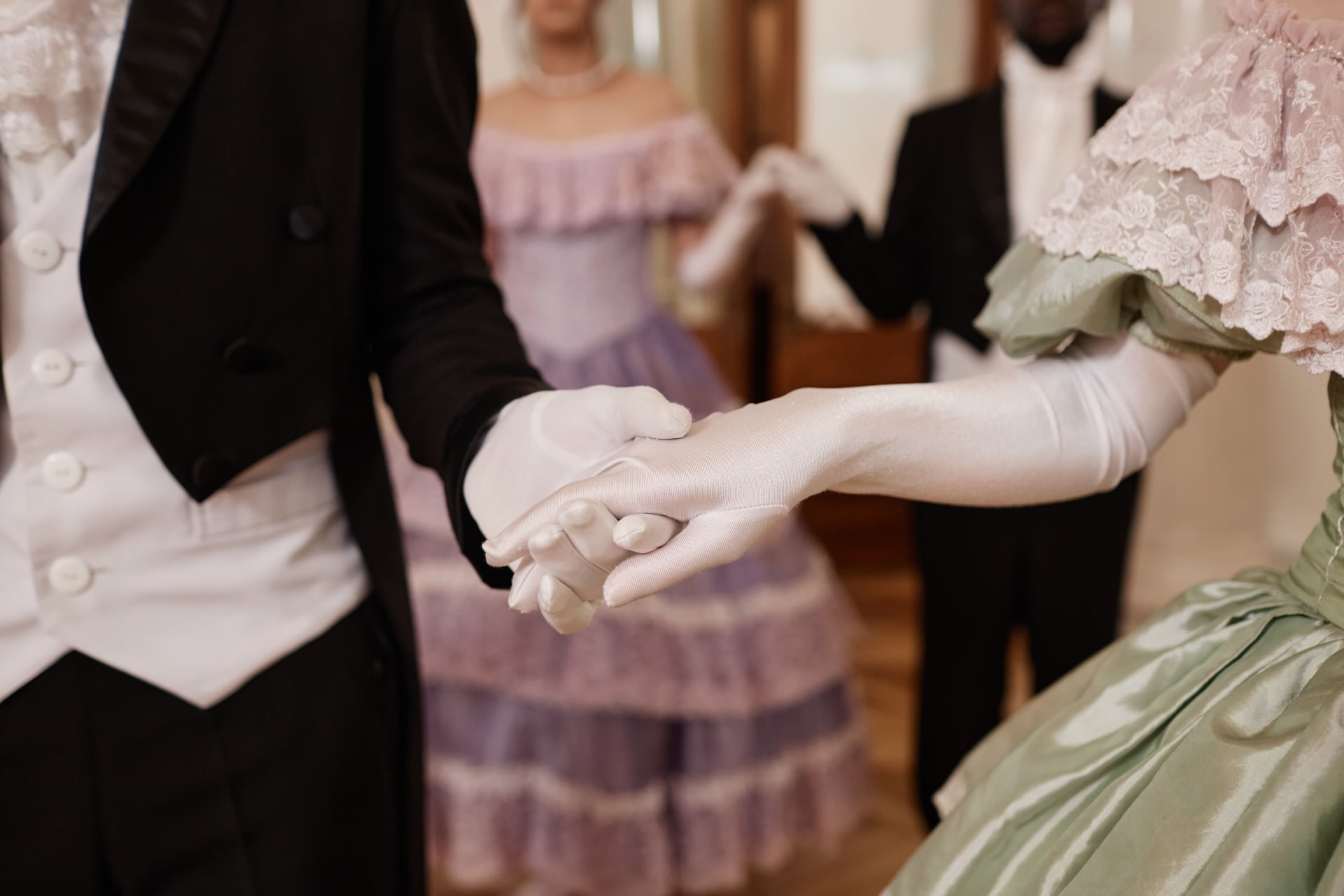
Ball season etiquette

Ball season etiquette

Do's & don'ts when waltzing - how to move safely on the dance floor

Everything waltz! The ultimate guide for an unforgettable ball season

Admission begins, the gowns rustle and the orchestra tunes the instruments. The ball season is magical - whether you have tickets for the SemperOperaball, are going to the press ball or are attending the local sports ball. But hand on heart: do you feel a slight tingling in your stomach alongside the anticipation? "Can I ask as a lady?", "What was the difference between a dinner jacket and a tailcoat again?" and "How do I avoid collisions on a crowded dance floor?". Don't worry, we'll get you ready for the big show. With this guide, you'll move through the evening as confidently as you move through three-four time.

The 5 rules of the road on the dance floor (etiquette 2.0)

Dancing at a ball is like driving a car at rush hour - only nicer. These rules apply to avoid crashes:

  1. Respect the dance direction: On the ball, the dance flow usually moves anti-clockwise. The outer lane is used for flowing steps, while the centre is suitable for small figures.
  2. Be aware of your surroundings: A quick glance forwards or to the side is often enough to avoid collisions. Being considerate of other couples makes a confident impression, especially towards less experienced dancers.
  3. Lead calmly and clearly: Leading does not mean pressure, but orientation. Clear, calm impulses provide security and allow both dancers to dance more relaxed - regardless of their level of experience.
  4. Show presence instead of perfection: An upright posture, relaxed shoulders and a friendly facial expression are often more elegant than complicated figures. If you stay in the moment, you will automatically dance more harmoniously.
  5. Stay calm if something doesn't work out: Small uncertainties are part of it - even at the ball. A quick restart or a smile helps more than putting yourself under pressure.
5 typical ball pitfalls & how to avoid them elegantly

5 typical ball pitfalls & how to avoid them elegantly

This compact guide will help you to react calmly in tricky ball situations - so you can enjoy the evening.

download now

Dress code alert: what do I wear?

Reading "black tie" or "white tie" on an invitation often triggers panic. Here's a cheat sheet to help you avoid appearing over- or underdressed:

Dress code for gentlemen at a dance ball

  • White tie (tailcoat): The royal class (e.g. opera ball). This includes a white bow tie.
  • Black tie (dinner jacket): The classic for festive balls. This includes a black bow tie (please do not wear a tie).
  • Dark suit: Sufficient for most modern balls and shooting parties.
  • Most important accessory: Shoes with leather soles - rubber soles slow you down when you turn and put strain on your knees.
Media

Dress code for ladies at a dance ball

Media

  • A floor-length evening dress is a must for large balls.
  • For more relaxed events, an elegant, knee-length cocktail dress is also fine.
  • Make sure you wear clothes with enough freedom of movement - if you feel comfortable, you will also radiate this when dancing.
  • Pro tip: Break in your shoes beforehand, because nothing kills the mood faster than blisters in the first hour.

Frequently asked questions about ballroom dancing & etiquette

  1. No, nobody expects technical perfection at a dance ball. Attitude, consideration and orientation on the dance floor are much more important. If you dance attentively and respect the space, you will automatically look confident even with simple steps. Practising beforehand, for example at a crash course for standard dances , helps of course.