In Berlin, nobody dances alone for long
On udansa, you can find dance partners for every dance style as well as daily updated dance courses and socials right here in Berlin.

On udansa, you can find dance partners for every dance style as well as daily updated dance courses and socials right here in Berlin.
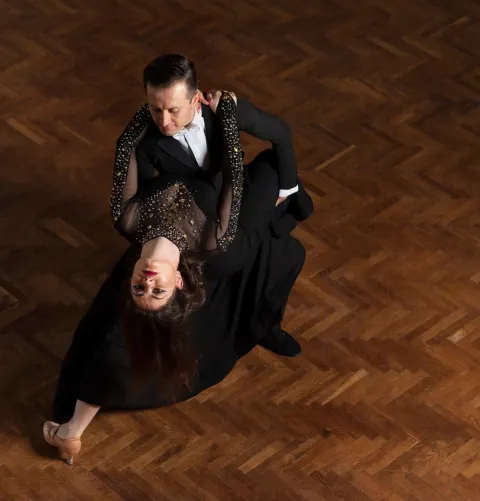
Berlin does not dance by a rigid rulebook, but connects centuries-old ballroom culture with vibrant open-air dance floors. Anyone who understands the codes of the Berlin dance world will find their way onto any dance floor, even without a partner and without prior experience.
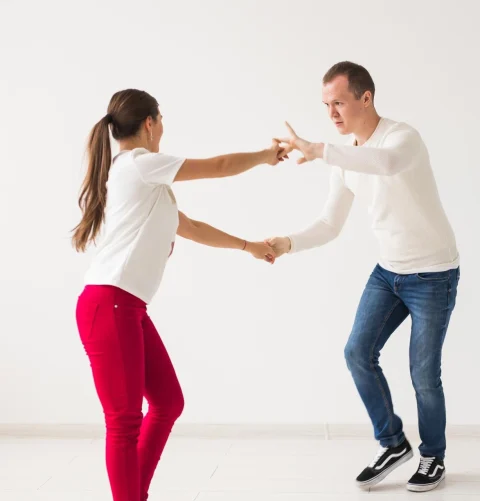
Social dance refers to social partner dancing at dance evenings and parties, where the focus is on the shared joy of music and movement, and dance partners usually change after every song. This form of dance does not require tournament-level skill and thrives on mutual improvisation.
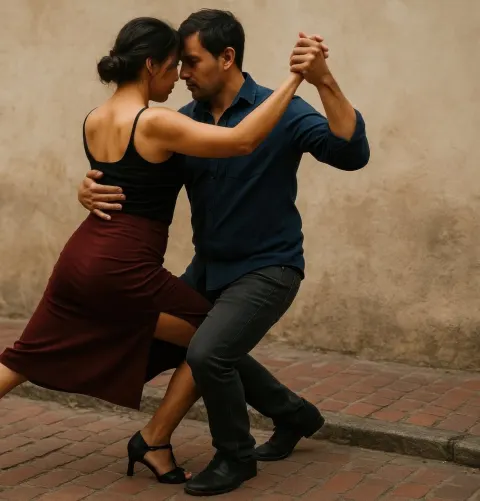
Anyone looking for opportunities for dancing in Berlin will encounter a scene that can hardly be reduced to a single genre. In Berlin, historic dance venues like Clärchens Ballhaus in Mitte or the Ballhaus Berlin on Chausseestraße exist on an equal footing with modern dance centers. The variety ranges from classic partner dances and lively swing and tango communities to contemporary training concepts. To get settled in the city, it helps to take a look at the different social dance cultures, where the focus is not on athletic perfection, but on trying things out together and social exchange.
For beginners, this means one thing above all: no one has to bring a fixed dance partner in advance or prove years of prior knowledge. Many workshops and evenings begin with an open introduction where the dancers rotate. If you are planning your own dance journey, you will find ideal opportunities to try out different rhythms without long-term commitment at venues like Ballhaus Berlin or open socials.

There is often a misconception that getting started in the Berlin dance world requires fixed dance partnerships or rigid club memberships. However, the local dance scene in Berlin is strongly characterized by open socials, changing roles, and inclusive formats. Whether it is Tango Argentino at Ballhaus Rixdorf or relaxed rounds at Volkspark Friedrichshain: dancers invite each other to dance, switch roles, and meet on equal terms.
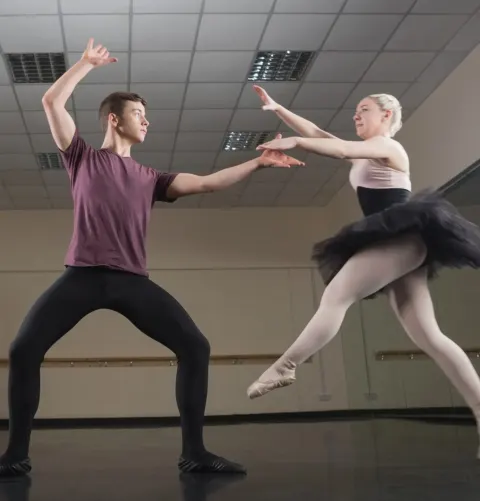
Another misconception concerns the focus on performance. While classic competitive dance in Berlin is certainly organized into tournaments and structured squads, the majority of social dancers are simply looking for relaxation, movement, and connection. Those who appreciate stage art can find inspiration in productions like the Staatsballett Berlin, but on the city's dance floors, it is all about your own experience. No one expects acrobatic figures: what is required is a sense of rhythm, mutual mindfulness, and the willingness to respond to your partner's leading impulses.
How to get started
Typical missteps
Find your start in ballroom, Tango, Salsa, or contemporary dance right on your doorstep.
Creative Dance for Kids (from age 3)Berlin
Kreativer KindertanzTuesday · 16:05 · Nov 17
Fröbel Familienzentrum Treptow
Creative Dance for Kids (from age 3)Berlin
Kreativer KindertanzThursday · 16:20 · Nov 19
Famox
Creative Dance for Kids (from age 3)Berlin
Kreativer KindertanzMonday · 15:35 · Nov 23
Famox
Social dance is not about a flawless performance, it is about listening honestly to each other as a couple and respecting the shared space on the dance floor.
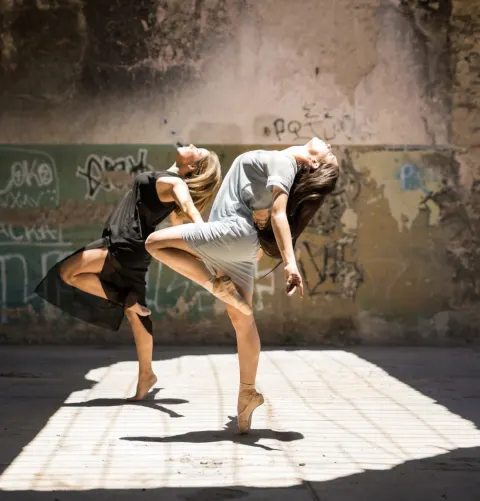
To filter the right format from the wealth of dance offers in Berlin, a structured approach is worthwhile. First, your personal preference decides: Are you looking for the organic flow of contemporary dance, as practiced at the Uferstudios in Wedding or at the Tanzfabrik Berlin, or are you drawn to the Latin American sounds of Salsa and Bachata? In summer, open-air spaces like the Strandbar in Monbijoupark also open up for dance enthusiasts.
When choosing a studio, pay attention to trial classes and the culture lived in the space. Good instructors teach the subtleties of dance floor etiquette from the very beginning: How do you move in the flow of couples on the outer lane, how do you charmingly handle bumps, and how do you communicate boundaries without embarrassment? Anyone who internalizes these basic rules will move confidently across any floor, regardless of whether the music is playing in a ballroom or under the open sky.
Dancing together without performance pressure
Here, the focus is on sociability, musical interpretation, and casual partner swapping. Perfection is secondary, every dance is a new encounter.
Focus on technique and measurable performance
Fixed sequences of steps, technical training, and clearly defined criteria determine the training. The goal is precise execution and often also competition in a club.
No, you do not need a fixed partner for most socials and beginner courses. In the courses, partners are rotated continuously, and at dance evenings, asking others to dance is standard.
Comfortable shoes with smooth leather soles or flat sneakers with little tread are ideal for starting out. Street shoes with highly adhesive rubber soles put unnecessary strain on your knees during turns.
Open trial classes before a dance party or beginner workshops on weekends offer the easiest entry. There, you will learn basic steps and immediately meet other dancers at a similar level.