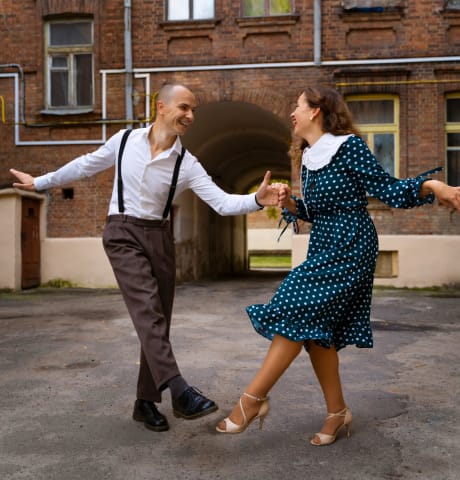
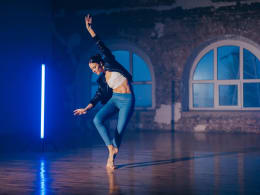
Lindy Hop dancing

Lindy Hop dancing

Where joie de vivre jumps to the beat

Pure joie de vivre

An energetic couple dance with roots in New York in the 1930s

Loose dance style

Swinging steps, quick turns and plenty of room for personal interpretation

Music to take off

Dancing to rousing swing & jazz - good humour guaranteed

Experience Lindy Hop

Lindy Hop originated in the Harlem scene of the 1930s and combines African and European dance influences. It is danced in a relaxed posture, alternates between open and closed positions and thrives on improvisation. Particularly appealing: everyone can take part, regardless of whether they have little or a lot of dance experience, young or old.

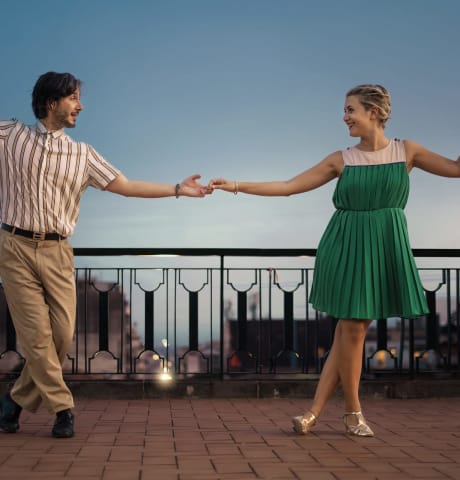
Find Lindy Hop dance classes in your area

Discover the best Lindy Hop dance classes in your area and get dancing.

What does Lindy Hop sound like?

The soundtrack is classic swing and big band jazz, often with a driving beat and a cheerful mood. Typical musicians include Count Basie, Duke Ellington and Benny Goodman. The music invites you to tap along, laugh and jump.

Experience Lindy Hop music

  1. --:--
  2. --:--
  3. --:--
Media

Lindy Hop dance steps

Bounce in the basic step, eight- and six-count figures, quick turns and rhythmic variations are typical. Dancers often alternate between open, closed and improvised positions. The dance level is very beginner-friendly, as technique and tempo can improve over time.

Lindy Hop is exactly your dance if you...

  • Love a vintage atmosphere and music from the 30s to 50s
  • are looking for a dance without rigid rules
  • Feel like improvising freely
  • Enjoy social dancing and open dance evenings
  • want to meet new people in a relaxed scene

FAQ on learning to dance Lindy Hop

Here you will find answers to the most important questions about learning to dance Lindy Hop.

  1. No, Lindy Hop is ideal for dance enthusiasts who have never danced swing before. The basic steps and the typical bounce can be learned in the very first lesson. Especially nice: The dance is very forgiving, as small deviations are part of its charm. Many dance schools start with beginner courses where step sequences, rhythm, and partner changes are practiced. This way, you can quickly join in at open dance evenings.