Get to know Rome through dance too
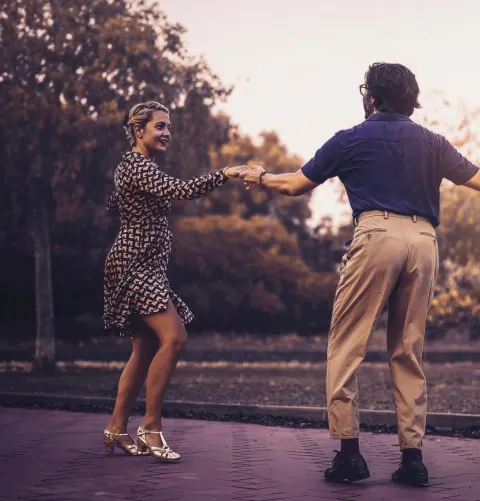
On udansa connect, you can find dance partners in Rome to learn and dance together. You can meet people who want to try the same dance style as you.

By Mary De LucaUpdated
On udansa connect, you can find dance partners in Rome to learn and dance together. You can meet people who want to try the same dance style as you.
If you live in Rome or have just arrived, dancing can become a regular part of your everyday life. You don't need to be pursuing a career on stage or already know which style suits you.
Social dance refers to dancing together to meet people and enjoy leisure time, without competition or staged performances. The term describes a setting, not a single dance style.
When you're getting started with dancing in Rome, one distinction can help: the style describes the movement vocabulary, while the class format describes how you learn. A technique class breaks down posture, weight shifts, and coordination. A choreography class combines movements into a set sequence. Improvisation uses tasks, such as changing direction or switching between short and extended movements.
In Salsa or Bachata, rhythm and communication between partners work together. Ballet uses named positions and controlled alignment. Hip Hop encompasses different movement techniques and musical accents. Contemporary dance can work with floorwork, gravity, and changing movement qualities. These descriptions explain the formats, not how common they are in Rome.
A style name alone doesn't tell you how a class is structured. Even when learning a sequence, you need technical foundations: Where is your weight, which foot is supporting you, when does the movement begin? The overview of common mistakes when copying dance movements explains these differences in more detail. When watching, arms and turns stand out, but in your body, it's often the subtle weight shift that determines whether the movement works.
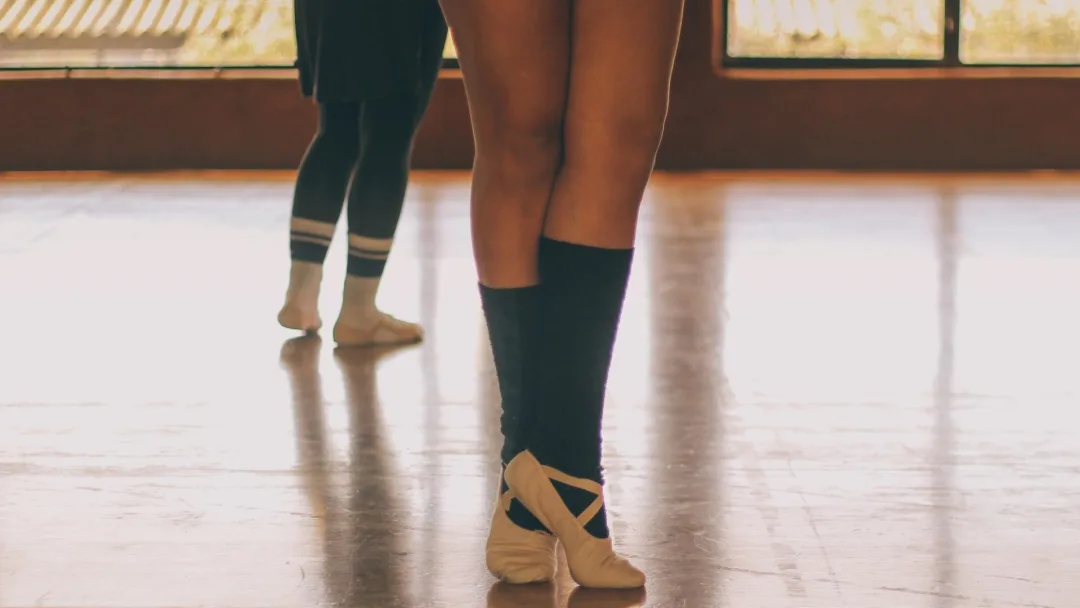
In a lesson, the teacher stops the music, explains and asks you to repeat. At a participatory dance event, by contrast, the music often keeps playing while the dancers decide for themselves how to move. So an event like this is not automatically a class, nor is it a test of what you have learned.
In partner dancing, communication comes from prepared movement cues and an attentive response to them. The leading partner suggests a direction or change; the following partner responds while maintaining their own balance. Both listen to the music and take the available space into account. Leading does not mean pulling or imposing your own idea of the steps. Age and gender do not determine the roles.
Social dancing can also take place without a partner connection: in a group, side by side or in an open improvisation. What matters then might be a shared pulse or a movement prompt. A rehearsed group dance also fits the bill. In the Shim Sham in the Lindy Hop version, a set sequence brings the participants together without requiring them to lead one another. So when finding your way around Rome, the key question is the format: lessons, an open dance floor and a group choreography offer different ways to participate.
This is how it works
That's not how it works
On udansa, you can find classes in Rome where you can explore partner dancing, ballet or improvisation in practice.
A dance style tells you something about the movement, while the event format tells you something about your role in the room.
Dance is also part of what you experience from the audience. Teatro Costanzi opened in 1880. Throughout its history, it hosted the Ballets Russes, and Rudolf Nureyev also performed there. These names represent artistic developments and encounters, not a promise of a current programme.
The Baths of Caracalla offer another connection between dance and urban space. The Rome Opera used the site for its summer season starting in 1937. From June 26 to July 5, 2026, Caracalla Danza took place there, featuring dance tours and stage performances, among other events. The historic setting became more than a backdrop: it became part of how movement in space was experienced.
Founded in 1986, the Romaeuropa Festival brought contemporary dance together with performance, theatre, music and film. For you as a spectator, this means dance does not have to tell a story with clearly named characters. Repetition, proximity, distance or changes in pace can structure a scene. Ballet and contemporary dance are not a ranking from accessible to difficult. You can appreciate both by observing what actually happens on stage. This overview explains the different approaches, it does not replace a current programme.
Experience through rhythm, space, and connection
When you dance, you feel how balance, weight, and music work together. A small movement can feel challenging, even if it looks unremarkable from the outside. This body awareness grows even without the goal of performing.
Experience through attention and interpretation
From the outside, you can recognize formations, repetitions, and relationships between the dancers. You can follow how a scene builds tension or changes. You don't need dance lessons or knowledge of technical terms.
Yes, you can start ballet as an adult without aiming for a professional career. You’ll begin with controlled weight shifts, posture, and simple movements at the barre. You don’t need to master pointe work, and your joints should never be forced into a turned-out position.
No, many forms of dance work without a regular partner. In ballet, Hip Hop, or improvisational movement exercises, you’ll initially work with your own body. Partner dancing adds coordination with another person, but dancing together doesn’t require any particular combination of ages or genders.
No, contemporary dance isn’t the same as ballet, but it can incorporate elements of it. Ballet uses a more defined movement vocabulary. Contemporary dance can combine different techniques, floor work, and everyday gestures. What matters is the artistic approach in each case, not one set sequence of steps.
Yes, you can experience a dance performance without any prior knowledge and develop your own interpretations. Pay attention to spacing, recurring movements, tempo, and the relationship to the music. Not every piece tells a story; some work with images, physical states, or forms of movement without offering a clear-cut translation.