In Dresden, nobody dances alone
Create your profile, meet other dance enthusiasts for every style, and find the dance course that fits your schedule.

Create your profile, meet other dance enthusiasts for every style, and find the dance course that fits your schedule.
Between world-famous dance history and vibrant dance floors, Dresden connects a multifaceted scene. If you know the right dance locations and formats, you will quickly find the right way to get started.
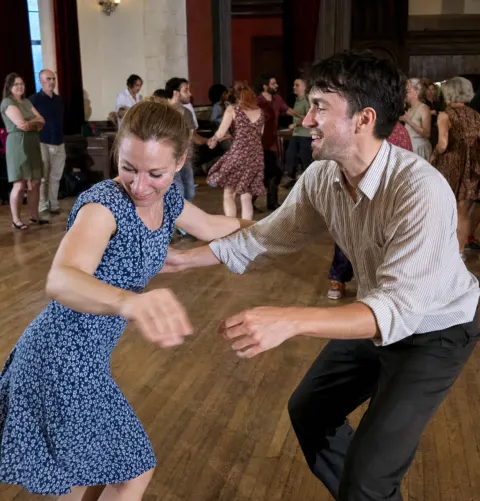
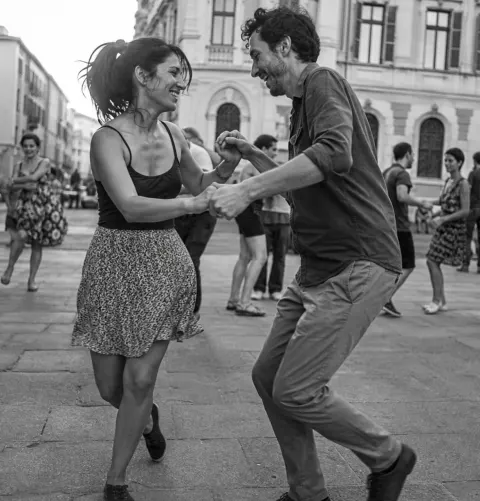
Social dance refers to social dance events where dancing together, spontaneous improvisation, and social interaction are the main focus. Fixed choreographies or judges play no role here.
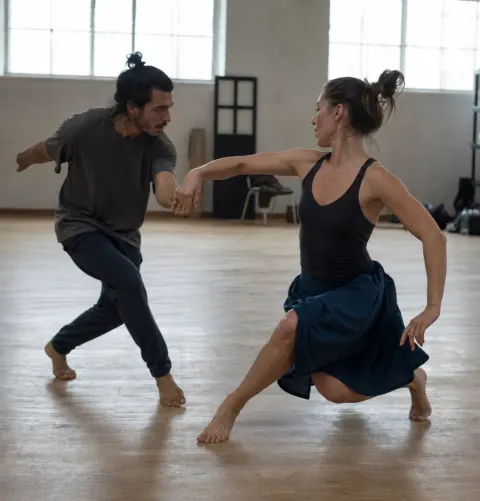
Anyone dancing in Dresden quickly feels the interplay between traditional stage art and active leisure culture. The city combines a moving history of expressive dance with lively meeting points for partner dance, swing, and contemporary forms. Whether you are a beginner in ballroom dancing, curious about Argentine Tango, or advanced in ballet: there are suitable offers for almost every interest. To choose the right dance school or open dance evenings, it is worth taking a look at the focus of the studios, the qualifications of the instructors, and the methodical structure of the course units.
For your first steps, it is recommended to take advantage of non-binding trial lessons. This way, you can check in advance whether the teaching style matches your personal learning goals. Those interested in historical roots will discover the traces of Mary Wigman and Gret Palucca, which still have an impact today, through Modern Dance in Dresden. Leisure groups, dance circles, and socials subsequently offer the space to deepen what you have learned without performance pressure and to dance regularly in a relaxed atmosphere.
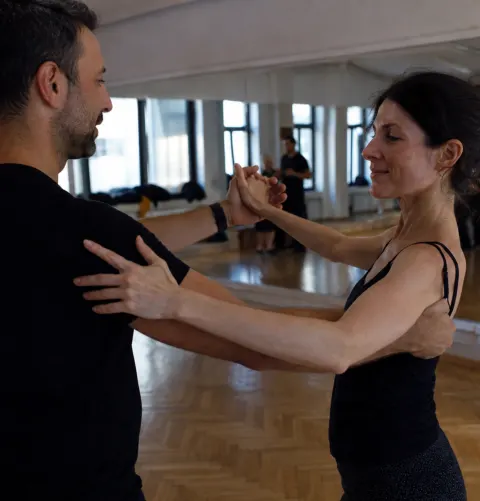
A successful start to dancing depends primarily on realistically assessing your own goals. Those looking for relaxation and social interaction often feel at home more quickly with social dances like Salsa, Bachata, or Lindy Hop than in fixed choreography classes. For couples who want to prepare for social events or the classic Waltz, ballroom and Latin courses offer a clear framework of posture, rhythm, and set figure sequences.
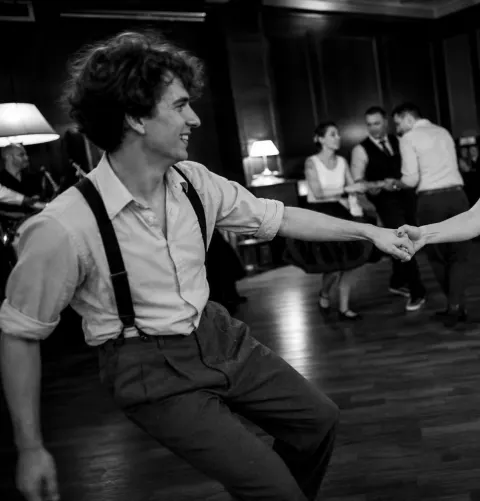
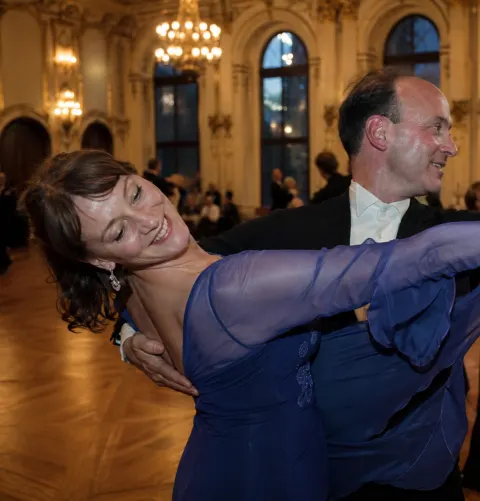
At the same time, the city hosts special highlights where dancers of different styles come together. At the well-known Dixieland Festival Dresden, for example, swing with Lindy Hop is the focus of the action, while elegant ball traditions remain alive in the historic Ballhaus Watzke. Important for choosing a course: before registering, ask about group sizes, the rotation of dance partners during class, and any make-up sessions in case of absences, so that the training fits flexibly into your everyday life.
Getting started the right way
Common mistakes
Find the right course near you and learn new dance steps.
You don't learn to dance through perfection in your head, but through brave experimentation on the dance floor. Every misstep is just one more step on the way to routine.
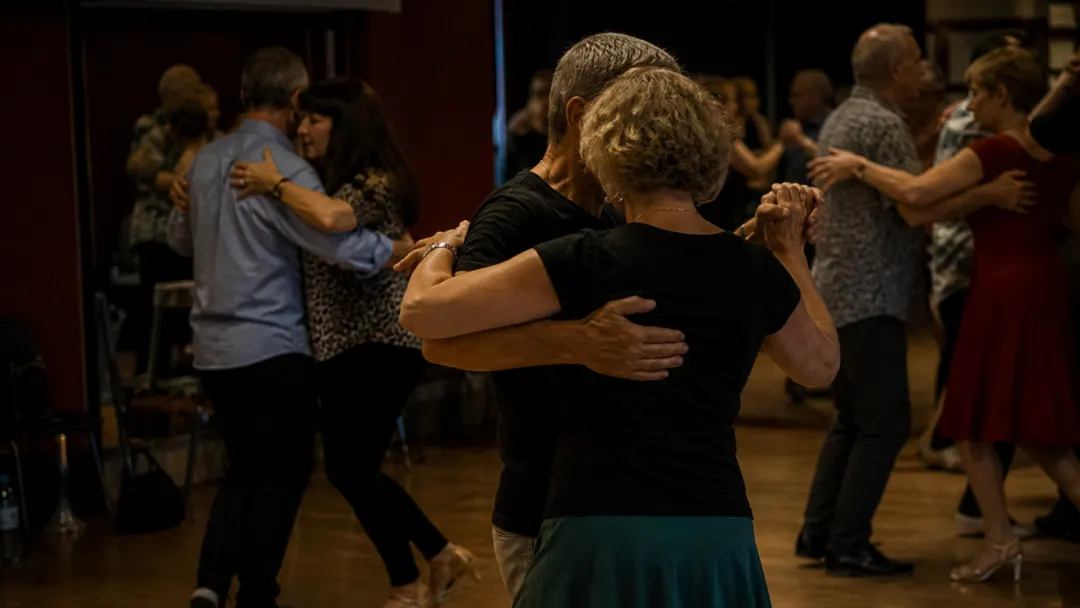
A common obstacle before the first dance class is the worry that you cannot attend a course without a fixed companion. In most studios for partner dance, however, individual registration is possible without any problems, as partners are regularly rotated during the course. This partner rotation promotes a sense for clear leading and subtle following, because you adapt more quickly to different dance postures.
If you are still looking specifically for a fixed dance partner for a certain dance style, for dance circles, or for regular socials, use platforms like udansa to find like-minded people with a similar level of experience and suitable training times. Open dance meetups, such as milongas or swing dance teas, are also ideal for making contacts. With a little curiosity, comfortable shoes with a smooth sole, and joy in movement, connecting with the dance community will succeed effortlessly.
Targeted development of technique and figures
Structured sequences of steps, fixed dates, and a clear didactic progression help to internalize solid foundations and proper dance posture from the ground up.
Practice and casual movement
Free dancing at parties, milongas, or tea dances trains improvisation, musical ear, and adaptability to different dance partners.
No, in almost all dance schools, individual registration is possible without any problems. In class, partners are usually rotated regularly, so everyone gets to dance. If you are still looking for a fixed dance partner, you can easily find like-minded people via udansa.
For your first dance lessons, comfortable shoes with clean, preferably smooth soles made of leather or synthetic material are sufficient. Street shoes with a heavy rubber tread stop too abruptly on parquet floors and can strain your knee joints during turns. Proper dance shoes with chrome leather soles are only worth it once you train regularly.
Look for transparent course structures, well-trained dance instructors, and a manageable group size. A non-binding trial lesson will quickly show you whether the teaching pace and the atmosphere in the studio suit you. Fair policies for missed classes are also a good sign of quality.