Kizomba guide5 minutes

Learn to dance Kizomba: The guide for partner dance

In a nutshell
  • Kizomba is an Angolan partner dance, characterized by a close body connection and fluid, grounded movements.
  • Kizomba music is based on a distinct, calm beat that reminds one of a heartbeat and determines the tempo of the dance.
  • When learning, it is primarily about a sensitive weight transfer and the blind trust between leader and follower.
  • Through specialized platforms like udansa, you can easily find suitable dance partners and courses in your area.

Kizomba is taking dance floors by storm worldwide. This partner dance combines deep rhythms with an incomparably close connection between the dancers and lets you completely forget about everyday life.

Definition
Kizomba

Kizomba is a partner dance and music style from Angola, which is characterized by its close dance posture and its rhythmic, circular hip movements. The term originates from the Kimbundu language and translates to party or social gathering.

A dance that gets under your skin

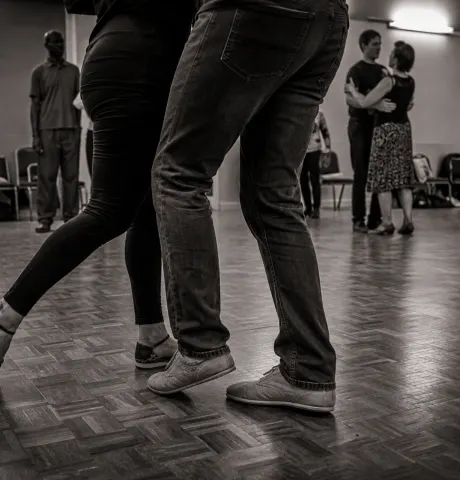
Kizomba is much more than just a dance, it is a deep feeling of connection. Originating in the late 1970s and early 1980s in Angola, this partner dance blends traditional African rhythms like Semba with soft, modern influences from Zouk. Anyone who wants to dance Kizomba quickly learns that it is not about spectacular lifts or fast turns. The magic lies in the dense, almost silent communication between the dancers. The movement is fluid, grounded, and is largely controlled from the hips and the upper body.

The unmistakable Kizomba music forms the foundation for this experience. With its distinctive, warm, and often melancholic beat, which strongly reminds one of a calm heartbeat, it captivates dancers worldwide. If you are new to the scene and want to get to know Kizomba Berlin or other local communities, you will quickly notice how warm and open this community is. On the dance floors, the so-called socials, it is primarily about feeling the music together and less about the flawless performance of a rehearsed choreography.

The fine art of non-verbal communication

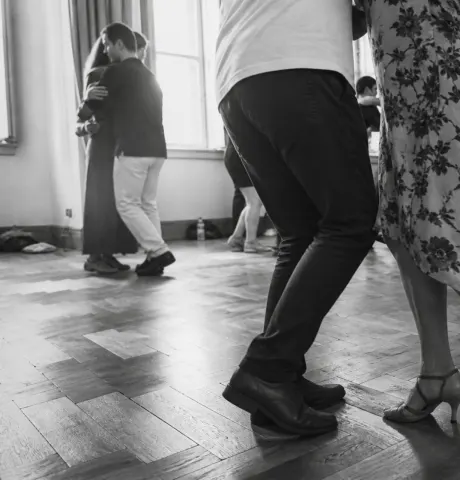
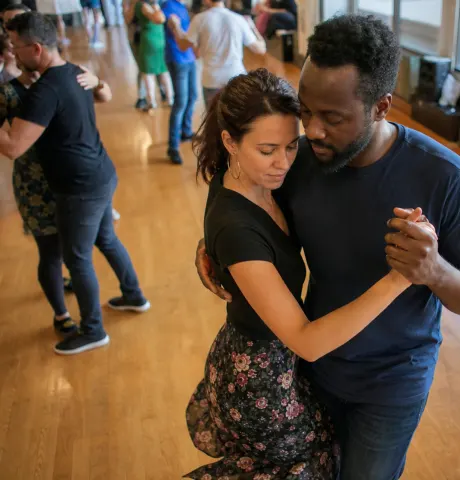
To learn Kizomba, you first have to say goodbye to some classic ideas of European ballroom dancing. Many beginners make the mistake of building up too much tension in the upper body or obsessively counting the steps. Instead, the basics of Kizomba are based on a soft, yet clear weight transfer. The upper body remains in gentle, constant contact with your partner, while the legs follow the leader's steps. It is a constant game of action and reaction that requires absolute attention in the here and now.

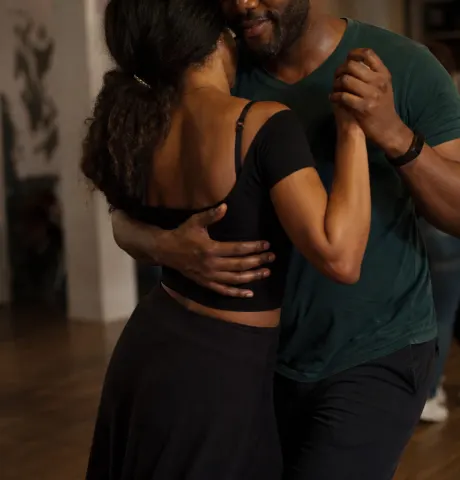
A typical misunderstanding is also that Kizomba is purely erotic in nature due to the close posture. In reality, the close embrace, called "Abraço" in Portuguese, is an expression of deep respect, trust, and dance precision. Without this close contact, the subtle, almost invisible leading would not be possible at all. Those who master the basics experience a whole new dimension of leading and following, which is characterized by lightness and blind understanding.

The most important do's and don'ts in Kizomba

Correct

  • Upright, yet relaxed upper body contact
  • Shift your weight consciously onto the entire foot
  • Give your partner your complete trust
  • Fully immerse yourself in the beat of the music

Wrong

  • Tense arms and applying too much pressure
  • Dancing on your tiptoes and hopping
  • Trying to anticipate the leader's steps
  • Taking frantic and overly large steps
udansa tip

Feel free to close your eyes while practicing the basic steps. Without visual distractions, you will feel your partner's weight shift much more intensely and train your dance intuition.

Kizomba is like a conversation without words. If you stop thinking and start feeling, you will immediately understand the language of this dance.

Kizomba dance instructor, Berlin

From dance class straight to the scene's socials

As soon as you have internalized the first steps, you are automatically drawn to the dance floor. The modern Kizomba scene offers countless opportunities worldwide to try out what you have learned at socials. At these relaxed dance parties, free and uncomplicated dancing is the focus. No one will judge you for a wrong step, because everyone started small once. It is the perfect place to develop a feel for different dance partners and their individual leading styles.

If you are still looking for the right companion in your city, a specialized Kizomba platform like udansa can help you. Here you can search specifically for dance partners who share your level and want to take the next step with you. Whether you are exploring the scene for Kizomba in Munich in Bavaria or simply looking for like-minded people in your region: Getting started is easier than ever before thanks to digital networking. Dare to step onto the dance floor and experience how music turns into pure movement.

Two roles in perfect harmony

Leading

Showing the way

Responsibility and clear impulses

The leader sets the direction and initiates every weight shift gently through the upper body. They take responsibility for the path on the dance floor and ensure that the partner feels completely safe.

Following

Trusting the impulse

Surrender and fine sensitivity

The follower reacts sensitively to the partner's impulses and temporarily lets go of their own balance. This requires a high level of trust and the ability to fully engage with the moment.

Frequently Asked Questions

  1. You do not need any prior knowledge to get started. A good sense of rhythm is helpful, but you will learn the basic steps and weight transfer step by step in the beginner course.

Kizomba courses in your area

Find the right course now and learn Kizomba from scratch.

View all matching courses
udansa community

Find your Kizomba rhythm together

Whether you are just starting out or already looking for complex step sequences: on udansa you will find like-minded people who share your passion, as well as the best courses right in your area.

Find your Kizomba rhythm together