Dance Kizomba

When proximity becomes language

Roots & warmth

Kizomba combines African rhythms with modern, urban musicality

Flowing movement

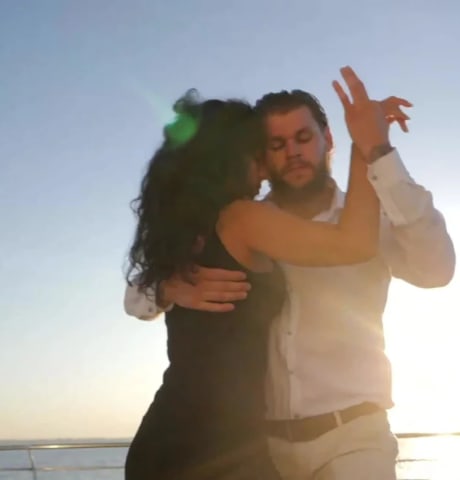
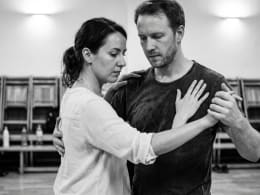
It is characterised by a tight dance posture, gentle body movement and an almost floating flow of movement

Urban & up-to-date

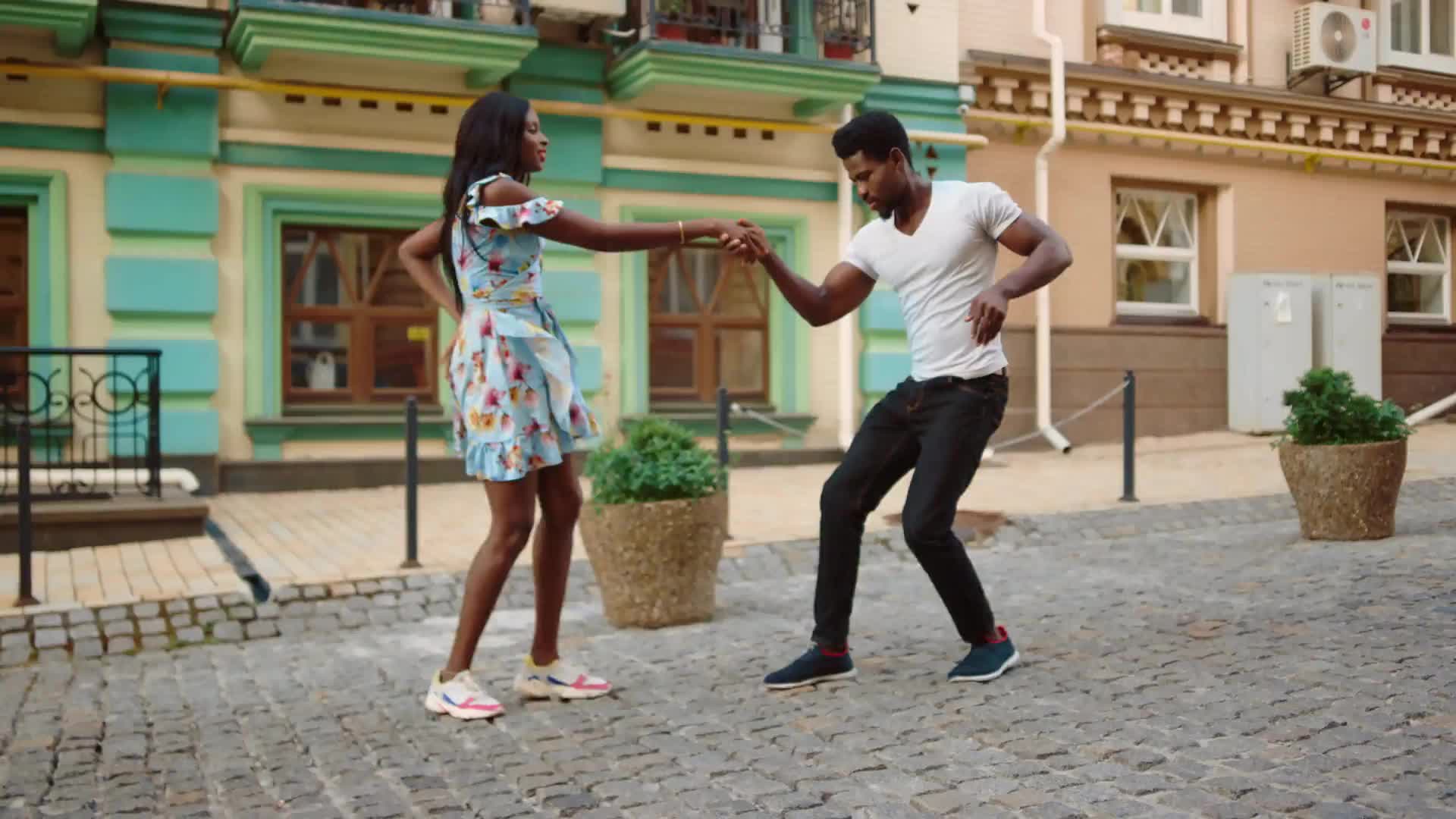
Just as much at home in the club scene as at socials - modern, emotional, sophisticated dancing and absolutely on trend.

Experience Kizomba

Kizomba means "celebration" or "coming together" - and that's exactly what it is: a dance that celebrates closeness, trust and connection. Originating in Angola in the 1980s, Kizomba has spread throughout Europe via Portugal. Today it is part of an international scene that combines music, body and emotion. Those who dance Kizomba do not lead with their hands, but with their hearts.

Find Kizomba dance classes in your area

Discover the best kizomba dance classes in your area and get dancing

What does Kizomba sound like?

The music is characterised by soft beats, slow rhythms and soulful vocals - often in Portuguese or Creole. Typical instruments are electronic drums, synthesizers and basslines. The songs are intimate, calm and hypnotic at the same time. Modern DJs such as DJ Snakes, DJ Zay'x or Elji Beatzkilla set the tone - perfect for dance evenings and festivals.

Experience Kizomba music

  1. --:--
  2. --:--
  3. --:--
Media

Kizomba dance steps

Kizomba is danced in a close dance posture, the couple moves in flowing steps as if in unison. Body isolation and connection, smooth changes of direction, unemphasised, natural steps and a barely visible but precise lead are typical. The dance level: well suited for dance enthusiasts with little or no previous experience, but a feeling for closeness and musicality. At the same time, Kizomba is also exciting for couples with dance experience, as this trendy dance is all about non-verbal communication.

Kizomba is just right for you if you...

  • like to dance close and connected
  • Not only hear music, but feel it
  • Appreciate physical contact as part of the dance
  • are interested in modern, urban dance culture
  • Are interested in socials, dance trips and festival community
  • Love Bachata, but are looking for even more depth

FAQ on learning to dance Kizomba

Here you will find answers to the most important questions about learning to dance Kizomba.

  1. The basic steps are simple, you will understand them in a few minutes. What is challenging is not the technique, but the feeling for connection, musicality, and leading. If you are open to closeness and attention, you will quickly find a flow in Kizomba.