Dance scene4 minutes

Dancing in Munich: The comprehensive guide for your start

By Mary De LucaUpdated

In short
  • Dancing in Munich covers a wide spectrum, from Bavarian folk dance to global partner dances like Salsa, Tango, or ballroom.
  • Open dance evenings like the Kocherlball or dancing in the park often allow you to join in even without a fixed dance partner.
  • Courses from municipal folk culture organizations as well as independent dance schools offer structured entry points for every experience level.
  • Finding the right course works best using clear criteria like dance style, course format, and learning pace.

From traditional folk dance to summery rhythms in the park, the Bavarian dance world offers space for every step. This guide shows you what matters when choosing your dance path.

DefinitionZwiefacher

Zwiefacher is a traditional Bavarian folk dance with a rhythm that changes time signatures. It is characterized by the abrupt switch between waltz steps in three-four time and turning steps in two-four time.

Diversity of the dance scene between tradition and modernity

Anyone looking for opportunities to dance in Munich will encounter a diverse spectrum, ranging from traditional folk dances to modern social dances. The Munich dance scene is characterized by its close connection between lived tradition and vibrant leisure culture. In addition to permanent studios and schools, open dance evenings and balls play a central role throughout the year. Among the defining events is the traditional Kocherlball in Munich, where people dance in the open air early in the morning, as well as seasonal festivals and city-wide offerings.

To find the right dance activities in Munich for your own interests, it is worth taking a structured look at the spectrum. Beginners can find their place in ballroom dancing, Salsa, or Swing, just as lovers of stage dance can at festivals like the Tanzwerkstatt Europa. Munich's dance culture invites you to get to know different styles and to start dancing in a relaxed way.

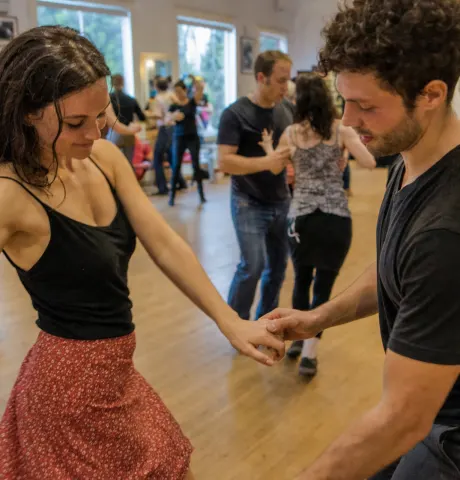
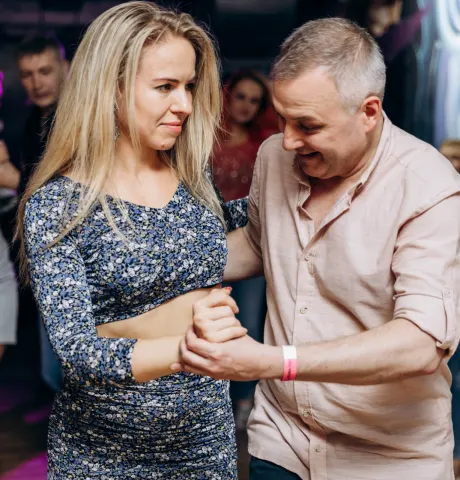
Open dance floors and shared steps connect beginners and advanced dancers alike.

Understanding local dance culture and open offerings

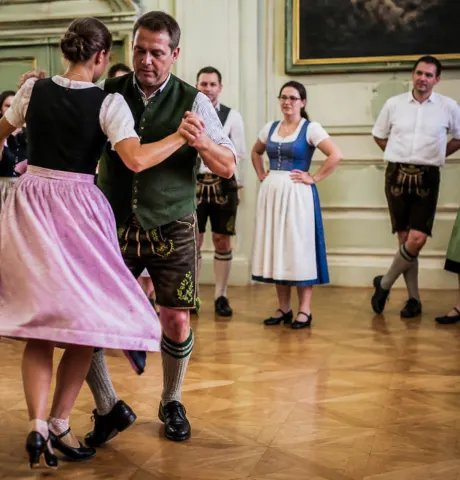
A special feature of dancing in Munich is the rich heritage of Bavarian folk dance. Figures like those in the Zwiefacher require concentration with the switch between turning steps in 2/4 time and waltz steps in 3/4 time, while social dances like the Munich Française foster community with their row formations. These dances are by no means museum pieces, but are actively celebrated: from the city foundation festival to the traditional Kathreintanz in Munich at the Hofbräuhaus, and even the Tradition marquee at the Oide Wiesn.

If you are looking for a suitable dance offer, you should clarify in advance whether a fixed dance partner is required. Many open events and trial formats, such as those offered by municipal folk culture or the Tanzen im Park formats in Westpark and Ostpark, are deliberately designed so that individual dancers are integrated directly on site. For standardized partner dance courses, however, it is recommended to coordinate on the learning pace and dance goals in advance.

Tips for getting started with dance

How to get started successfully

  • Wear shoes with clean, smooth soles that allow for easy turning
  • Honestly assess your learning pace in advance
  • Take advantage of open trial offers to get to know the dance
  • Pay attention to the dance direction and spacing on the floor

Typical mistakes

  • Showing up in shoes with high-grip soles
  • Taking too many dance styles at the same time at the beginning
  • Going straight into advanced classes without any prior knowledge
  • Pushing recklessly across crowded dance floors

Dancing works best when you clear your head and fully embrace the shared rhythm.

Dance instructor for partner dance

Choosing the right dance style and the right environment

For lasting enjoyment of the dance opportunities in Munich, choosing the right form of dance is crucial. While classic partner dance like Ballroom and Latin trains clear posture and structured footwork, social dances like Salsa, Bachata, or Argentine Tango offer room for spontaneous improvisation at dance evenings. When Munich dances, it doesn't just happen in a studio: in summer, for example, the Renaissance pavilion of the Dianatempel in the Hofgarten serves as a meeting point for partner dancers under the open sky.

When choosing a course or workshop, look for transparent skill levels and a balanced group size. Qualified instructors explain not only the footwork but also the principles of leading, rhythm, and consideration on the dance floor. Through udansa, you can specifically search for suitable partners to shape the perfect entry into the Munich dance scene together.

Two paths to dance practice

Course

Fixed dance course

Structured introduction

Fixed courses offer a clear progression and a stable learning environment. Here, you learn basic techniques systematically, step by step.

Social

Open Dance Evening

Free practice

Open dance evenings offer space for free practice without the pressure to perform. You get to know different dance partners and train your spontaneous adaptability.

Frequently Asked Questions

  1. No, a fixed dance partner is not strictly necessary for many offers. Numerous formats such as folk dance evenings, open trial classes, or courses with regular partner rotation are explicitly aimed at individual dancers as well.

Dance courses in Munich

Compare current offers and start your next course in Munich.

Find your dance partner in Munich

On udansa you can find dance partners for courses or socials, as well as dance offers in your area. Sign up for free and make plans to dance.

Find your dance partner in Munich