Bavarian dance cultureGo dancing in Munich

Kocherlball in Munich: Bavarian dancing at the Chinese Tower

5 minutes
In a nutshell
  • The Kocherlball takes place once a year on a Sunday in July, early in the morning at the Chinese Tower in the English Garden in Munich.
  • Dances performed include Ländler, Zwiefacher, Polka, Waltz, and the Munich Française, with all dances demonstrated and guided on stage.
  • Admission is free, no prior knowledge is required, and participation is possible for everyone without registration.
  • Sturdy shoes with smooth, robust soles are particularly important due to the gravel floor in the beer garden.

When twilight fades in the English Garden and brass music drifts through the chestnut trees, a dance festival with its own unique rhythm begins in Munich. The Kocherlball brings thousands together before breakfast.

DefinitionKocherlball

The Kocherlball is a traditional folk dance event at the Chinese Tower in Munich, which takes place annually at dawn on a Sunday in July under the open sky. The name commemorates the servants and cooks of the 19th century, who met to dance before starting their workday.

From servants' dance party to Munich cultural heritage

The Kocherlball in Munich transforms the beer garden around the Chinese Tower in the English Garden into one of the liveliest dance floors in the city. Where excursionists usually linger, thousands gather every year on a Sunday in July to celebrate traditional Bavarian round dances and figure dances. What makes it special is the early hour: the brass music starts at the crack of dawn. Admission to this open-air festival is free, and dancing takes place right between the wooden benches and chestnut trees on the gravel ground.

The historical roots of the ball go back a long way. Around 1880, Munich's domestic staff, including cooks, housemaids, coachmen, and gardeners, used the early Sunday morning for their own dance entertainment. They had to dance before their masters woke up and their duties began. In 1904, the authorities banned the morning gatherings for reasons of morality. It was not until the 200th anniversary of the English Garden in 1989 that the dance festival was revived. Since then, the tradition has become firmly anchored in the Munich summer and attracts experienced dancers as well as curious beginners.
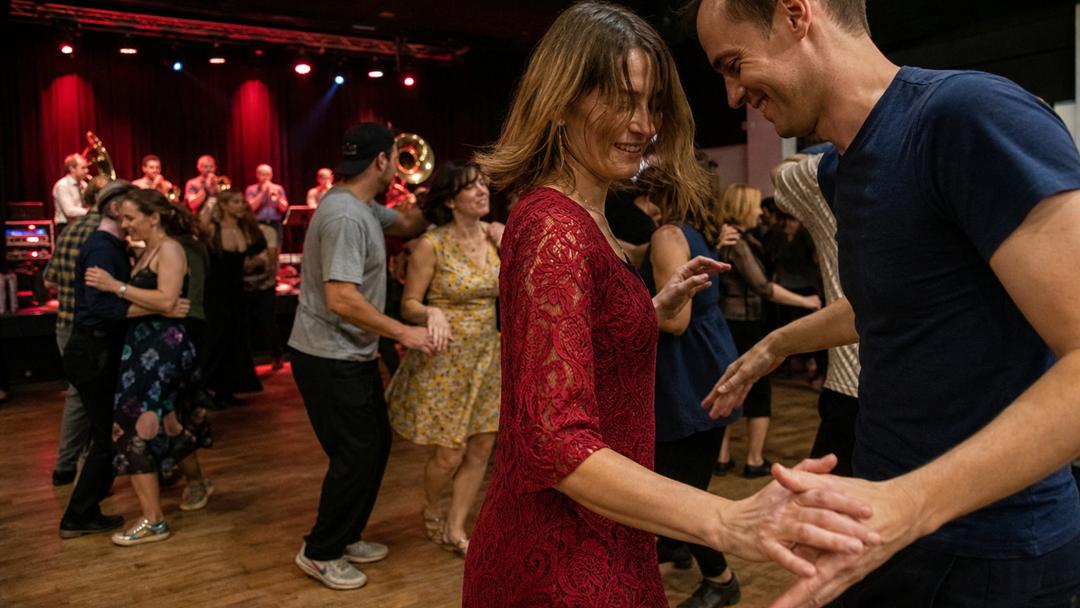
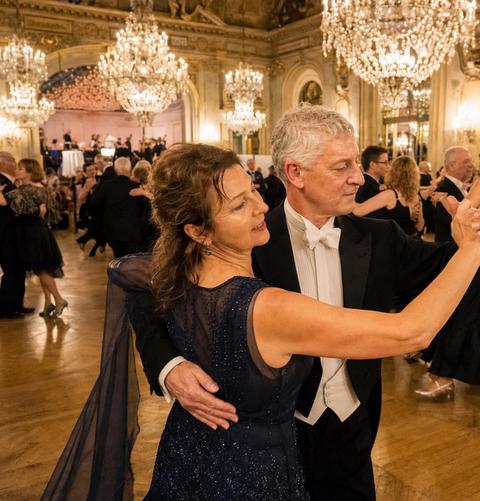
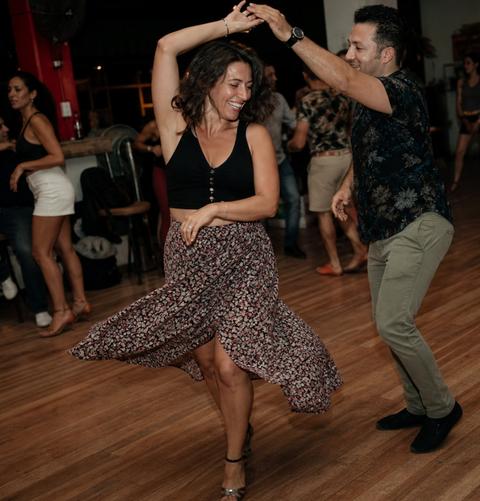
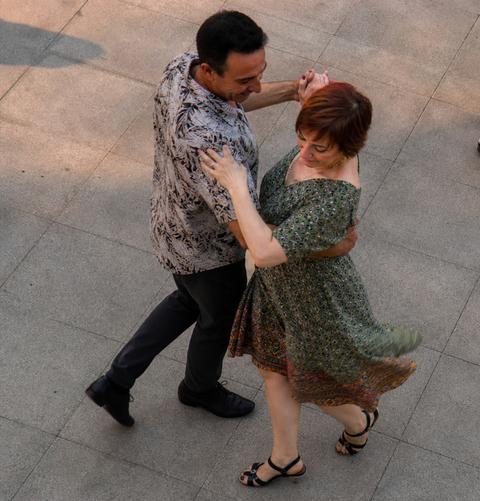
At the Chinese Tower, hundreds of dance couples share the gravel paths between the beer benches at the same time.

Which dances shape the events at the Chinese Tower

Musically and in terms of dance, five classic dance forms define the events at the Chinese Tower: Polka, Waltz, Ländler, the demanding Zwiefache, and the Munich Française. With the Polka and the Waltz, couples move in a lively rhythm in a circle along the gravel paths, while Ländler emphasize calmer turns. The Zwiefache requires a fine ear for changing beats, but brings special joy to the dance floor precisely because of its rhythmic unpredictability.

For beginners, participating is kept incredibly simple. On the stage at the tower, all round dances and figure sequences are announced in advance and demonstrated slowly by lead dancers. No one needs to have practiced for years to join the circle. The atmosphere is deliberately open and helpful. If you miss the basic step, you laugh together with your partner and jump back in on the next beat. This ease clearly distinguishes the festival from formal gala evenings and constitutes the true appeal of the event.

Preparing for the Kocherlball at the Chinese Tower

How to succeed

  • Wear sturdy shoes with abrasion-resistant, smooth soles for the gravel surface
  • Arrive before the music starts and make use of the lead dancers' announcements
  • Be open to approaching other dancers and asking new dance partners to dance
  • Coordinate the figures of the Munich Française together in the row

Typical mistakes

  • Wearing delicate dance shoes with thin chrome leather soles
  • Arriving late in the morning when the first dances are already over
  • Staying on the sidelines for fear of taking wrong steps
  • Forcing your own step sequences against the beat of the brass music

At folk dance at the crack of dawn, it is not the perfect turn that counts, but the shared joy of the swing between the beer benches.

Folk dance instructor

How to make your early morning visit to the Chinese Tower a success

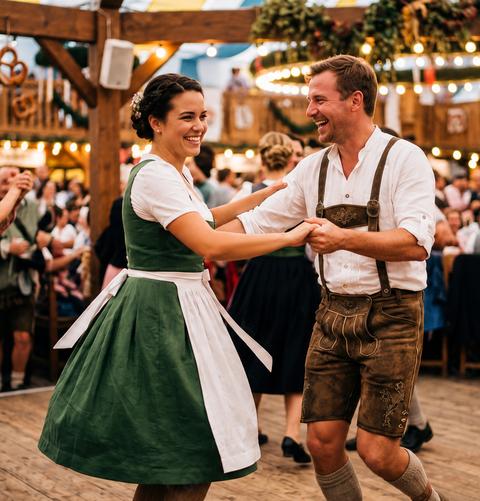
A visit to the Kocherlball in Munich requires some organizational skills, especially because of the unusual time of day. If you want to experience the first beats in the morning mist, you should set off early. Many visitors flock to the venue in traditional Bavarian costumes or historical servant attire, but there is no strict dress code. Clean everyday clothing is just as welcome as Lederhosen or a Dirndl. The choice of footwear is crucial: thin dance leather soles are quickly damaged by the fine gravel surface. Sturdy shoes with smooth synthetic or leather soles that offer good support are the much better choice.

If you would like to gain some practical dance experience before the first morning dance, you can learn the basics in other dance formats. For a sense of rotation and partner harmony, for example, classic Ballroom and Latin dance lessons are helpful. A general dance course also trains your sense of rhythm and leading skills. If you set off in good time, pack the right shoes, and approach others without hesitation, you will experience an unforgettable Sunday morning at the Chinese Tower.

Two Bavarian dance styles in direct comparison

Time signature change

The Zwiefache

Rhythmic alternation between Waltz and Dreher

The Zwiefache constantly alternates between three-quarter and two-quarter time. It requires concentration on the music and a well-coordinated couple, but rewards you with unique dynamics.

Line dance

The Munich Française

Five-part social dance in rows

The Munich Française is a country dance in two opposing rows. It thrives on announcements, precise figures, and the constant interaction of the entire group in the room.

Frequently Asked Questions

  1. Comfortable shoes with a smooth, sturdy sole are best. On the fine gravel of the beer garden, delicate dance leather soles wear out too quickly, while rubber tread soles make smooth turning difficult.

Mary De Lucaudansa editorial team ·
Share
Know-how for the floor

From the guide

View all articles