Dance styles4 minutes

Dance styles in Munich: variety and styles compared

By Bernhard De LucaUpdated

In short
  • In Munich, the spectrum of dance styles ranges from Salsa, Bachata and Argentine Tango to Swing and even Bavarian folk dance like Zwiefacher and Münchner Française.
  • The styles differ fundamentally in body posture, step patterns and the way leading impulses are transmitted in a couple.
  • Musical preferences, the desired balance between fixed figures and improvisation, as well as the required footwear are decisive for choosing the right style.
  • Open formats like dancing in the park in Westpark and Ostpark or dance evenings in the Hofgarten offer good opportunities to try out different styles without any obligation.

The spectrum of styles on the dance floor ranges from Caribbean rhythms to Tango and Swing, all the way to historical folk dance. Which dance style suits you best depends on your sense of music, your posture, and your desire for improvisation.

DefinitionDance style

Dance styles refer to historically and culturally developed forms of rhythmic movement, which are distinguished from one another by specific basic steps, postures, counts, and musical genres.

How dance styles in Munich differ

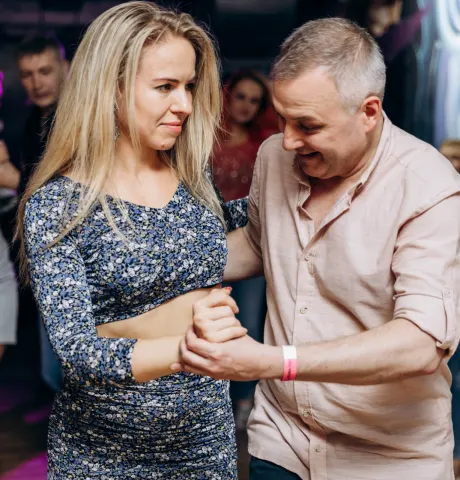
Anyone looking for suitable offers will quickly realize that the dance styles in Munich cover a remarkable range. The city combines a lively regional tradition with a wide selection of international partner dances and performing arts. While formats like Salsa or Bachata make it easy to get started through clear basic steps and rhythmic figures, dances like Argentine Tango or the traditional folk dance in Munich require a very specific understanding of posture and changes in rhythm.

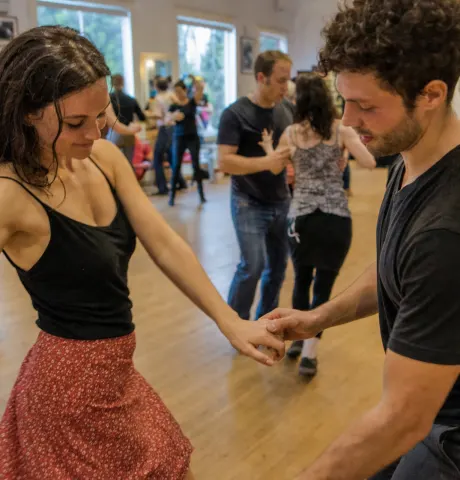
The choice of style determines which type of movement experience is at the forefront. Caribbean dances are characterized by dynamic turns and fluid weight shifts in 4/4 time. In contrast, the Tango is based on precise walking and a close connection within the pair that does not rely on fixed step sequences. If you want to find your way around, you should therefore pay particular attention to which bodywork and musical sensibility best suit your own wishes.
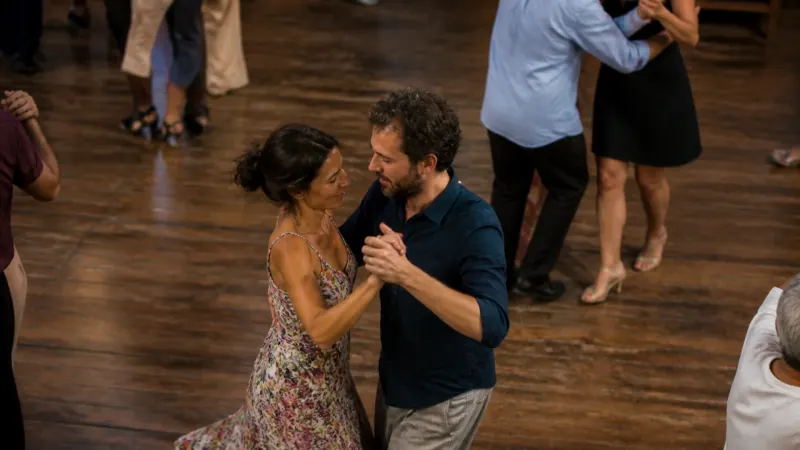
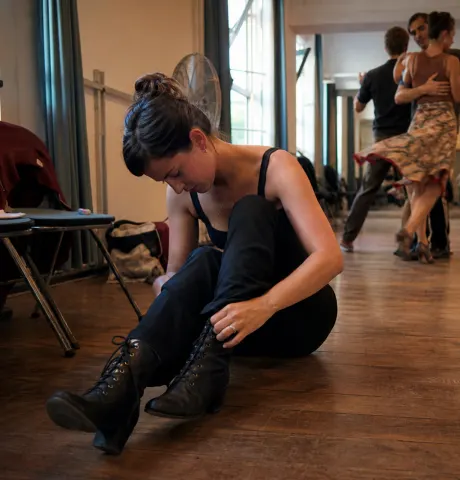
Sliding soles and a stable body axis make turns and precise weight shifts easier on any dance floor.

Leading impulses, musicality, and posture in comparison

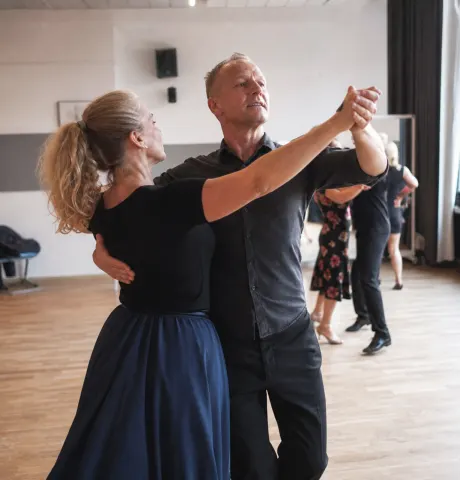
A significant difference between dance styles lies in the type of leading and the respective dance posture. Ballroom and Latin dances work with clearly defined step patterns that leave room for clean lines and expansive movements. In swing, on the other hand, bounce, syncopation, and free play with the music play the central role, which makes the dance style appear particularly dynamic and relaxed.

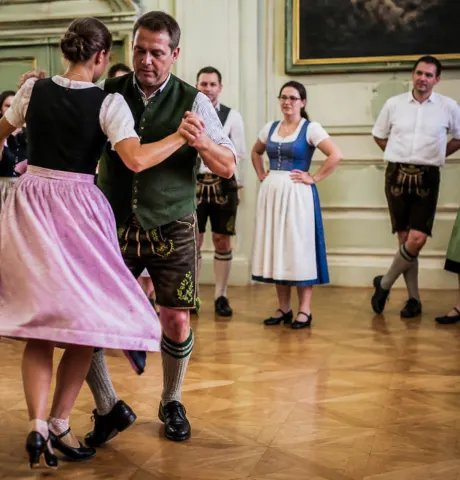
Bavarian dances, which are danced publicly in the city at major events like the Kocherlball in Munich, have a character all their own. The Zwiefache challenges couples through the constant alternation between waltz and turning steps in time, while social dances like the Munich Française are danced as group formations. Choosing a dance style means deciding not only on specific steps, but also on a specific social dynamic on the dance floor.

Choose the right dance style

Like this

  • Clarify in advance whether you are looking for free improvisation or fixed figures
  • Choose shoes with a smooth sole that make turns easier
  • Test different styles at trial offers in the park or studio

What not to do

  • Choosing a style based only on trends without liking the music
  • Turning on parquet floors with high-grip sneakers
  • Committing to a style long-term without a trial class

You don't learn a dance style through your head, but through your body awareness and the rhythm of the music you immerse yourself in.

Dance instructor for partner dance

Criteria for choosing the right dance style

To choose the right dance style, it is recommended to take a structured look at your own preferences. Before signing up for a format, ask yourself whether you prefer fixed sequences of steps or are looking for pure improvisation. Beginners often underestimate how much the requirements for balance, body tension, and footwear differ between styles: while soft soles are ideal for turns in Salsa and Swing, Tango requires smooth leather soles with a stable axis.

Local opportunities offer ideal entry points for getting to know them: in summer, the city program "Dancing in the Park" in Westpark and Ostpark offers free trial lessons in changing styles without prior registration, and the Dianatempel in the Hofgarten is also a popular meeting place for partner dances outdoors. If you are looking specifically for fixed course formats, use the course search on udansa to filter offers by level, style, and district, and to contact suitable dance partners if needed.

Two ways of partner dancing

Structure

Structured basic steps

Orientation based on fixed step patterns

Dances like Salsa, Bachata, or ballroom dances use clearly structured counts and recurring basic steps. This gives beginners security, but requires precise timing.

Freedom

Free improvisation

Focus on dialogue and axis

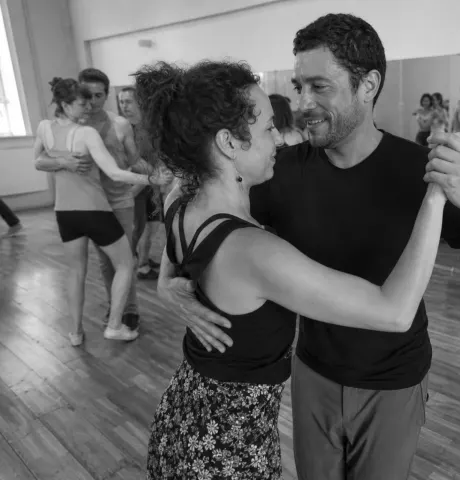
In Argentine Tango, steps emerge situationally from the shared axis and weight changes. The focus is entirely on non-verbal communication within the couple.

Frequently asked questions

  1. Dances like Salsa or Bachata are considered particularly accessible, as their basic steps are built on recurring beats. Anyone who has a clear counting pattern usually finds their way around quickly.

Discover dance courses in Munich

Find suitable courses for your dance style directly in Munich.

Find your style in Munich

On udansa you find dance courses in Munich as well as suitable dance partners for partner dances from Salsa to folk dance.

Find your style in Munich

Everything about dance styles in Munich: variety and styles compared