Dance trends4 minutes

Heels Dance in Munich: Getting started with solo dancing in heels

By Mary De LucaUpdated

In a nutshell
  • Heels Dance in Munich combines jazz, hip hop, and commercial dance into a sophisticated solo choreography in high heels.
  • The courses strengthen posture, core stability, and balance, all without a dance partner.
  • Beginners ideally start their training with stable dance ankle boots and work on step sequences without high heels at first.

Heels Dance revolutionizes solo training with a mix of strong body control and modern stage dance. If you dare to take your first steps in heels, you will discover a whole new connection of power and elegance.

DefinitionHeels Dance

Heels Dance is a contemporary dance style that performs solo choreographies from urban dance styles in specially adapted high heels. It specifically trains strength, balance, and stage presence.

Heels Dance as a modern solo dance in Munich

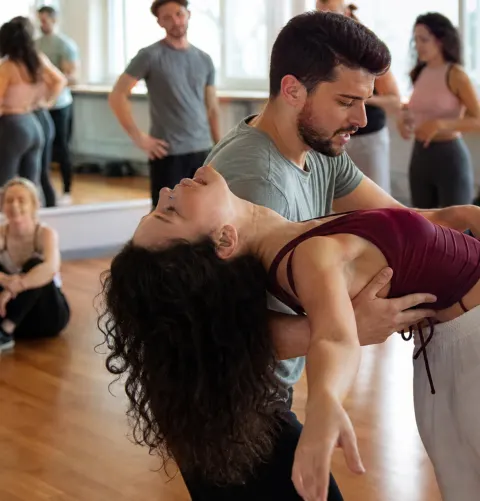
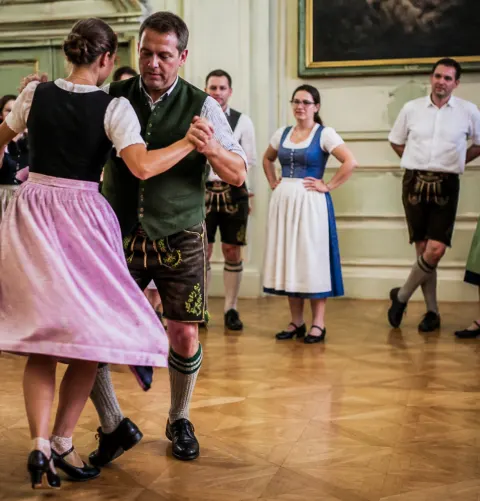
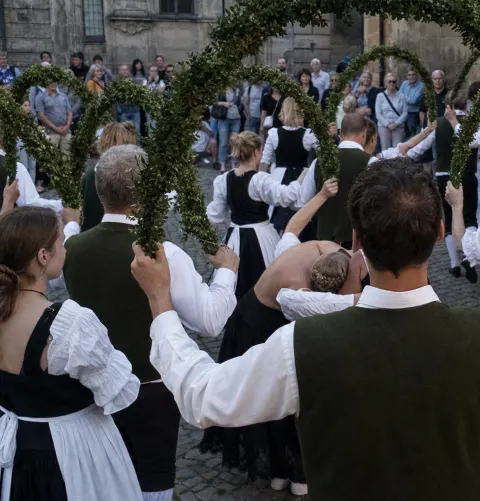
When you think of dancing in Munich, you might remember traditional festivals like the Kocherlball in the English Garden or festive balls. However, the modern solo dance world has long since set different accents. Heels Dance combines elements from Jazz Dance, Voguing, and Streetdance into a powerful performance in heels. In contrast to classic ballroom dancing, you dance here without a fixed partner. Your focus is on body control, charisma, and musical precision.

For beginners in Munich, this means: You do not need any prior knowledge of partner dance, but rather curiosity about rhythm and your own movement patterns. The choreographies require concentration and, above all, challenge the deep muscles in your core. What often looks effortless on video platforms requires a structured technique in the dance studio, which is built up step by step.

Stable joints and active body tension form the foundation for safe dance steps in heels.

Why technique and core tension come before height

A common misconception is that high heels alone shape your posture. In reality, they shift your body weight forward onto the balls of your feet, which can lead to strain if you lack active muscle tension. Good dance courses therefore dedicate a significant portion of class time to targeted warm-ups for the ankles, calves, and core.

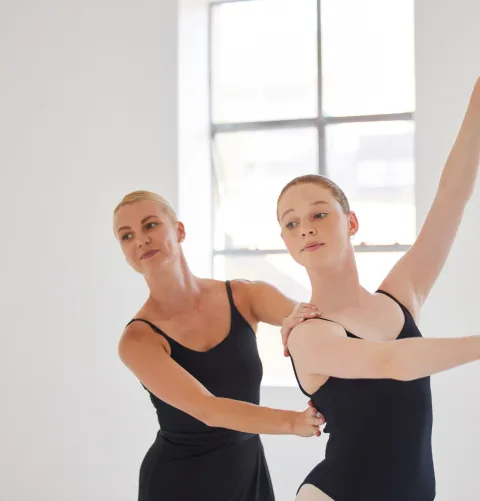
Only when your center is stable do lines, poses, and controlled turns follow. A well-founded course is characterized by the fact that choreographies are first developed in socks or flat sneakers. This way, you memorize the step sequences securely before the additional balance test of wearing heels is added. This reduces the risk of injury and ensures a confident appearance.

Preparation for training in heels

How to get started successfully

  • Wear sturdy ankle boots with good ankle support
  • Actively balance your weight over your center of gravity
  • Practice step sequences without heels first

Typical beginner mistakes

  • Wearing open-toed mules or slippery street shoes
  • Shifting your body weight uncontrollably into a swayback position
  • Attempting difficult choreographies in high stiletto heels right away

The real power in heels never comes from the shoes themselves, but from a strong core and clean footwork.

Dance instructor for Urban and Commercial Dance

The right equipment for your first course

Choosing your first training shoes significantly determines your learning success and enjoyment in class. Street shoes, platform soles, or delicate stiletto heels are unsuitable for training, as they do not provide reliable support for your ankles. Dance boots with laces that firmly enclose the ankle and have a flexible sole are recommended.

If you want to expand your skills, you will often find overlaps with related urban styles. Many detailed elements come from the field of Urban Dance Styles or Commercial Dance, as you know it from music videos. A structured beginner course offers you a safe space to train your musicality, build strength, and deepen your personal expression without the pressure to perform.

Flat soles versus heels in comparison

Foundation

Training on flat soles

Precision and joint protection

Flat shoes make it possible to internalize new combinations and weight shifts cleanly without straining your ankles.

Performance

Dancing in heels

Body tension and stage presence

Wearing heels changes the body's leverage, which brings out the full tension and lines of the choreography.

Frequently Asked Questions

  1. No, you do not need to be able to walk in heels at all to start Heels Dance. Many instructors even recommend that beginners complete the first sessions in sneakers or socks. This way, you learn the basics and strengthen your ankles and core before switching to heels.

Dance courses for Heels Dance in Munich

Discover suitable courses and studios for modern solo dance styles directly in your area.

Find your dance community in Munich

Compare studios for modern dance styles in Munich or connect with like-minded people for shared practice sessions.

Find your dance community in Munich