

Find your partner for the crew
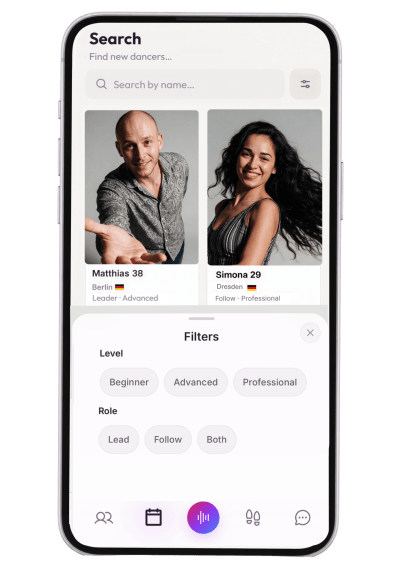
Whether you are looking for like-minded people for your own crew or need someone to practice with in the studio: on udansa you will meet the urban dance scene in your city.

If you really want to make progress in Urban Dance, you need more than just a playlist. With a clear structure, you make every session highly effective and train like the pros.
Anyone looking to improve their skills in urban dance often faces a major challenge: without structure, you quickly get lost in random social media clips or mindlessly repeat the same steps in the studio. A well-thought-out plan for your solo dance training requires discipline, but above all, a clear concept. It is not enough to just turn on music and start moving. Your body and mind must be specifically prepared for the hard, isolated movements that define this dance style. A structured streetdance training plan ensures that you use your time optimally, avoid injuries, and make measurable progress instead of standing still.
It is important to balance the various pillars of urban dance. Good training combines physical fitness, clean technique, and creative expression. For example, if you want to specifically improve your isolations to make your movements look sharper, you should schedule fixed times for this. Those who want to understand the roots of the movements more deeply will find valuable insights into the development of the beats in the article about Hip-Hop history and music. With the right structure behind you, every session at home or in the studio becomes a real upgrade for your dance style.
Always film yourself from a side angle during technique drills. Many posture mistakes or imprecise footwork are barely visible when looking directly at yourself in the mirror.
Start with ten minutes of cardio to get your heart rate up, followed by targeted mobilization exercises for your neck, shoulders, hips, and ankles. You will know you are ready when your body is warm and your joints move freely.
Dedicate ten to fifteen minutes to isolated movements of individual body parts and the basics of your style. If you want to learn, for example, the isolations in Streetdance styles, this is the perfect place for it.
Use the next twenty minutes to work on new step combinations or to refine existing sequences. Repeat the movements slowly without music at first and increase the tempo step by step until every accent lands exactly on the beat.
Leave the fixed structure behind for fifteen minutes and dance freely to the music to train your musicality. If you still feel insecure in free dance, our guide on learning freestyle Hip Hop will help you.
Bring your heart rate down slowly with calm tracks and gently stretch the muscles you have used. A five-minute cool-down initiates regeneration and ensures that you wake up the next day without severe muscle soreness.
An effective Hip Hop training session ideally lasts between 60 and 90 minutes. During this time, you can complete a warm-up, technique drills, creative work, and a final cool-down without time pressure or fatigue.
Are you looking for the right course to apply your practiced basics in a group?
 Hip-Hop history and music: The roots of urban beatsDive into the fascinating history of Hip-Hop and learn to understand musical structures from the first breakbeats to modern trap rhythms.
 Learn street dance styles: Basics for Popping, Locking, and HouseDiscover the fascinating world of classic street dance styles. From the precise hits of Popping to the effortless footwork in House dance, we show you the most important fundamentals.
 Learn Freestyle Hip Hop: Cypher, Krump & modern stylesDiscover how to develop your own style in freestyle Hip Hop, master expressive techniques like Krump and Waacking, and move respectfully within the cypher.
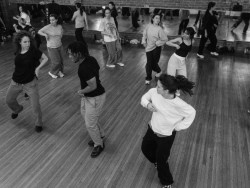 Find a Hip Hop dance class: From basics to your crewThe path to streetdance success combines discipline in individual training with the energy of a strong community. Learn how to structure your training and find the right crew.
 Learning Hip-Hop online vs. in the studio: What suits you?Comparing digital living room training with a classic local dance school: Find out which path leads you to your own style the fastest.