Performance guide4 minutes

Preparing for a Hip-Hop performance: How to make the show stress-free

In a nutshell
  • Structured preparation strictly separates logistical tasks from the artistic performance on the day of the show.
  • Targeted training without mirrors strengthens spatial awareness and orientation toward other crew members.
  • An exact schedule for the backstage area prevents rushing before the curtain and ensures focus.
  • Mental preparation immediately before the performance channels the energy of the entire group for the show.

The moment in the spotlight is approaching and the adrenaline is rising. With the right structure beforehand, you turn stage fright into pure performance energy on stage.

What you need before you start

  • Completely finished and securely fitting group choreography
  • Coordinated show outfits including matching sneakers
  • Digitally playable version of the performance track
  • Knowledge of the exact dimensions of the performance area

Building the mental bridge from the studio to the stage

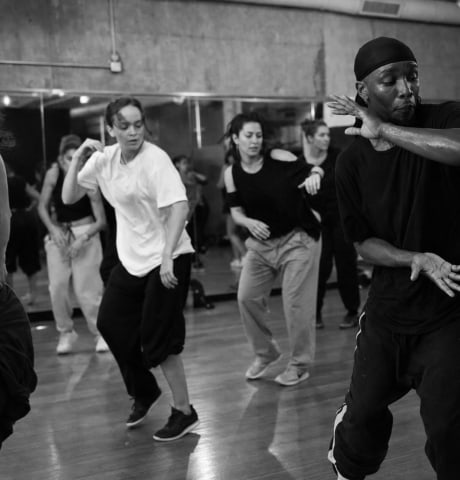
An upcoming stage performance often raises many questions that go far beyond just dancing. When preparing for a street dance show, the core task is to bridge the gap between the familiar training room and the often unpredictable stage. Spotlight glare, the acoustics in the hall differ drastically from studio speakers, and adrenaline levels change your perception of tempo and space. To maintain full orientation here, a structured approach helps. Those who clarify all logistical and mental factors in advance create the necessary freedom to focus fully on the expression and energy of the group during the actual performance.

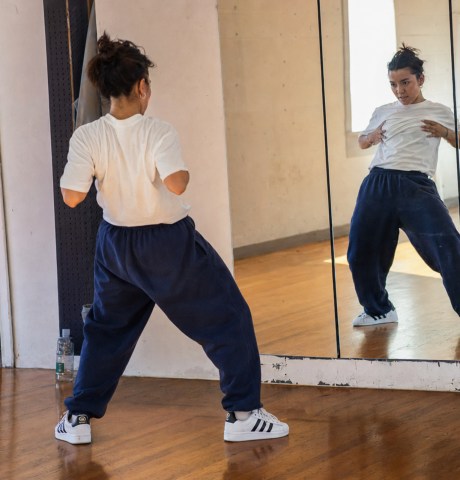
It is particularly important to internalize the spatial dimensions of the stage early on. While you usually have a mirrored wall for orientation in the dance studio, this visual anchor is completely missing on stage. This can initially lead to uncertainties with formations. A proven intermediate step is therefore to consciously cover the mirrors in the studio during the last few weeks of training or to turn around in the room. This way, you learn to orient yourself blindly to your crew members and strengthen the collective sense of space, which will improve your stage presence, as your gaze will automatically wander forward to the audience.

Concentration in the dim light: The minutes right before the performance belong to mental focus and the group.

Step by step to a successful performance

  1. Testing your show outfit during training

    Practice your entire show routine in the exact clothing and shoes you will wear on stage. This way, you will notice slipping trousers or uncomfortable sneakers in time before your performance.

  2. Actively measure the stage dimensions

    Use the short time on the actual stage to walk along the outer boundaries. Memorize distinctive points in the hall that serve as a visual substitute for the studio mirror during your turns.

  3. Mobilize your body and joints

    Get your circulation up to operating temperature at least thirty minutes before you start. Cold muscle tissue increases the risk of injury and reduces the dynamics of your movements in the first few seconds.

  4. Forming the mental focus circle

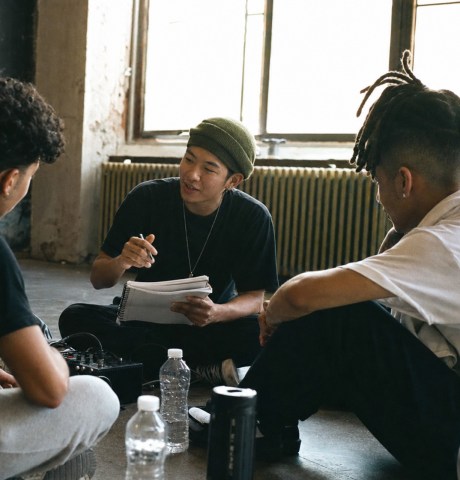
    Retreat with your crew shortly before being called up to bundle your focus. A shared circle, a quick high-five, or a loud crew chant synchronizes the energy of the entire group.

  5. Smile through mistakes and keep dancing

    As soon as the beat kicks in, only the performance counts. If a step goes wrong, get back into the choreography emotionally right away, instead of getting annoyed about the slip-up.

Success factors for the spotlight

Correct

  • Practice dancing the choreography without a mirror early on
  • Use sneakers with good grip
  • If you make a mistake, just smile and keep dancing
  • Focus on the energy of the group

Wrong

  • Testing the choreography on stage for the first time without a mirror
  • Wearing brand new shoes directly for the performance
  • Visually breaking character after a mistake
  • Letting other crews backstage make you feel insecure

Your checklist for the perfect show sequence

Two weeks before

Preparation

The day before

Arrival

On show day

During

Frequently Asked Questions

  1. You improve your presence by consciously dancing without a mirror during training and keeping your gaze at eye level. That projects self-confidence directly to the audience.

Hip-Hop courses near you

Get ready for your next performance with professional coaching.

View all matching courses

Find your crew on udansa

Whether you are still looking for the perfect crew for your next show or need like-minded people for training together: on udansa you will meet the urban dance scene in your region.

Find your crew on udansa