Dance stylesDance styles in Berlin

Contemporary dance in Berlin: Independent scene and studios

4 minutes
In short
  • Contemporary dance in Berlin is supported by an active independent scene of collectives, independent ensembles, and training centers.
  • Important hubs with history and open training sessions are the Tanzfabrik Berlin in Kreuzberg and the Uferstudios in Wedding.
  • Adults can get started through open drop-in classes in Contemporary, Floorwork, and Contact Improvisation without any prior knowledge.

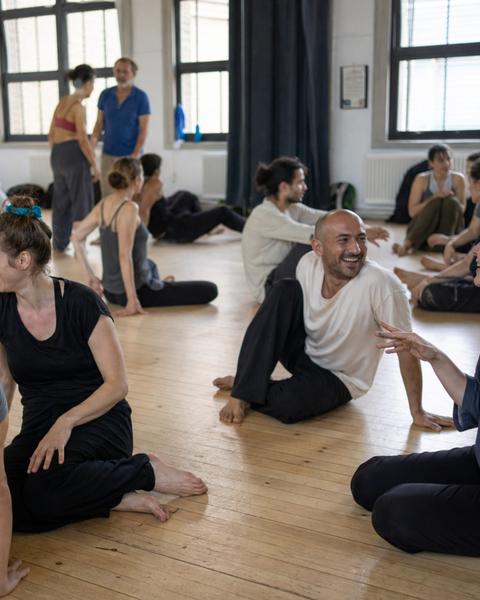
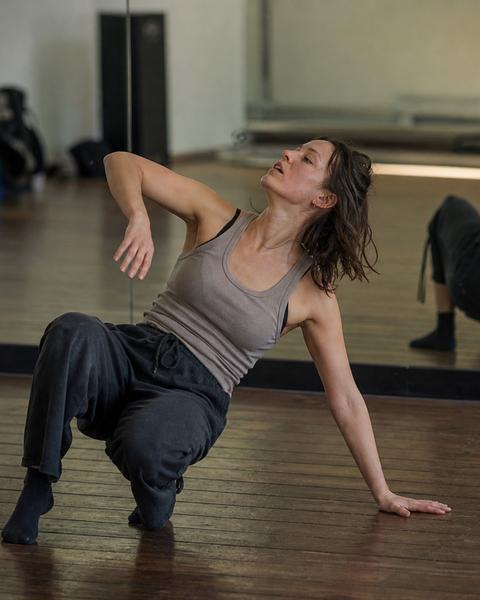
Contemporary dance thrives on a spirit of experimentation, floor work, and individual movement language. In the open studios, curious beginners and professionals meet without any elitist pressure.

DefinitionContemporary Dance

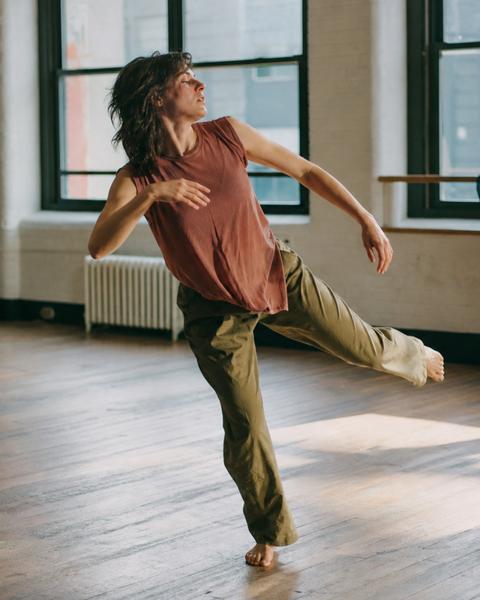
Contemporary dance is a collective term for modern stage dance forms that combine established dance techniques with free movement concepts, gravity, and improvisation. It breaks away from fixed step patterns in favor of organic movement sequences.

How the city's independent dance scene is structured

Anyone arriving in Berlin who is interested in performing arts beyond classical norms will quickly encounter the independent dance scene. In contrast to permanent ensembles at municipal theaters, choreographers and dancers here organize themselves into temporary projects, collectives, or as freelance solo artists. Contemporary dance in Berlin is characterized above all by the close integration of professional research and open training formats. Studios serve not just as rehearsal spaces, but as social meeting points where body concepts are tested.

Historically, this scene is deeply rooted in self-managed structures: the Tanzfabrik Berlin was founded in 1978 in a former lamp factory in Kreuzberg and contributed significantly to establishing Contact Improvisation in the country. Today, the Uferstudios area in Wedding forms another important center where the Inter-University Center for Dance Berlin, independent initiatives, and workspaces meet. Here, it is rarely about pure show effects, but rather about physical presence, improvisation, and the exchange of movement.
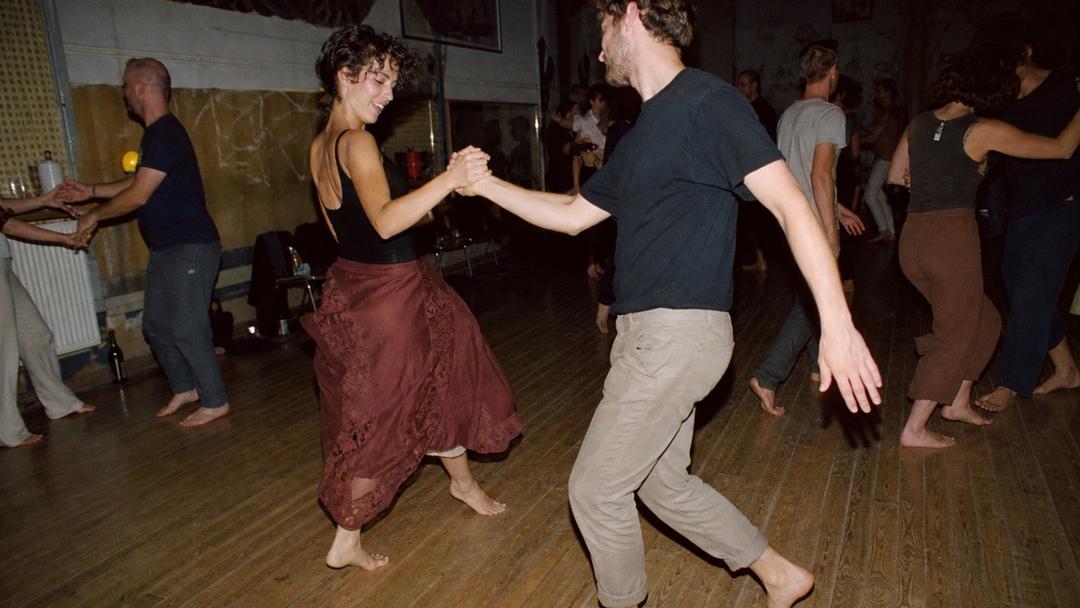
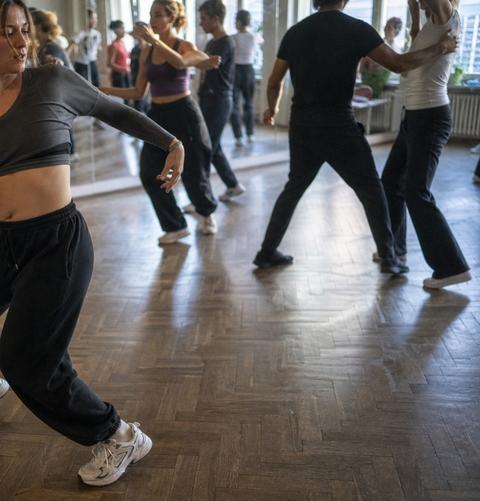
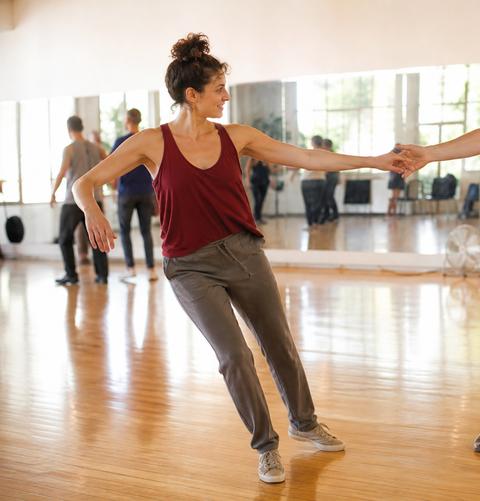
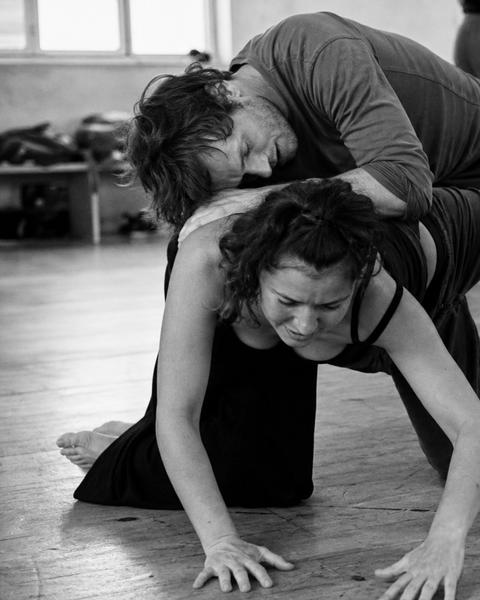
On sprung floors and dance mats, contemporary training almost always begins on the floor.

What contemporary means in everyday studio life

For beginners, contemporary Berlin often seems intimidating because there are no fixed sequences of steps. Classical dance styles dictate directions, beats, and foot positions. Contemporary dance, on the other hand, uses physical principles such as gravity, momentum, breath, and the deliberate release of body weight onto the dance floor. Anyone wanting to understand this approach trains their own body awareness instead of copying mirror images.

A typical training class usually begins on the floor with floorwork. Through gentle rolling, stretching, and releasing unnecessary muscle tension, contact with the surface is established. Only then does the action shift to an upright position, where weight shifts and expansive sequences follow. If you compare this with the well-founded training programs discussed in the article about studying dance in Cologne, it becomes clear that in the recreational sector, too: contemporary classes ask about the why of a movement, not about perfection. Anyone who remains open to free improvisation will find new concepts in dance classes that also work in solo training.

Tips for your first contemporary class

Recommended

  • Wear long clothing to avoid skin abrasions on the floor
  • Consciously transfer your body weight to the floor and use gravity
  • Trust your own body awareness instead of copying the neighbors in the mirror

Avoid

  • Going onto the sprung floor with indoor sneakers or firm street shoe soles
  • Trying to force movements with violence and pure muscle tension
  • Expecting rigid step sequences like in traditional dance school classes

Contemporary courses in Berlin

Find contemporary dance classes and workshops near you.

Contemporary dance is not about hitting a pose, it is about consciously experiencing the path between two points.

Dance teacher for contemporary dance

The direct path to your first dance classes

Getting started with open dance classes is best achieved through so-called drop-in classes, where no months-long contract commitment is necessary. The right equipment is important: you train barefoot or in socks. Your clothing should consist of several layers, as intensive floorwork puts strain on the skin of your knees and shoulders. Long cotton trousers and a long-sleeved top protect you from friction on dance mats or sprung wooden floors.

In addition to your own training, it is worth visiting performances beyond large opera houses, for example at the Sophiensæle in Mitte, which present up-and-coming choreographic talent during the Tanztage Berlin. If you are looking to start in a studio, choose classes with names like Contemporary Basics or Floorwork Fundamentals at the beginning. If you want to know more about the basics, you will find many parallels in articles like Contemporary Dance in Cologne, where the same movement principles are taught.

Contemporary and ballet compared

Contemporary

Contemporary Dance

Expression and body research

This is about movement languages, gravity, and free improvisation. Dancers work with breath, joint mobility, and individual expression beyond rigid forms.

Classical

Classical Ballet

Tradition and formal rigor

Codification, strict lines, and defined figures dominate here. Posture, turnout, and virtuosity follow a centuries-old tradition.

Frequently Asked Questions

  1. You need comfortable, elastic clothing in layers as well as soft socks. Long trousers and a top with sleeves protect your joints and skin from abrasions during intensive floor work.

Bernhard De Lucaudansa editorial team ·
Share
Know-how for the floor

From the guide

View all articles