How emotions turn into real dance movements
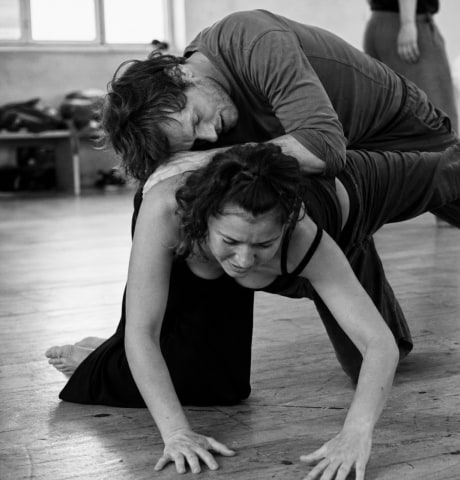
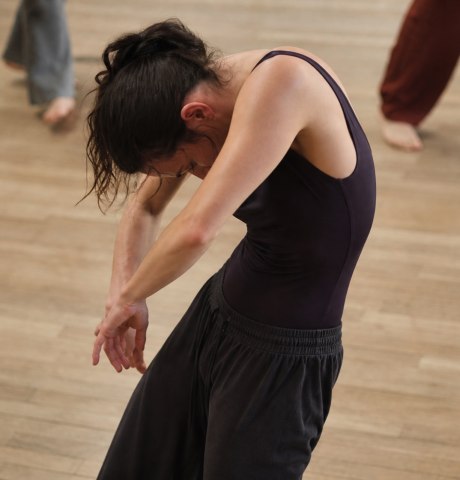
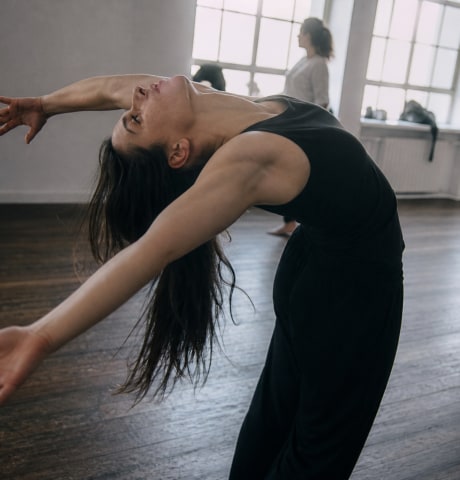
Developing your own choreography in contemporary dance is fundamentally different from classical styles. While those often involve stringing together fixed step patterns, the contemporary solo thrives on translating inner images and emotions into physical movement. It is not about showing as many difficult jumps or turns as possible, but about telling an honest, moving story. Your movements gain depth when you understand how to translate abstract feelings like farewell, longing, or pure joy into the dynamics of your body.
To prepare yourself optimally for this creative process, it helps to familiarize yourself with the differences between the various dance forms. A look at the difference between modern and contemporary dance shows you how freely contemporary movement language can unfold today. Learning specific techniques, such as the Graham technique for contraction and release, can also provide you with valuable tools and impulses for your own movement language. Use this knowledge as a foundation on which you build your very personal story through dance.