Dance styles4 minutes

Contemporary Dance in Cologne: Modern expressive dance

By Mary De LucaUpdated

In a nutshell
  • Contemporary Dance in Cologne combines fluid floorwork with expansive swings and individual improvisation.
  • Cologne studios offer courses for absolute beginners as well as advanced dancers outside of full-time academic training.
  • Dance barefoot or in socks, wearing comfortable sportswear that protects your knees and shoulders during floor contact.
  • Registration for trial classes is easy via the current offers from local dance studios.

Contemporary dance challenges the entire body and frees the mind from rigid patterns. In Cologne, open studio formats offer a direct entry into floor-based dynamics and emotional expression.

DefinitionWhat is Contemporary Dance?

Contemporary Dance refers to an open dance form that combines elements of modern dance, ballet, and urban movement styles with individual improvisation. Central to this are playing with gravity, conscious breathing, and fluid contact with the floor.

Expressive movement art in the Cologne neighborhoods

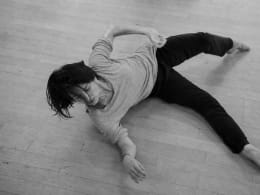
Cologne is traditionally considered a melting pot for dance, between the independent art scene and a vibrant landscape of studios. When you are looking for Contemporary Dance in Cologne, you will not encounter a rigid set of rules, but a movement-loving fusion of floorwork, release techniques, and individual dynamics. Unlike classical ballet, contemporary dance is not about flawless turnout, but about the conscious play with gravity, momentum, and body weight.

The offerings in the cathedral city are distributed across versatile studios between Ehrenfeld, the Südstadt, and the Belgian Quarter. Anyone exploring dance styles in Cologne will quickly realize that courses for contemporary dance often seamlessly connect to related forms like Modern Dance or Contact Improvisation. The Cologne scene is characterized by an open atmosphere, in which adults without any dance background are also welcomed into the course.

This is how a typical contemporary class works

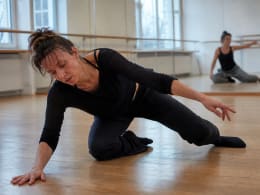
A typical contemporary dance class in Cologne is usually divided into three consecutive phases. At the beginning, there is a solid warm-up that mobilizes joints and sharpens body awareness. Floorwork plays a major role here: you learn to glide across the floor in a controlled manner, roll, and understand gravity as a natural partner instead of fighting against it.

In the middle section, you train dynamic diagonals across the room. Swings, jumps, and changes of direction challenge your coordination and get your cardiovascular system going. Most classes conclude with an expressive choreography or a guided improvisation part. Here, you combine technique with personal expression, try out changes in tempo, and give the music your own physical form, regardless of whether you are just discovering learning contemporary in Cologne as a new hobby or already have previous experience.

What matters in contemporary dance

How to get started

  • Wear long pants to protect your knees during floorwork sequences
  • Consciously release your body weight into the floor
  • Initiate movements organically from your core
  • Explore your individual range of movement without pressure to perform

Typical beginner mistakes

  • Sliding over rough dance floor surfaces with bare knees
  • Fighting against gravity in a tense way
  • Moving only arms and legs in isolation
  • Copying choreographies rigidly and without expression

Contemporary dance begins the moment you stop forcing a predetermined pose and let your body surrender to the movement.

Dance instructor for contemporary dance, Cologne

Between technical foundation and free improvisation

When starting contemporary dance, the question often arises as to what the difference is compared to traditional forms. While classical modern dance is based on historical techniques by Martha Graham or José Limón with clearly defined contractions and tension arcs, contemporary dance opens the field even further. It integrates influences from acrobatics, martial arts, and urban dances, which means that every instructor cultivates their own unique signature in class.

You do not need any prior knowledge or acrobatic skills to participate in courses in Cologne. Comfortable training clothes that cover your shoulders and knees protect you from friction during floor work. Dancing is usually done barefoot or in special cotton socks that allow for effortless turning and sliding on the sprung floor. If you are looking for a dance school in Cologne for beginners, trial classes are an uncomplicated way to find out whether a fluid, floor-oriented, or more rhythmic approach best suits your personality.

Modern Dance and Contemporary compared

Modern

Structured body tension

Historical dance technique with a fixed form

Fixed movement patterns from pioneers like Graham or Limón train posture, targeted core tension, and clear lines in space.

Contemporary

Free flow and gravity

Contemporary openness without dogmas

Fluid transitions, the use of gravity, and influences from acrobatics or urban dance shape a versatile movement vocabulary.

Frequently Asked Questions

  1. No, for beginner courses in Cologne, neither ballet experience nor special flexibility is required. You will build the necessary agility, strength, and coordination step by step during regular training.

Contemporary and dance courses in Cologne

Find the right course for contemporary dance or modern dance in your area.

View all matching courses

Learn to dance expressively together

Find dance enthusiasts in your area and the right introductory course for contemporary dance directly at udansa.

Learn to dance expressively together