Dance HistoryDance styles in Cologne

German Dance Archive Cologne: Dance History and Dance Museum

5 minutes
In short
  • The German Dance Archive Cologne is a research and information center in the Cologne Mediapark with a library, video library, and over 400 estates.
  • The Dance Museum, opened in 1997, presents annually changing exhibitions with original documents, costumes, and photographs on stage dance from the 18th to the 20th century.
  • The institution is supported by the SK Stiftung Kultur of the Sparkasse KölnBonn and the City of Cologne.
  • While the archive is open to researchers and dance professionals by appointment, the museum welcomes everyone interested with guided tours, lectures, and film evenings.

Dance vanishes the very moment the movement ends. The archive at the Mediapark collects the traces of stage dance and makes its development tangible for everyone.

DefinitionDance archive

A dance archive is a specialized memory institution for the systematic collection, preservation, and cataloging of documents, costumes, visual sources, and estates related to the art of dance. It secures fleeting stage moments permanently for research and the public.

A memory for stage dance in the Mediapark

Anyone interested in the origins of European stage dance will quickly come across the German Dance Archive Cologne in Cologne's Mediapark. Founded as an information and research center, the institution preserves the material memory of artistic dance. The institution is supported by the SK Stiftung Kultur of the Sparkasse KölnBonn and the City of Cologne. It houses over 400 estates and collections of outstanding personalities, including the personal documents of expressionist dance pioneer Mary Wigman and choreographer Kurt Jooss. For researchers, dance professionals, and dance enthusiasts, the archive offers a deep insight into historical notations, reviews, and correspondence.

What is special about this collection is its thematic range, which extends from 18th-century dance to the modern era. In addition to writings and photographs, the archive includes an extensive library and a specialized video library. This allows past forms of movement to be traced that would otherwise have existed only fleetingly on stage. Dance history is not understood here as dry theory, but as a living documentation of human expressive power. The historical collection also provides important impulses for orientation in understanding today's styles, such as Contemporary Dance.
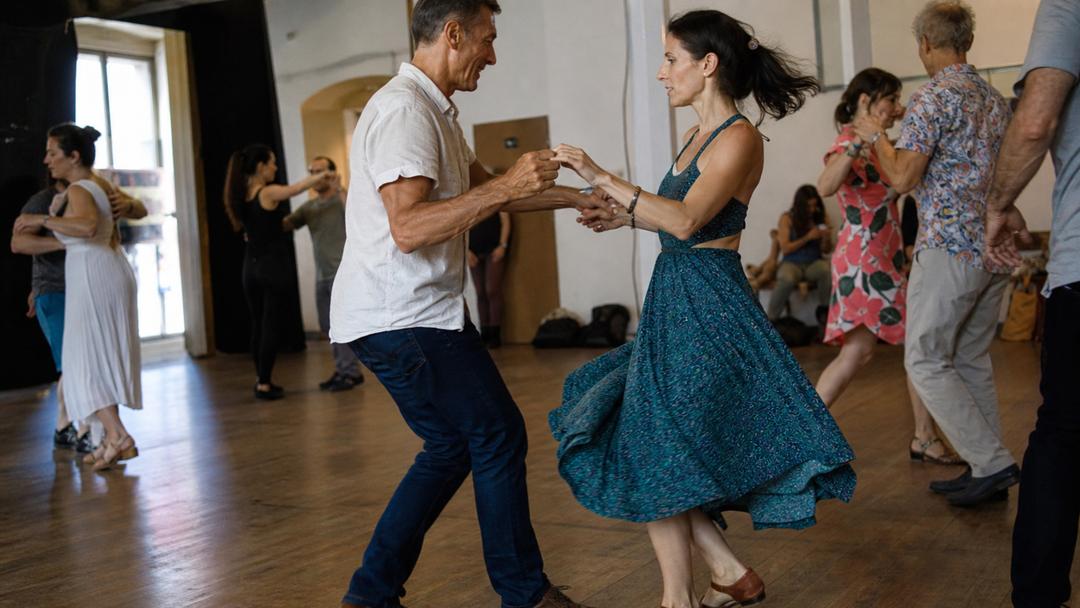
Historical dance scores and photographs preserve choreographies from being forgotten over the centuries.

Experience changing exhibitions at the dance museum

To make the rich collections accessible to more than just researchers, the archive's dance museum opened in 1997. Selected treasures from the collection are presented to the public in annual themed exhibitions. Visitors can see historical photographs, handwritten dance scores, letters, as well as original costumes and stage design drafts. These artifacts illustrate how body images, costume concepts, and dance aesthetics have changed over the centuries.

A tour through the dance museum opens your eyes to how closely the art of dance is linked to social trends. In addition to classic display cases, regular guided tours, lectures, and film evenings enliven the exhibition program. You will learn which scandals some dance premieres triggered and how choreographers invented new movement languages. Historical dance venues like the municipal Gürzenich show how deeply dancing is rooted in urban life, but the museum in the Mediapark focuses entirely on the art form of stage dance and its creative transformation.

Planning your visit to the dance archive and museum correctly

Recommended

  • Let the exhibition themes have an unbiased effect on you
  • Compare original dance scores and costumes in detail
  • Take advantage of accompanying guided tours or film evenings on site
  • Register in writing in good time for archive research

Common misconceptions

  • Expecting expert knowledge of dance notation as a prerequisite for visiting
  • Reducing dance history only to finished stage performances
  • Viewing the museum only as a pure text archive without visual displays
  • Arriving to view collections without making an appointment

A dance archive captures the most fleeting of all artworks and gives choreographies a second life beyond the stage curtain.

Dance scholar and curator

How laypeople and active dancers use the collections

The dance museum is explicitly aimed at a curious audience without any academic background in dance studies. Those visiting exhibitions do not need any prior knowledge of historical step sequences or Labanotation. The shows are designed so that visual impressions, costumes, and historical recordings speak for themselves. Often, a glance at a handwritten notebook or a historical recording is enough to grasp the fascination of a dance era.

For your own dance practice, this look back can be surprisingly inspiring. If you dance yourself or are considering which dance style suits you best, you will discover the common roots of many modern techniques in the museum. The archive itself, however, is open to anyone who wants to conduct targeted research on specific choreographies, individuals, or eras. While the museum invites you to look and discover, using the archival collections and estates in the reading room generally requires prior registration. In this way, both areas complement each other to form a living bridge between the past and the present.

Two sides of the same institution in comparison

Research

German Dance Archive

Source studies at the Cologne Mediapark

The archive preserves over 400 estates, letters, photographs, and dance scores. Here, primarily researchers, journalists, and choreographers work with historical sources in the reading room by prior arrangement.

Exhibition

Dance Museum

Public space for dance culture

The museum prepares historical collections for the public in rotating exhibitions. Original costumes, photographic documents, and film evenings make dance history vivid for every visitor without prior knowledge.

Frequently Asked Questions

  1. Yes, the dance museum is accessible as a public exhibition space for everyone interested in dance during regular opening hours without prior registration. It presents annually changing thematic exhibitions from its own collection, supplemented by guided tours and lectures.

Mary De Lucaudansa editorial team ·
Share
Know-how for the floor

From the guide

View all articles