From medieval department store to civic dance hall
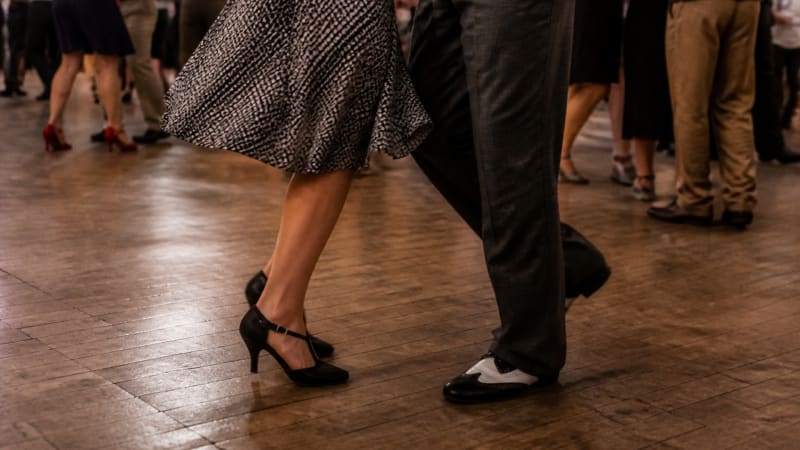
The city had the Gürzenich built in the 15th century as a representative municipal festival and dance hall to ceremoniously welcome high-ranking guests. When you walk past the late Gothic secular building in Cologne today, the facade bears witness to exactly this civic self-confidence. Even back then, the goal was to have a neutral space for urban celebrations, banquets, and social dancing. The term civic dance hall marked a noticeable change: grand festivities no longer took place exclusively in monasteries, aristocratic residences, or guild houses, but were part of the heart of the citizens' urban life.
Inside, the large hall provided the floor for historical processional dances and festive rounds for centuries. If you are looking for your own start on the dance floor or are still searching for the right beat, you can first find out which dance style best suits your own rhythm via a practical self-test for dance styles in Cologne. At the Gürzenich, it was about communal dancing as an expression of cohesion and urban status from the very beginning.