Dance styles5 minutes

Which dance style suits you in Cologne? The self-test

By Bernhard De LucaUpdated

In short
  • The Cologne dance scene ranges from fast Caribbean rhythms and intimate embraces to powerful solo choreographies in the studio.
  • Your personal preference for music style, range of movement, and physical distance determines the ideal type of dance more reliably than mere trends.
  • In the neighborhoods between Ehrenfeld and Südstadt, couples in beginner classes usually rotate, so fixed dance partners are rarely mandatory.
  • Trial classes offer the best test run in Cologne for music selection, room atmosphere, and teaching dynamics.

If you want to start dancing in Cologne, you do not need to ponder for months. Your preferences regarding music, closeness, and movement tempo will point you directly to the right course.

Cologne's dance diversity between club scene and tradition

Cologne dances in a versatile, lively way, spread across almost every neighborhood. If you are wondering which dance style suits me in Cologne, you are faced with a wealth of possibilities between Ehrenfeld, the Belgian Quarter, and the Südstadt. Whether you are looking forward to fast beats, fluid movements, or structured footwork: The choice of dance style determines how comfortable you feel on the dance floor. For the perfect start, it is worth taking a look at your comfort zone regarding physical contact, sense of rhythm, and spontaneity beforehand.

The cathedral city is characterized by a particularly open dance culture. No one needs to bring years of prior knowledge to find their place. While some dancers seek the social energy of salsa parties, others appreciate the subtle non-verbal communication in Tango or the pure rhythmic joy of urban beats. If you are still unsure how to choose the right class, our guide on the topic of finding the right dance school in Cologne provides valuable orientation for your practice.

Find your dance style in 5 questions

  1. Which music makes you spontaneously start tapping your feet at a party?

    • A: Caribbean beats, brass instruments, and driving percussion rhythms
    • B: Melancholic melodies with accordion, violin, or gentle guitar sounds
    • C: Well-known pop classics, big-band swing, or elegant waltz sounds
    • D: Powerful Hip-Hop, current chart hits, and deep bass
  2. How do you feel about physical closeness when dancing?

    • A: Relaxed at arm's length with occasional lead turns
    • B: Very close and intimate in chest-to-chest contact with closed eyes
    • C: Formally at a distance with upright dance posture and a firm frame
    • D: Completely independent, I prefer to move on my own
  3. What is most important to you when learning a dance?

    • A: Quick fun at socials without months of technical training
    • B: Refined leading, following, and sensing weight shifts
    • C: Clear step patterns, counting the beat, and visible progress
    • D: Sense of rhythm, body isolations, and stamina
  4. How do you prefer to spend your dance evening after class?

    • A: Standing on the sidelines with a cold drink and dancing with many partners
    • B: Getting lost in the music in a quiet atmosphere
    • C: Attending festive balls and elegant dance evenings in a ballroom
    • D: Going home exhausted and satisfied after an intense workout
  5. What do you find most appealing about the dance culture in Cologne?

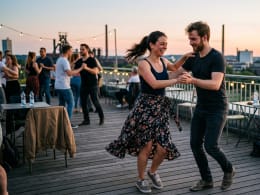
    • A: The relaxed open-air evenings at the Rheinboulevard in summer
    • B: Small, atmospheric dance salons with an intimate vibe
    • C: Large traditional balls and sociable dance school parties on the weekend
    • D: Urban training spots, cyphers, and open studio workshops

Your evaluation

Mostly A: The cheerful social dancer

You are looking for exuberant sociability, driving rhythms, and a relaxed atmosphere without strict etiquette. Dances like Salsa or Bachata fit perfectly with your desire for uncomplicated socials and quick movement. Try a trial lesson in the open Latino clubs or studios in Ehrenfeld and the Belgian Quarter.

Mostly B: The mindful connection seeker

You are fascinated by tangible musicality, concentration, and subtle, respectful body language. Formats like Argentine Tango offer you a protected space for deep non-verbal dialogues far away from the hustle and bustle of parties. Beginner workshops in specialized tango studios in the southern part of the city are your ideal next step.

Mostly C: The structured all-rounder

You appreciate clear structures, comprehensible technique, and a versatile repertoire to timeless music. The classic world dance program area with Ballroom and Latin offers you the perfect mix of posture, spatial awareness, and tradition. Sign up for a classic beginner course at an established dance school.

Mostly D: The urban solo head

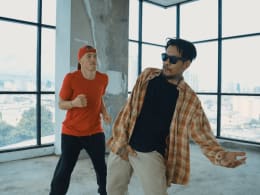
You want to focus entirely on your own body, modern beats, and powerful choreographies. Solo styles like Hip Hop or urban dance classes give you maximum freedom without the need to coordinate between leader and follower. Search for open classes in urban dance studios around Ehrenfeld and Nippes.

Cologne dance styles in direct comparison

CriterionSalsa & Bachata (Type A)Argentine Tango (Type B)Ballroom & Latin (Type C)
Music styleCaribbean, tropical, modernClassic Tango, NeotangoPop, chart hits, orchestral sounds
Physical contactLoose to medium, flexibleClose, centered and intenseFirm dance frame at a distance
Learning curveQuick success for socialsRequires patience and mindfulnessSystematic step-by-step structure
Cologne sceneVery large with many partiesIntimate with a loyal milonga sceneBroadly anchored across all neighborhoods

The assessments are based on typical beginner courses in the Cologne dance landscape.

From the test result to your first step on the Cologne dance floor

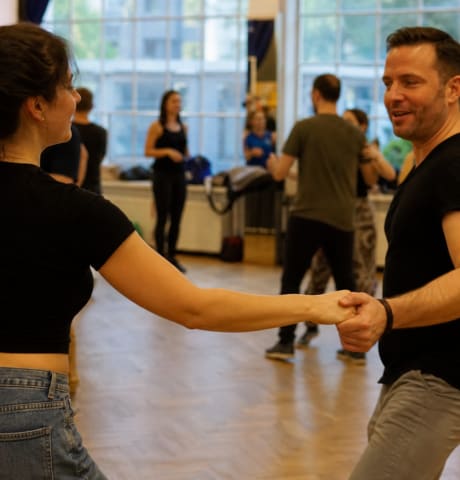
A test result is your signal to start trying things out without any pressure to perform. In Cologne, almost all studios and clubs offer open trial classes. Use these offers to get to know the teaching style, the music volume, and the crowd on-site before you sign a fixed contract. Pay attention to how the instructors teach basic steps and whether beginners without a fixed partner are easily integrated.

If you have decided on a partner dance, you do not necessarily need to show up as a pair. The Cologne scene usually rotates in beginner classes, so you will automatically dance with different people. If you are specifically looking for someone for fixed course times in advance, our guide on finding a dance partner in Cologne will help you easily. In addition, the editorial overview of Cologne dance styles gives you in-depth insights into special subcultures from the Rhineland to international guest workshops.

Frequently Asked Questions

  1. No, in most beginner courses for couple dance in Cologne, the dancers rotate regularly. If you are still looking for fixed partners for courses, you can use communities like udansa before the course starts.

Dance courses for beginners in Cologne

Choose your course style and try out your favorite right in your area.

View all matching courses

Dancing in Cologne connects people right in the neighborhood

Compare current beginner courses in Cologne's neighborhoods and find dance partners who share exactly your pace.

Dancing in Cologne connects people right in the neighborhood

Read more