Milonga etiquetteFind a dance partner in Cologne

Tango community in Cologne: find a partner and etiquette

5 minutes
In a nutshell
  • At milongas in Cologne, invitations are made discreetly via eye contact and a nod from a distance, known as cabeceo.
  • Dancing always takes place in blocks of three to four songs by the same orchestra, which are separated by a short musical pause.
  • Maintaining the line of dance counter-clockwise on the outer lane protects all couples from collisions.
  • If you want to decline an invitation, look away deliberately or do not look back.

At a milonga, there are unwritten rules that often intimidate newcomers, but give dancers enormous freedom. Those who read the silent signs of the scene will quickly find their way onto the dance floor.

DefinitionCabeceo

Cabeceo refers to the traditional way of asking someone to dance in Argentine Tango through intentional eye contact and a slight nod of the head from a distance. This non-verbal invitation prevents public rejections and protects the privacy of both dance partners.

How the Cologne milonga community works

Anyone entering a milonga in Cologne experiences a social world of its own. Unlike casual parties, you do not simply ask someone to dance with a pat on the shoulder or loud shouts on the dance floor. The Cologne tango scene maintains traditional rules of conduct that ensure protection, clarity, and an undisturbed atmosphere. Making contact happens quietly, but by no means in a distant way. Anyone who understands the rituals will feel welcome from the very first evening and avoid typical faux pas when joining the local community.

The foundation of social tango is respect for the couple dancing and the space on the dance floor. In Cologne, experienced dancers often meet newcomers who have just finished their first course. To ensure that encounters are on equal terms, eye contact serves as the most important means of communication. Looking around signals a readiness to talk or a desire to dance, while looking away means a clear no without any awkward explanations. This keeps the atmosphere relaxed and non-binding for everyone involved.
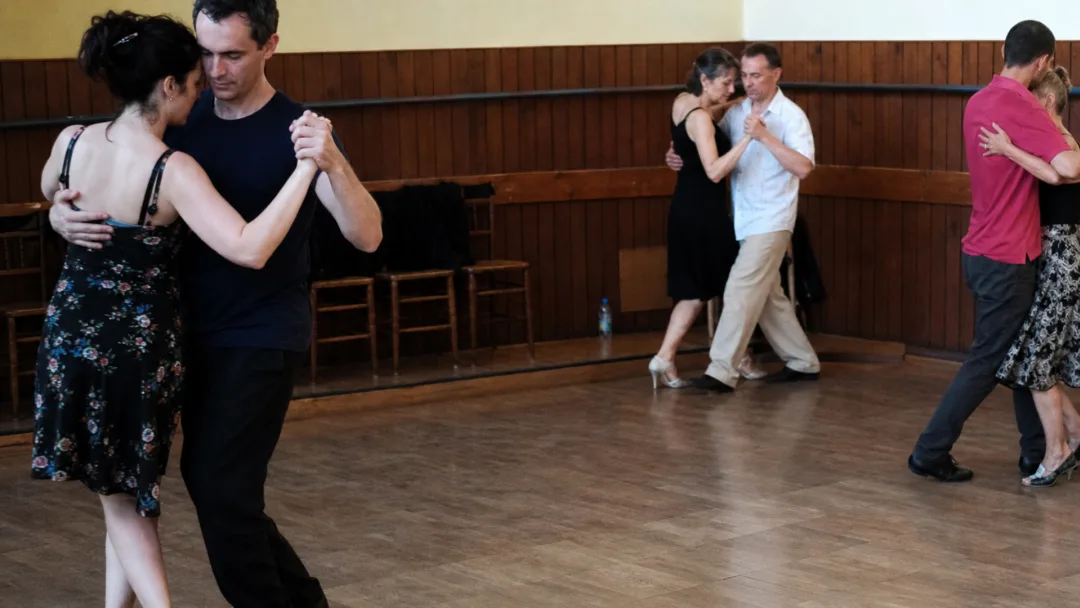
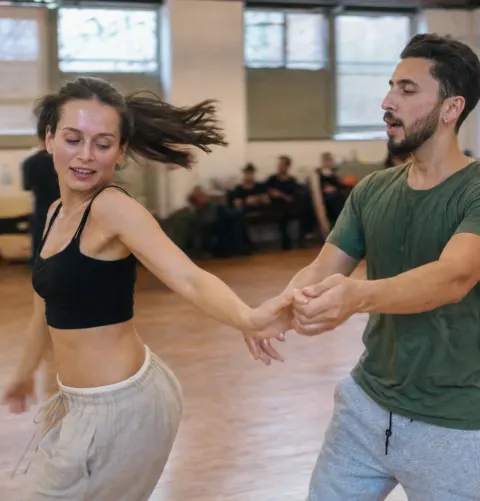
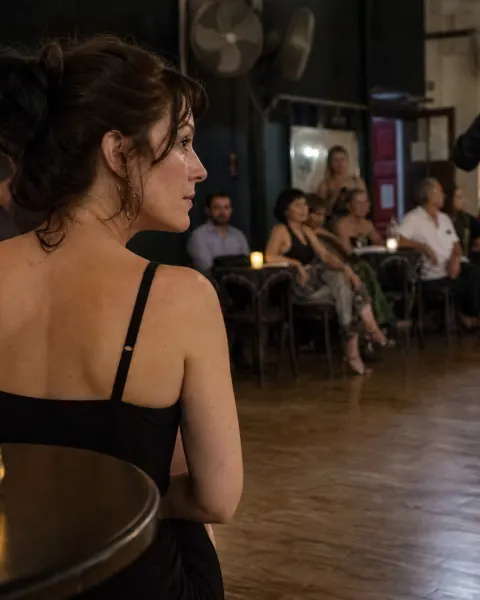
Eye contact across the tables decides the next dance at a milonga, even before the first step is taken.

Asking to dance without words through eye contact

Probably the most important code at every milonga worldwide, and also in the Cologne scene, is the invitation from a distance. Instead of approaching a table and embarrassing someone in front of witnesses, leaders and followers seek eye contact across the room. Only when this eye contact is held and confirmed with a small nod of the head is the invitation considered accepted. The leader goes to the follower's table, picks them up, and accompanies them to the edge of the dance floor.

This process is often misunderstood by beginners as elitist. In truth, the ritual protects both sides: anyone who needs a break looks to the side or at their glass without having to offend anyone. No one has to justify themselves out loud, and no one receives a visible rejection in front of the entire group. If you are looking for a suitable companion for regular practice evenings, you can search specifically for a Tango dance partner in Cologne on udansa to deepen the basics together beforehand.

Dance floor etiquette: recommendations and no-gos

Etiquette at the milonga

  • Initiate invitations exclusively via eye contact from a distance
  • Maintain the flow of dance on the outer lane in a counter-clockwise direction
  • Dance a started tanda together until the end
  • Only offer warm thanks after the last song of the tanda

Wrong at the milonga

  • Walking directly to the table in the middle of the room and asking verbally
  • Pushing backwards against the line of dance or cutting off couples
  • Leaving the dance partner standing in the middle of the block after only one song
  • Saying thank you after every single song and causing confusion

Discover Tango courses in Cologne

Find the right course or workshop in Cologne to learn your dance technique and social dancing.

Tango thrives on mindfulness in the room: whoever feels the music and leaves space for other couples will be welcomed with open arms at every milonga.

Dance instructor for Argentine Tango

Tandas, cortinas, and the flow on the dance floor

A tango evening is musically structured into blocks. In Cologne, it is classic to dance a series of three or four songs by the same orchestra with the same person. In between, a short piece of pop music, jazz, or world music plays, the so-called cortina. It clears the floor completely and gives everyone involved the opportunity to say a warm thank you and escort their dance partner back to their seat. Leaving the dance floor early in the middle of a series is considered impolite, unless boundaries have been crossed.

The spatial arrangement also follows fixed rules. Dancing takes place in concentric lanes counter-clockwise, with the outer lane maintaining a steady flow. If you are joining, only merge after making eye contact with the approaching couple. If you are interested in the historical depth of the dance, you will find exciting exhibitions on stage dance and the art of movement at the German Dance Archive Cologne. When looking for a partner in the city, it also helps to first take a seat at the edge of the milongas and let the music sink in.

The two roles in a silent dance invitation

Leading

Initiating the cabeceo

Sending the invitation from a distance

Look for eye contact across the room and give a slight nod when it is returned. Then, go to pick up your dance partner directly at her seat and escort her to the dance floor.

Following

Accepting the invitation

Returning or ignoring signals

Only return eye contact if you are genuinely interested in the next dance, and confirm the invitation with a smile or a nod. If you are exhausted, consciously let your gaze wander past other tables.

Frequently Asked Questions

  1. You decline an invitation by not making eye contact in the first place or by looking away. If someone approaches you directly anyway, you politely say that you are resting at the moment. You then consistently sit out these tandas.

Mary De Lucaudansa editorial team ·
Share
Know-how for the floor

From the guide

View all articles