Competitive sports4 minutes

Competitive dance in Cologne: Find ambitious partners

By Bernhard De LucaUpdated

In short
  • Competitive dancing in Cologne requires a clear athletic commitment to fixed training times, license fees, and regular training for adjudicators.
  • A successful tournament duo is based on compatible height, a comparable level of technique, and matching goals for promotion from the D to the S class.
  • Before the first trial session, both sides should transparently compare their weekly time budget as well as their willingness to take private lessons and travel to tournaments.
  • A structured trial session in the club hall with trainer feedback reveals harmony and athletic potential faster than just free dancing.

Competitive dancing means high-performance sports, discipline, and absolute reliability on the dance floor. If you want to take the step into the competitive scene in Cologne, you need a partner who shares your athletic ambition, training schedule, and financial commitment.

DefinitionStarting class

In organized dance sport, starting class refers to the performance-based classification of a dance couple from D to S. Advancement is based on a fixed point system through placements at official association tournaments.

Competitive dance in Cologne requires clear common goals

Cologne is one of the most active strongholds for organized dance sport in all of North Rhine-Westphalia. Anyone who moves on from classic recreational dancing here and wants to enter the world of competitive dance will quickly realize: ambitious competitive dance places completely different demands on a duo than a casual weekend dance group. What counts here are precisely coordinated training times, shared athletic goals, and the willingness to refine technique, stamina, and posture several times a week.

The search for a suitable competitive dance partner in Cologne therefore requires a clear profile. In large clubs like the traditional Tanzsportzentrum or specialized clubs between Lindenthal, Porz, and Nippes, couples train from the D-class to the top S-class. Decisive for a successful partnership is not only the dancing level, but equally physical compatibility: height, stride length, and basic muscle tension must harmonize so that leading impulses in Ballroom or Latin dance take effect without delay.
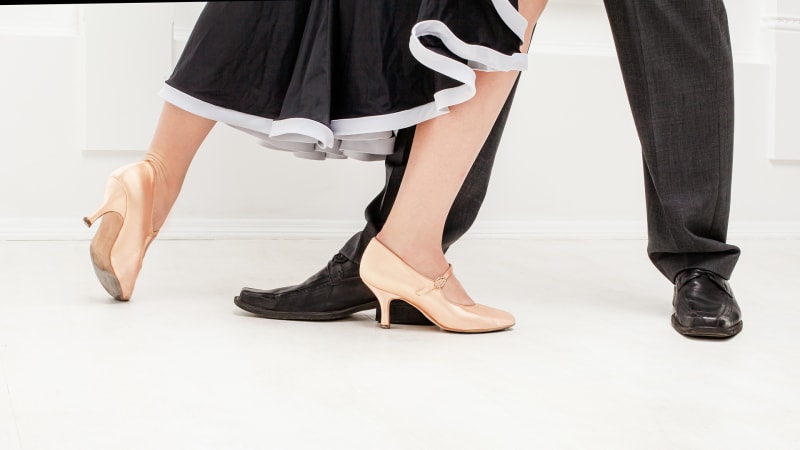
Feet and shoes of a dancing couple during a rehearsal for Latin and ballroom dances
On the competition floor, milliseconds determine posture, dynamics, and the shared axis in space.

Honestly align effort and budget from the start

A common problem when looking for a dance partner in competitive sports is the discrepancy between expectations and reality. While casual hobby dancers often choose based on chemistry and spontaneous fun, forming a tournament couple is more like a sports partnership. If you are aiming for the D-class in Cologne or are already collecting points to move up to the C or B-class, you need to lay your budget and time availability on the table from the very beginning.

Private lessons with licensed club coaches, entry fees for DTV tournaments, suitable tournament attire, and travel to championships in NRW require significant investment. If one partner aims for five training days per week, but the other can only spare two evenings, the partnership usually fails after just a few weeks. If you want to progress ambitiously, you should therefore define your framework conditions in a binding and realistic way before your first visit to a dance hall in the Cologne dance sports scene.

Successful partner search in competitive dance

How to make the partnership work

  • Record training goals, competition class, and weekly hours in writing beforehand
  • Test basic elements without music during the trial session
  • Openly state your willingness to pay for private lessons and tournament costs
  • Ask the club trainer for a neutral assessment early on

Typical sources of error

  • Training out of pure sympathy without sharing athletic goals
  • Ignoring serious deficits in height or technique
  • Concealing financial expenses for licenses and clothing
  • Taking feedback from your partner as a personal attack

In competitive dance, you are not looking for a dance partner for pleasant evenings, but a reliable team partner for shared athletic success.

Competitive coach for Standard and Latin, Cologne

Structure during a trial session creates immediate clarity

Trial dancing in competitive sports follows fixed rituals and differs fundamentally from meeting someone at a social dance. Usually, dancers arrange a two-hour training session in a Cologne club hall. It makes sense to first test the basic techniques without music: How does the center of gravity feel during a change, how does the resistance grip work in Latin, and is the balance in the standard frame correct during fast turns?

It is often worth involving the club coach or home coach for the second half of the trial session. A neutral, trained eye from the outside immediately recognizes whether existing error patterns match or block each other. If both sides can speak openly about feedback after the training without taking criticism personally, the foundation for a long-lasting tournament duo on the Cologne dance floor is laid.

Class levels in a sporting comparison

Development

Basics and compulsory sequences

Introduction to D and C classes

Focus on basics, association tournaments and systematic point collection. The training focuses strongly on exact step sequences, footwork and basic rhythm under the supervision of licensed club trainers.

Peak

Individual choreography

Ascent to the S-class

Maximum dynamics, individual choreographies, and national championships. Here, athleticism, charisma, and the finest nuances in leading and momentum transfer dominate in front of top-class panels of judges.

Frequently Asked Questions

  1. To get started in the D-class, you should plan for at least three to four fixed training sessions per week. In addition to guided club training, this includes independent practice as well as weekly sessions for conditioning and strength building.

Tournament training and courses in Cologne

Find guided training groups and preparation courses for your start in Cologne's tournament dance scene.

View all matching courses

Find your match for competitive dance

Meet ambitious dancers on udansa in Cologne who share your skill level and want to train specifically for the next tournament.

Find your match for competitive dance