Dance sportFind a dance partner in Cologne

Dance clubs in Cologne: Guidance for athletes

5 minutes
In a nutshell
  • Dance clubs in Cologne offer structured training for Standard, Latin, and recreational dance under the guidance of licensed instructors.
  • Unlike dance schools, the focus is on continuous practice through open training sessions and fixed performance groups.
  • Joining usually does not require a tournament goal, as recreational groups cover pure leisure sports without the pressure of competition.
  • Before signing up, interested individuals should check the available open training times and the floor quality on-site.

If you want to permanently improve your posture, technique, and stamina, you are looking for more than just a multi-week beginner course. A dance sports club offers you long-term training, professional instructors, and real athletic development on the dance floor.

DefinitionRecreational dance

In dance sports, recreational dance refers to regular, technique-oriented group training that serves physical fitness and sound dancing, without aiming for official tournaments.

Non-profit club structures for real training

Anyone dancing with athletic ambition in Cologne will quickly come across the term dance sports club. In contrast to private course providers, clubs operate on a non-profit basis and are integrated into umbrella sports associations. The main focus here is not on short entertainment blocks, but on the continuous training of movement sequences, footwork, and posture over many months.

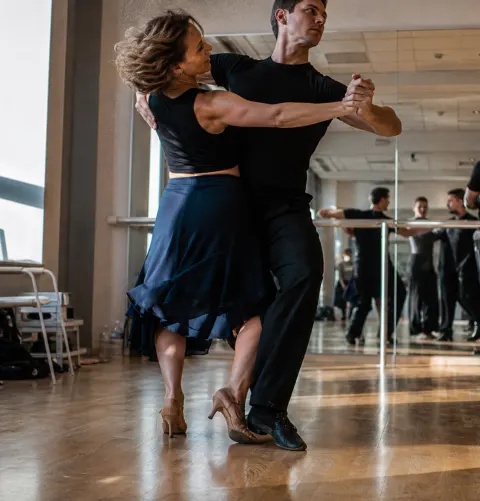
For active athletes, dance sports clubs in Cologne offer a solid structure of weekly group training and guided practice sessions. Instead of a fixed end date after eight weeks, a club membership often accompanies one's own development over years. Anyone specifically looking for a sound basic education in Ballroom or Latin will find training groups in the clubs that deal with the figures in technical depth.

Especially for dancers who want to switch from pure social dancing to regular sports, this structure offers clear advantages. You do not train in isolation as a single couple, but share the floor with couples of different skill levels. To check in advance which dance orientation works best in everyday life, a dance style test often helps for an initial self-assessment.

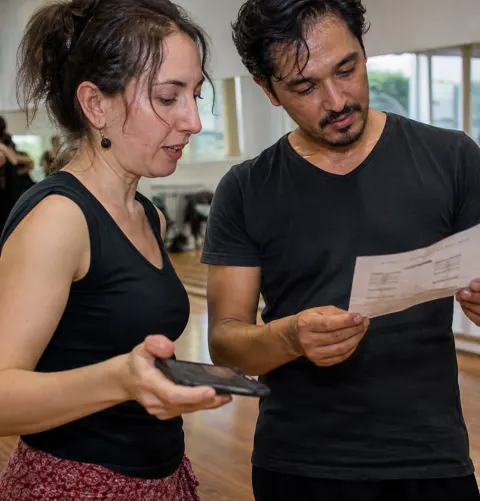
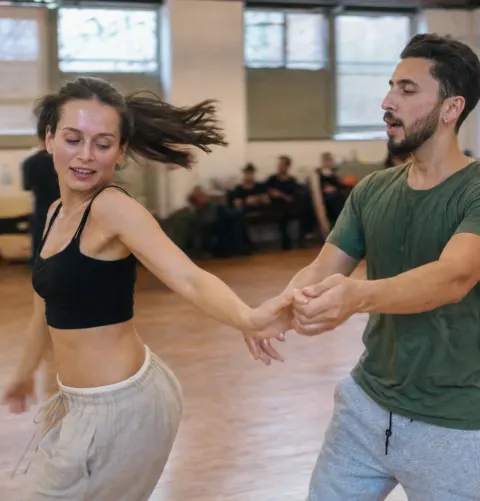
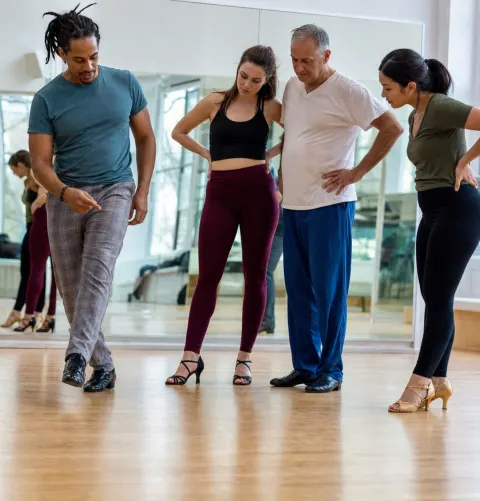
On the open floor, you practice the learned figures independently until your posture and rhythm are second nature.

Combining recreational sports and free practice

The training landscape in a dance club is usually divided into two core areas: performance-oriented tournament sports and so-called recreational sports. If you are interested in recreational dance in Cologne, you benefit from professional guidance by licensed trainers without necessarily having to compete on weekends in a tailcoat or tournament dress.

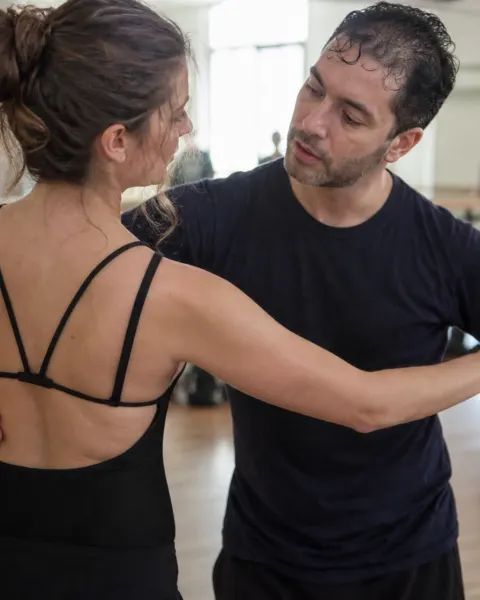
A typical training schedule in a dance club as a Cologne association combines structured trainer lessons with free practice. While the trainer explains new sequences or corrects posture details, free practice serves to deepen what has been learned on your own responsibility. This separation is the most important building block for measurable progress on the dance floor.

Before you commit, it is worth taking a targeted trial session. How such an introduction works and what trainers look for in new dancers is explained in the overview on the topic of trial training. When visiting the hall, pay particular attention to the sprung floor, the hall occupancy, and the atmosphere among the club members.

What matters when looking for a club

This is how

  • Ask about available practice times without instructor guidance in advance
  • Look for a joint-friendly sprung wooden floor
  • Use a trial session to assess the group level
  • Ask specifically about the instructor's license and training background

Don't do this

  • Sign a contract without a trial lesson first
  • Walk onto the club's dance floor in dirty street shoes
  • Expect the instructor to teach new party moves every lesson
  • Completely ignore club work and club life

Dance courses and club training in Cologne

Find suitable training groups and dance offers directly in your city.

In a club, you don't just learn steps, you understand how your own body functions mechanically in space and with a partner.

Dance sport coach

Criteria for choosing the right club

Choosing the right training venue determines whether you will stick with it in the long run. For dance sport in Cologne clubs, two criteria are decisive: the qualifications of the coaching team and the availability of free training space. Ask specifically in advance at what times the hall is open for independent practice without instruction.

The topic of dance partnership also plays a central role. Many clubs welcome individuals in their recreational sports groups, but a fixed partner is an advantage for targeted technical training. If you are still looking for the right match, you can connect with other active dancers on udansa to start club training together.

Dance sport requires patience and consistency. In addition to the classic disciplines of Ballroom and Latin, many clubs also have sections for recreational dances such as Discofox or West Coast Swing. If you build your training on a solid foundation and get a clear picture on site, you will find exactly the sporting environment that suits your goals.

Two paths in the dance club

Recreational sports

Recreational training with high standards

Technique and fitness without competition pressure

Here you train all ten dances with a focus on precise technique, musicality, and posture, but without the pressure to compete against other couples in tournaments. Ideal for sport-oriented recreational dancers.

Tournament sports

Focus on placements

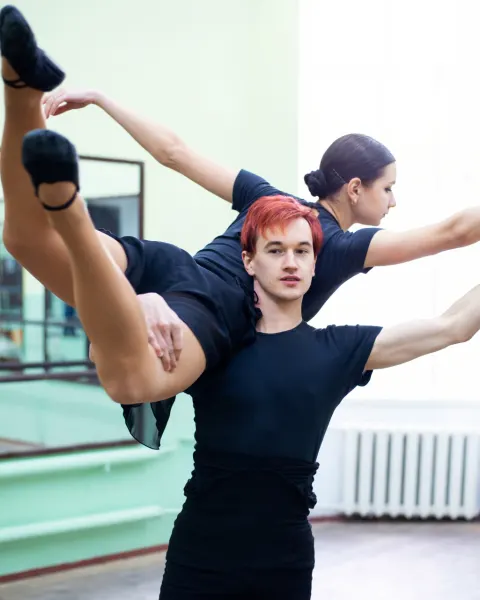
Performance development for competitions

Training is aimed directly at competition classes, judges, and tournaments. Fixed squads, private coaching sessions, and meticulous choreography work define this path, which requires a high time commitment.

Frequently Asked Questions

  1. No, most dance clubs run special recreational groups for couples who train purely for the joy of movement and physical fitness. Switching to competitive dancing is a voluntary option, but by no means mandatory.

Mary De Lucaudansa editorial team ·
Share
Know-how for the floor

From the guide

View all articles