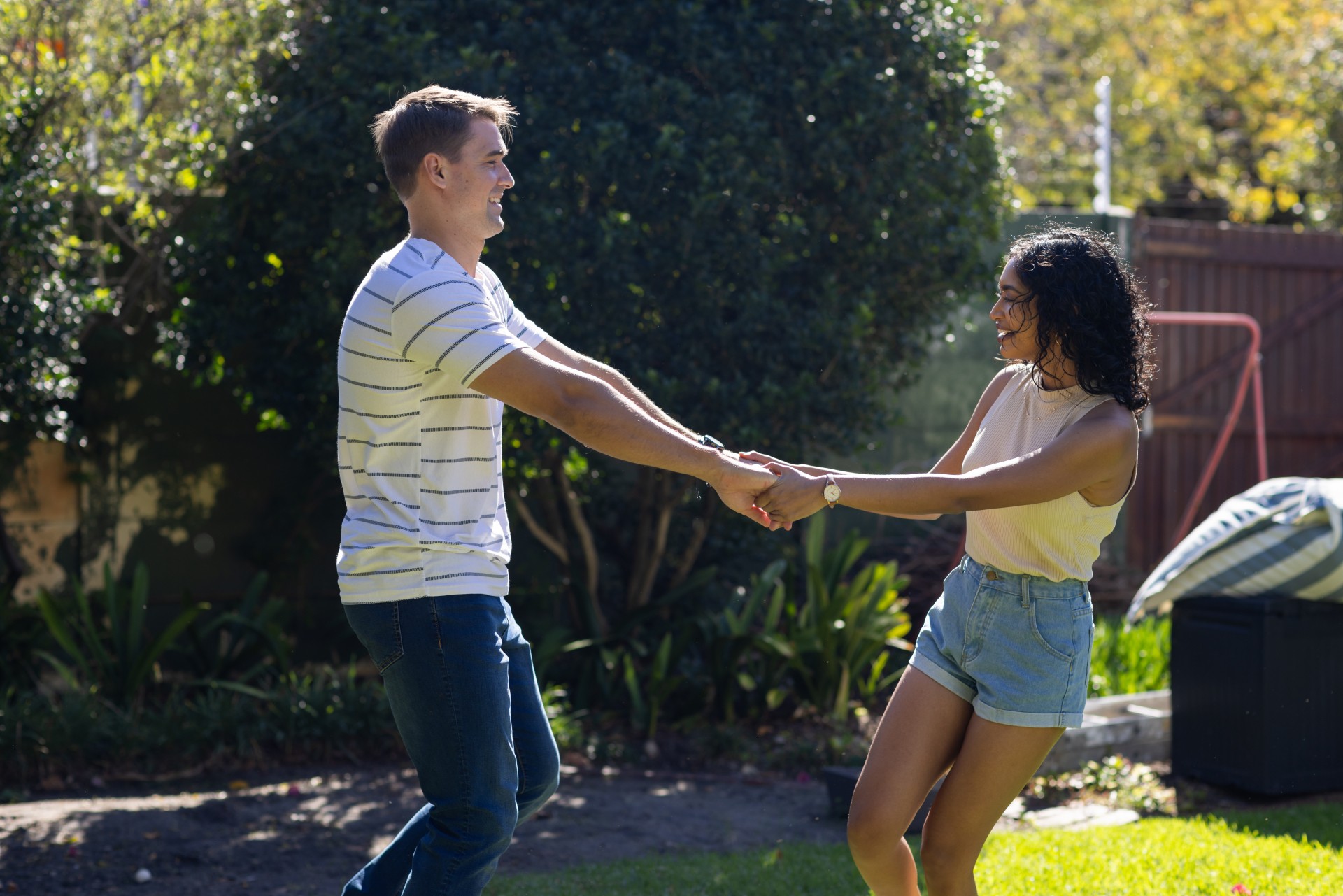
Dance etiquette5 minutes

Social dance etiquette: The rules for relaxed dancing

In short
  • Social dancing is based on mutual respect, mindfulness, and adapting to the level of your dance partner.
  • Asking someone to dance is equally open to all genders, and a polite no is accepted without justification.
  • Unsolicited feedback and corrections while dancing are taboo, as fun and community are the priority.
  • In the event of collisions on the dance floor, pause briefly and apologize kindly, regardless of who is at fault.

Anyone stepping onto the dance floor at a social dance party enters a world full of dynamics and non-verbal signals. Only by understanding the unwritten rules does the evening become a carefree experience for everyone involved, and udansa helps you navigate this.

Definition
Social Dance Etiquette

Social dance etiquette refers to the set of unwritten rules of conduct, forms of politeness, and safety aspects that enable harmonious and respectful interaction on the social dance floor.

What distinguishes social dancing from dance school

Social dancing differs fundamentally from classical partner dance in dance school classes or at formal balls. While fixed choreographies and rigid sequences dominate there, the open dance floor thrives on spontaneity, improvisation, and the constant changing of dance partners. A successful evening is not based on flawless steps, but on mutual attentiveness. The social dance etiquette is not a rigid set of rules, but a collection of unwritten laws that ensure everyone present feels safe and comfortable.

The most important foundation of dance floor etiquette is respectful interaction with one another. Since people of the most varied experience levels meet during social dance, empathy is required. Advanced dancers adapt to the level of their partner instead of forcing complicated figures. If you are wondering how to best prepare yourself, a look at the guide Social dance clothing & shoes: The practical guide will help you to be perfectly prepared for the dynamics of the community in terms of clothing as well.

Ein Mann und eine Frau tanzen Bachata auf einer Tanzfläche bei einer lateinamerikanischen Abendveranstaltung
Eye contact creates the connection: whoever leads and follows attentively dances in harmony with their partner and the entire dance floor.

The art of asking to dance and the right to say no

Asking someone to dance has changed significantly in the modern social dance scene. The traditional distribution of roles has long been broken: anyone can ask anyone else to dance, regardless of gender. A friendly gesture, eye contact, and a simple "Would you like to dance?" are perfectly sufficient. Just as important for healthy social dance etiquette, however, is the acceptance of a no. Saying no when dancing is absolutely legitimate and does not require a detailed justification.

A "No, thank you" should never be taken personally. The reasons are varied: exhaustion, thirst, an unsuitable song, or simply the need for a short break. A polite refusal is one of the essential social dancing rules. Anyone who declines an invitation should, out of courtesy, not dance that specific song with anyone else. As soon as the music changes, the dance floor is open for new encounters again.

The right etiquette for social dancing

Do's

  • Make eye contact and smile
  • Adapt to your partner's level
  • Accept a no without complaining
  • Say thank you politely after the song

Don't do this

  • Forcing moves without asking
  • Commenting loudly on your partner's mistakes
  • Pressuring or holding onto your dance partner
  • Leaving the dance floor without a word
udansa tip

If you are new to a scene, just briefly introduce yourself as a beginner when asking someone to dance. This immediately takes the pressure off you, and your partner can adjust to you perfectly from the very beginning.

A good social dancer is not defined by the number of moves they know, but by how safe and comfortable their partner feels in their arms.

Dance instructor for Salsa and Bachata, Cologne

Mastering criticism and collisions with elegance

A successful evening at a tanzknigge party is determined by the direct interaction during the song. The golden rule is: no unsolicited feedback on the dance floor. Anyone who corrects or lectures without being asked destroys the lightness of the moment and makes their partner feel insecure. The dance floor is a place for experiencing, not for teaching. Constructive exchange belongs in the dance studio, not in social practice.

Should a collision occur in the dense crowd, the rule is: stop immediately, apologize, and make eye contact, even if you are not at fault. The safety of everyone involved is more important than any figure, no matter how beautiful. Anyone who internalizes these basics will master every event with flying colors. If you would like to assess your own skills in advance, the guide on assessing your own dance level will help you to position yourself realistically on the dance floor and get started in a relaxed way.

Two roles on equal footing in partner dance

Leading

The inviting lead

Providing safety and structure

The leader sets the direction, keeps an eye on the space on the dance floor, and protects the follower from collisions. They adapt their moves to their partner's level.

Following

Active following

Receiving and shaping impulses

The follower engages with the impulses, actively interprets the music, and trusts the lead. They use the offered space for their own styling elements.

Frequently Asked Questions

  1. Yes, absolutely. In the modern social dance scene, it is completely normal and welcome for women to ask men or same-sex partners to dance. The traditional distribution of roles no longer exists in social dancing.

Social dance events near you

Find the best parties and workshops to apply your new knowledge directly on the dance floor.

View all matching events
udansa community

Dancing together without misunderstandings

On udansa you meet like-minded people who appreciate the unwritten rules of social dance just as much as you do. Find your next events and dance partners here who perfectly match your rhythm.

Sources

Based on the established codes of conduct of international social dance communities and the standards of leading German dance schools, as of August 2026.