
Find your rhythm together
On udansa you connect directly with like-minded people from the scene. Find your perfect training partner, discover Mambo courses in your area, and plan your next visit to a social together.


By Mary De LucaUpdated
On udansa you connect directly with like-minded people from the scene. Find your perfect training partner, discover Mambo courses in your area, and plan your next visit to a social together.
Mambo socials and congresses are full of energy, fast rhythms, and passionate dancers. To ensure that being on the dance floor is a pleasure for everyone, unwritten rules provide harmony and safety in the hustle and bustle.
Mambo Social Dancing Etiquette refers to the sum of unwritten rules of conduct, forms of politeness, and safety guidelines at Salsa and Mambo dance parties. These rules ensure a respectful, injury-free, and joyful experience for all dancers on the floor.
A Mambo social is fundamentally different from a traditional ballroom dance event. While fixed dance couples often spend the entire evening together there, the Mambo scene thrives on constant rotation. The heart of Mambo social etiquette is the openness to dance with everyone, regardless of their level. At a social, it is absolutely common and encouraged for both leaders and followers to actively ask others to dance. A simple smile and an outstretched hand are usually enough.
If you would like to ask someone to learn Mambo or to dance at a party, you should always do so politely and without being pushy. A "Would you like to dance?" is the standard. A rejection is extremely rare in Mambo and is usually only given if the partner is exhausted, needs a drink, or the song is simply too fast. Never take a refusal personally, but thank them kindly and simply ask again later in the evening.

The dynamics on a Mambo dance floor are fast-paced. Quick turns, sudden changes of direction, and expansive styling elements demand the full attention of everyone involved. The most important of the Mambo dance floor rules is therefore: always adapt your movements to the available space. At a crowded social, there is no room for expansive choreographies or risky drops. Good leaders protect their followers by proactively preventing collisions and keeping their arms close to their bodies.
Should a collision occur despite all caution, an unwritten law applies in the Salsa and Mambo scene: apologize immediately, even if you are not at fault. A brief exchange of glares or even accusations will destroy the relaxed atmosphere of the party. If you notice that the dance floor is extremely crowded, adjust your step size and refrain from wild solos, so-called shines, so as not to endanger those around you.
Etiquette
Avoiding mistakes
At a social, we don't dance for the gallery, but for our partner. Anyone who internalizes this doesn't need to worry about collisions or misunderstandings.
A Mambo song can be energetic and long. However, the shared dance experience does not end with the final drumbeat. It is good etiquette to thank each other warmly after the dance. A simple "thanks for the dance" and a quick hug or a high-five are standard. It is rude to simply leave your partner standing on the dance floor without a word after the song. Instead, accompany your partner at least a few steps back to the edge of the floor.
The special thing about Mambo is also the rhythmic sensitivity. Many dancers appreciate the subtle difference between the various styles. If you want to dive deeper into the subject, a look at the Salsa On 1 vs. On 2 comparison helps to understand the rhythmic structure even better and to shine on the social dance floor. Always respect the level of your partner and adapt your figures so that the dance becomes a pleasure for both sides.
Acting with foresight and protection
The leader is responsible for safe navigation on a crowded dance floor. They adapt the figures to the available space, protect the follower from collisions, and provide clear yet gentle signals.
React mindfully and use the space available
The follower maintains body tension and reacts sensitively to the signals. Personal styling elements and shines are only inserted when the space allows it and the lead is not blocked.
Both leaders and followers are allowed and encouraged to ask. A simple smile, eye contact, and an outstretched hand with the question of whether you would like to dance are absolutely common in the Mambo scene.
Adjust your step size immediately and refrain from expansive arm movements, multiple turns, or shines. Keep your partner close to you to avoid collisions with other couples in the tight space.
A refusal should only be given for valid reasons, such as exhaustion, injury, or thirst. Decline politely, say thank you, and offer to dance together later to a different song if appropriate.
Fresh clothes to change into, a small towel, chewing gum, or deodorant spray are essential. Since you get very close while dancing Mambo, good personal hygiene is a basic sign of respect toward your dance partners.
Find the best parties and socials to put your new etiquette skills into practice.
 festivaludansa tipBachata
 festivalSalsa
 festivalSalsa
 Learn to dance Mambo: The perfect guide for beginnersLearn how to master the Mambo basic step as a beginner, unlock the secret of On 2 timing, and shine with the right technique.
 Salsa On 1 vs. On 2: The rhythmic differenceSalsa On 1 or On 2? This guide explains the rhythmic difference and how to hear the timing for both styles perfectly.
 Find a Mambo dance partner: Your community guideMambo is pure energy and joy of life. Learn how to dress optimally for social dancing and easily find the perfect dance partner for fiery Mambo nights.
 Your first Mambo social: A step-by-step guideTaking the step from dance class to your first Mambo social takes courage. With our practical guide, you can prepare perfectly to enjoy the evening completely stress-free.
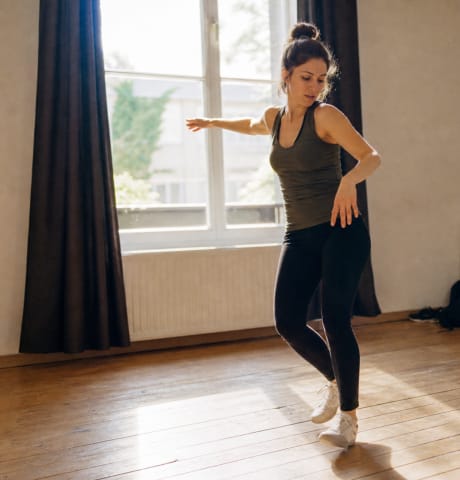 Mambo dance shoes & clothing: The perfect outfitThe right gear is key to dynamics and safety when dancing Mambo On 2. Learn which shoes and outfits guarantee maximum spin capability.
 Ready for Mambo Social? Take the self-testAre you ready for free-style Mambo Social dancing or should you keep practicing in class? Take our quick self-test and find out.
 Dancing Mambo in a small town: How to connectIf you want to dance Mambo outside of big cities, you often face empty dance floors. With the right strategy, you can still find like-minded people and build your own small community.
 Mambo Community Trends 2026: What's moving the sceneThe mambo community is evolving rapidly. Learn everything about the most important trends for 2026, from new marathon formats to musical developments.
 Organizing a Mambo social: 5 steps to your eventDo you want to organize your own Mambo social? With our simple step-by-step guide, you can plan a successful practice night for your local community in no time.