
Dancing together into marital bliss
Create your free profile on udansa now and find the right dance course or experienced instructors in your area to prepare your wedding dance in style.



By Bernhard De LucaUpdated
Create your free profile on udansa now and find the right dance course or experienced instructors in your area to prepare your wedding dance in style.
Classical music turns your opening dance into a majestic event. Find out which orchestral works provide the perfect setting for your glamorous performance and how to choose the right piece.
Historical authenticity
All selected pieces of music come exclusively from the Classical, Romantic, or Baroque eras.
Danceability for couples
The tracks feature a clearly danceable beat that is suitable for ballroom dances.
Sonic brilliance
Only orchestral recordings of high acoustic quality were considered for udansa.
Independent selection
This recommendation list is completely independent and has not been influenced by sponsorship.
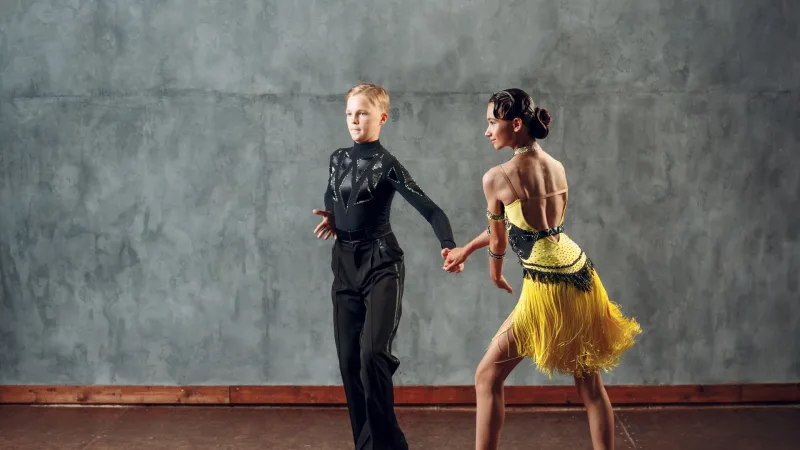
Dmitri Shostakovich, Suite for Variety Orchestra, 3:40 minutes
This world-famous work by Dmitri Shostakovich captivates with its melancholic and at the same time highly elegant melody. It is the perfect, medium-tempo waltz for couples looking for a dramatic performance.
Johann Strauss II, Opus 314, approx. 9:00 minutes (shortening recommended)
The absolute symbol of the Viennese Waltz by Johann Strauss the Younger. Its majestic introduction transitions into the unmistakable, sweeping three-quarter time that sets the entire ballroom in motion.
Pyotr Ilyich Tchaikovsky, ballet suite, approx. 6:00 minutes
Pyotr Ilyich Tchaikovsky's masterpiece transports the wedding party into a fairytale world. The floating harp sounds and the rising strings provide a wonderful foundation for wide, flowing movements.
Jean Sibelius, Opus 44, approx. 5:00 minutes
A beautiful, sustained piece by Jean Sibelius that radiates deep, emotional intimacy. Ideal for couples who want to present a slow, very soulful, and expressive dance.
Aram Khachaturian, Masquerade Suite, approx. 4:10 minutes
This piece by Aram Khachaturian brings a powerful, almost heroic touch to your opening dance. The dramatic crescendo of the orchestra is perfect for a choreographed, dynamic performance.
Choosing classical music for your wedding dance gives the opening moment an incomparable dignity. While modern pop ballads are often forgotten after a few years, the masterpieces of Tchaikovsky, Strauss, or Mozart carry a timeless elegance. These pieces were written for grand halls and orchestras. They unfold a rich, dynamic soundscape that immediately captivates your guests. Anyone who chooses such a piece opts for conscious grandeur instead of everyday pop melodies.
For the dance implementation, you should clarify in advance which dance style best suits your chosen piece. Classical compositions are usually based on a three-quarter time signature, which is excellent for the Viennese Waltz or the Slow Waltz. If you are unsure how to analyze the tempo, our guide on determining the beat for your wedding dance will help you. The majestic arcs of the strings and the precise accents of the brass instruments provide you with a clear structure while dancing, which gives you additional security, especially when you are nervous on your wedding day.
The classical compositions challenge you in different ways when it comes to dancing. While the fast, swirling melodies of the Strauss dynasty demand the spirited Viennese Waltz, the sustained pieces by Tchaikovsky or Bach offer space for the elegant Slow Waltz. A direct comparison of both styles helps you to correctly assess your own abilities. Feel free to take a look at our article Slow or Viennese Waltz for the wedding dance to find the right dynamic for you.
For the fast-paced Viennese Waltz, the world-famous waltzes by Johann Strauss II, such as The Blue Danube or the Emperor Waltz, are suitable. These pieces offer the typical, lively three-quarter time tempo.
Yes, Baroque pieces like Johann Sebastian Bach's Air from Orchestral Suite No. 3 are wonderful. They offer a calm, solemn tempo for a very elegant, slow entrance or a quiet wedding dance.
Classical orchestral works are often five to ten minutes long. It is recommended to professionally shorten the piece for your wedding dance to a danceable length of two to a maximum of three minutes.
Prepare for your big classic performance with professional support.
Couple danceLimbach-Oberfrohna · Germany
PaartanzkreisFriday · 18:15 · Oct 23
Limbach-Oberfrohna
BallroomMeißen · Germany
Tanzkreis | PROFESSIONALTuesday · 20:15 · Oct 27, 2026 - Jan 5, 2027
“Ein Haus für Vieles” - Saal Tanzkurse
Couple danceLimbach-Oberfrohna · Germany
Silberkurs für PaareSunday · 16:15 · Oct 25 - Nov 15
Limbach-Oberfrohna
 How to find the perfect song for your wedding danceFinding the perfect song for your wedding dance is a challenge for many couples. Our guide shows you how to make the right choice.
 Finding the beat for your wedding dance: It is that easyDo you want to find the beat of your wedding song to choose the right dance style? With our simple guide, you will learn step by step how to determine the beat and BPM of your song.
 Slow Waltz vs. Viennese Waltz for your wedding danceSlow Waltz or Viennese Waltz? We explain the crucial differences in tempo, technique, and style so your wedding dance becomes an unforgettable moment.
 Wedding dance songs: The perfect soundtrack for your momentChoosing the right wedding dance songs defines the atmosphere of your first dance. Discover how to use classic melodies, modern songs, and creative mixes perfectly for your big performance.How to find the perfect song for your wedding danceFinding the perfect song for your wedding dance is a challenge for many couples. Our guide shows you how to make the right choice.Finding the beat for your wedding dance: It is that easyDo you want to find the beat of your wedding song to choose the right dance style? With our simple guide, you will learn step by step how to determine the beat and BPM of your song.
 Which wedding song is right for us? Take the quizFind out which musical style perfectly suits your wedding dance with our interactive quiz and get valuable tips for your big performance.
 The best modern songs for your wedding danceAre you looking for modern music for your wedding dance? Discover our handpicked selection of the most beautiful pop songs and chart hits for a contemporary first dance.
 The most beautiful waltz songs for your weddingFind the perfect soundtrack for your first dance. Our curated selection of classic Viennese Waltzes and soulful Slow Waltzes, complete with precise beat counts, will help you make the right choice.
 Editing your wedding dance song: How to create the perfect mixDo you want to edit your wedding dance song? With our simple guide, you can create a professional mix for your opening dance in no time.