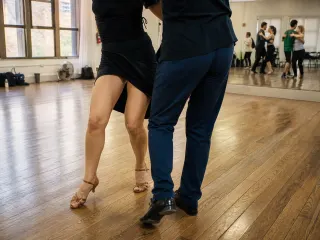
The program separates dancing from watching
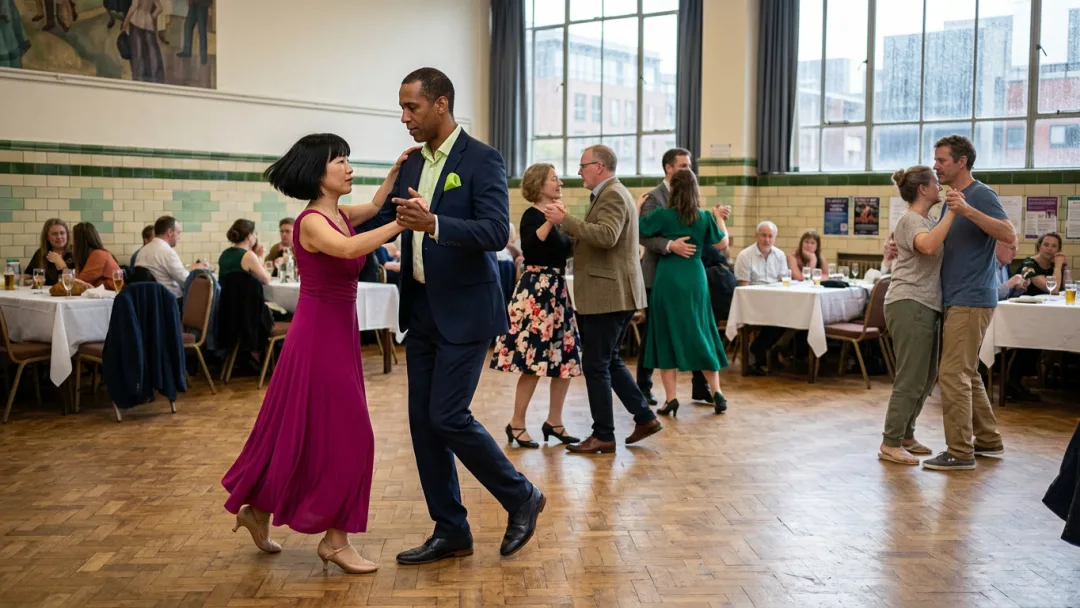
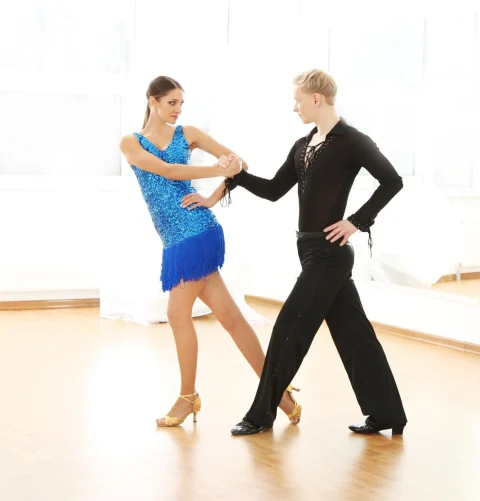
If you want to understand what a dance ball in Düsseldorf involves, three terms are particularly revealing: open dancing, show segment, and dance music. They refer to different parts of the experience. Open dancing is for guests on the dance floor. A show segment belongs to the performers. Dance music initially describes the musical function, without yet saying when or for how long you can dance to it.
An example announcement such as “reception, dinner, show, followed by dancing” describes a clear sequence: your own dancing starts after the other program items. “Dance sets between performances,” by contrast, describes a change of pace. Both formats can be festive, but they give your partner dancing a different place in the program.
A large dance floor does not erase this distinction. During a performance, the same floor may be reserved for the performers. You cannot determine how much time is available for dancing from photos of the hall. If no times are listed, the amount of time remains unclear.
In Düsseldorf's carnival culture, costume balls featuring speeches, songs, and performances by dance groups were part of the festivities. This explains why the name “ball” can also refer to an event with a substantial stage program. A formal ball is therefore neither automatically a dance party nor simply a dance performance with show elements.