


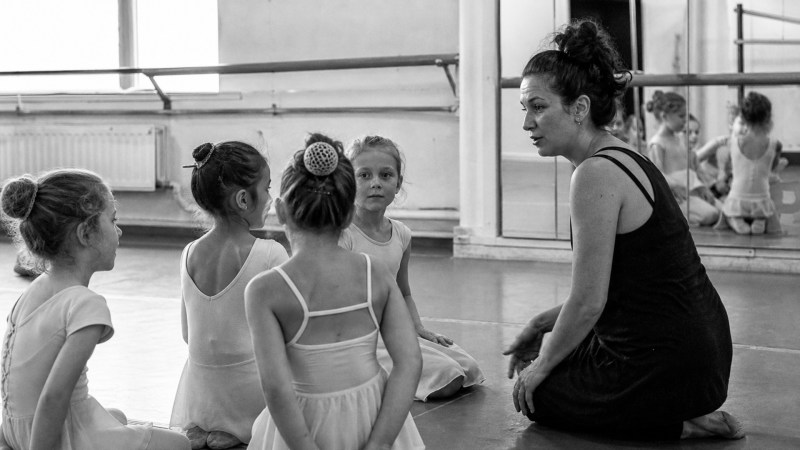
How classical music guides children's movement
Classical music is much more than just an acoustic background in dance class. It acts as an emotional guide that helps children intuitively grasp the dynamics of movement. When the violins flow gently, little feet glide across the floor almost by themselves, and when a powerful brass motif sets in, steps transform into proud leaps. This close connection between hearing and motor skills not only trains musicality, but also helps to playfully build concentration in the room. If you want to experience how dance can be a wonderful outlet for restless children, you will find the ideal partner in the clear structures of the classical masters.
Especially at the beginning, it is not about rehearsing rigid choreographies. Instead, children learn to dance the stories behind the notes. A stormy crescendo becomes a swirling autumn wind, a quiet pizzicato of the strings becomes the cautious tiptoeing of a mouse. This pictorial translation of tones into movement is the foundation of creative children's dance and paves the way for later, more demanding styles such as classical ballet.


