Discover dance fun together
On udansa, you can easily find the right dance school for your child or great workshops where the little ones can get their first taste of the stage.

By Bernhard De LucaUpdated
On udansa, you can easily find the right dance school for your child or great workshops where the little ones can get their first taste of the stage.
A dance show is the biggest adventure of the year for the little ones. To ensure the applause in the spotlight remains untroubled, parents and organizers must defuse typical pitfalls in the background in good time.
Age relevance
All analyzed errors relate directly to performances with children aged 3 to 14 years.
Practical relevance
The proposed solutions have been tested in practice by experienced dance instructors and event organizers.
Independence
Only organizational and logistical planning errors were evaluated, without any commercial placement.

Show day, backstage area, all age groups
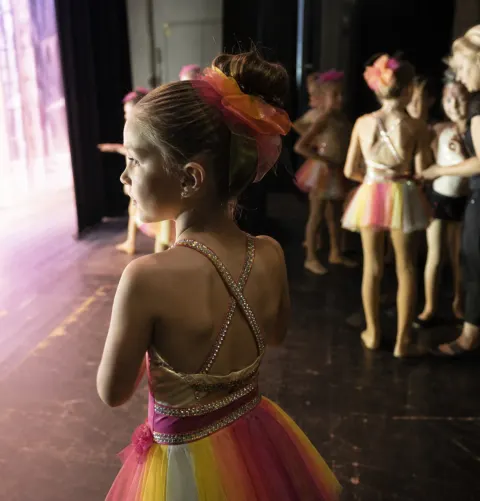
Children have a limited attention span. If they have to wait for hours before their performance in cramped dressing rooms, their excitement quickly turns into frustration or fatigue. Plan the schedule as compactly as possible.
Training phase, dance studio, beginners to advanced
Less is more on stage. Step sequences that are too difficult make children feel insecure, which leads to visible blocks. The choreography should be designed in such a way that it can be performed without errors even when nervous.
Preparation phase, digital/print, all parents
When parents do not know exactly when and where to drop off and pick up their child, chaos ensues in the foyer. A clear information letter two weeks before the show prevents misunderstandings and relieves the pressure on the organization team.
Show day, stage and entrances, technical team
Tripping hazards like loose cables or slippery floors lurk on stage. Without a thorough inspection and a safety briefing for the helpers, the risks of serious mishaps increase drastically.
Preparation phase, wardrobe, all dance styles
Elaborate costumes with many buttons, laces, or slipping elements are the nightmare of every quick-change break. Rely instead on elastic materials and simple cuts that allow for a quick change.
The day before or the morning of the show, stage, all groups
A dress rehearsal right before the actual show drains the energy children need. It is better to schedule the stage rehearsal for the day before or with a sufficiently large time gap before the main performance.
Before the show, control desk, technical team and management
When the sound fails or the lights blind the children, confusion is inevitable. A technical rehearsal without children, where entrances, exits, and music cues are tested precisely, is essential for a smooth performance.
A successful children's show stands or falls with the logistical preparation behind the scenes. Anyone who has ever experienced a group of excited seven-year-olds waiting backstage without clear guidance knows: this is where the success of the entire event is decided. Organizers must therefore assign fixed responsibilities early on and create a detailed schedule that includes enough buffer time for bathroom breaks and costume changes. To optimally support the young dancers, it is also worth taking a look at our tips on how parents can strengthen social behavior and team spirit through children's dance. A strong sense of community in the group starts during training and carries the children stress-free through any unforeseen delay on the big show day.
The schedule should allow for a maximum of two hours of lead time before the actual performance. Waiting times that are too long tire the children out, while less than an hour leads to rushing when changing clothes.
A supervision ratio of one adult chaperone for every five to six children has proven effective in practice. For very young groups under six years of age, a ratio of one to four is advisable.
Avoid small, loose accessories like hats, magic wands, or unattached hair bows. These are easily lost in the hustle and bustle and only distract the children during the choreography.
 Dance performance for kids: How to make the show stress-free
 Children's Dance Performances & Legal Requirements: Youth Protection & GEMA
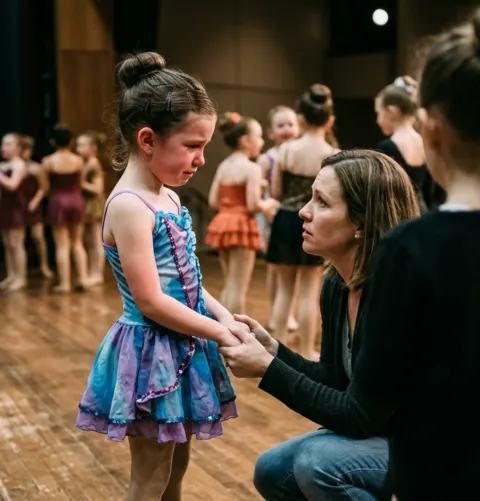 Dance performance: Helping children process failure
 Together on stage: How to host an inclusive children's dance show
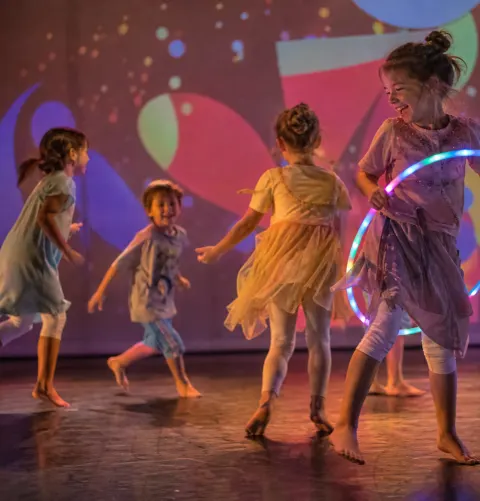 Kids Dance Show Trends: Modern Stage Ideas
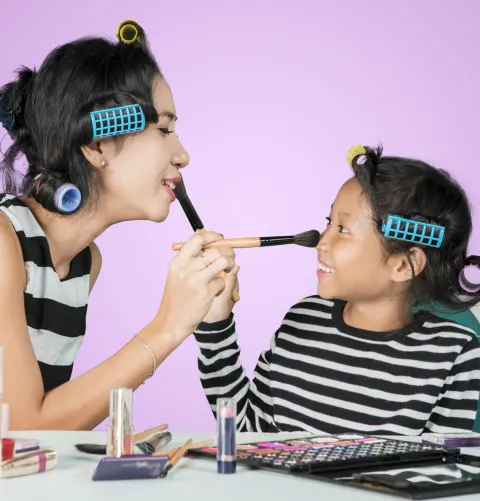 Dance performance: How to apply stage makeup for kids
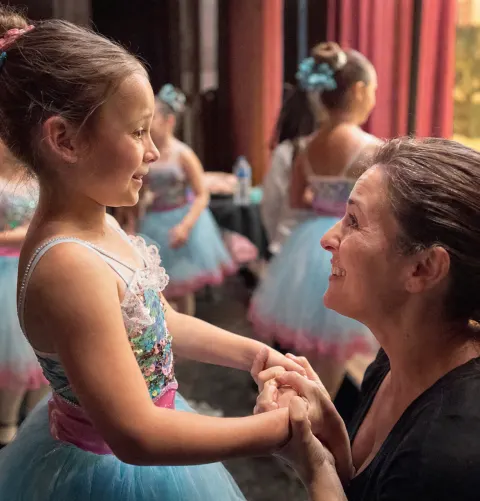 Fun over pressure: The role of parents during performances