

Conquer the stage together
On udansa, you can easily find the right dance school for your child, one that not only teaches technique but also gently fosters the joy of the big stage.


On udansa, you can easily find the right dance school for your child, one that not only teaches technique but also gently fosters the joy of the big stage.
A dance performance is a magical moment for children that stays in their memory for a long time. With the right support, the spotlight becomes an adventure instead of a stressful ordeal.
Stage fright refers to the nervous tension and anticipation before performing in front of an audience. In children's dance, this energy can be redirected into creative focus through targeted breathing exercises and positive reinforcement.
A dance performance for children is far more than just showing off learned steps. It marks a milestone where weekly training takes shape in the spotlight. During a children's dance performance, the little dancers transform into actors in a shared story. This experience boosts self-confidence and brings the group closer together. However, preparing for such a show requires sensitivity from instructors and parents, as the line between joyful anticipation and being overwhelmed is thin.
For the children, the focus is on the experience of presenting themselves before an audience and receiving applause as direct recognition for their efforts. For this to succeed, child-friendly preparation in dance must begin weeks in advance in the familiar studio. The choreography should be so internalized that the movements flow almost automatically, creating space for the emotional impact on stage.

A common misconception among adults is the assumption that a children's show must run flawlessly and be highly professional. Parents sometimes tend to project their own ambitions onto their children, which massively increases the pressure. However, a dance show for children and parents is not about dance perfection, but about the visible joy of movement and mastering a challenge together. Too much pressure beforehand can permanently damage the love for dancing.
Another mistake is the assumption that elaborate dance costumes for children will save the performance. Often, fabrics that are too tight or scratchy are more of a disruptive factor that robs them of their concentration. Make-up for a children's dance performance should also remain subtle and not disguise the children, but rather underline their natural charisma. The show is a success when the children feel completely comfortable in their own skin and their clothes.
Do it like this
Not like this
The most beautiful show is the one where you can see on the children's faces that they have forgotten the world around them and are simply dancing.
When preparation is designed to be stress-free and without pressure to perform, children take away a valuable lesson for life. They learn that feeling nervous before a presentation is completely normal and can be managed through structure and support. Mastering the show together brings the group closer and creates memories that last far beyond the actual day. A successful performance lays the foundation for healthy self-confidence in front of an audience.
To ensure this positive effect, parents should act as a calming influence on the day of the performance. A structured schedule, packed bags with plenty of water and healthy snacks, as well as arriving on time, take the rush out of the day. When the child feels that their parents are relaxed and unconditionally support every effort, stage fright during a child's performance quickly turns into positive anticipation.
Confidence through playful routine
The children rehearse in a playful way within their familiar environment. Mistakes are corrected with a laugh, and the focus is on a shared sense of rhythm and the joy of movement.
Focus and team spirit backstage
Behind the scenes, there is a busy hustle. Supervisors help calmly with changing, while the children soak up the exciting atmosphere and encourage each other.
The best way to help is with short, playful breathing exercises or shaking out limbs together in the backstage area. Consciously focusing on the fun with friends also distracts from the nervousness.
The costumes should have a subtle sparkle to be effective in stage lighting, but they must never restrict freedom of movement or be itchy. Trying them on and practicing dancing in the studio beforehand is strongly recommended.
Use waterproof, skin-friendly products that do not run when sweating. A touch of blush and some lip balm are usually more than enough to make facial expressions visible on stage.
Find the perfect dance school for your child and lay the foundation for their first big performance.
Modern Dance for kidsBerlin
Modern Dance & Tanzimprovisation 6-8 J.Sep 8, 2025
Flow Motion Studio Neukölln
Modern Dance for kidsBerlin
Modern Dance & Akrobatik 7-9 J.Sep 8, 2025
Raum für Dich
Creative Dance for Kids (from age 3)Berlin
Kreativer Kindertanz 3-5 J.Sep 8, 2025
Hebammenpraxis Rahnsdorf
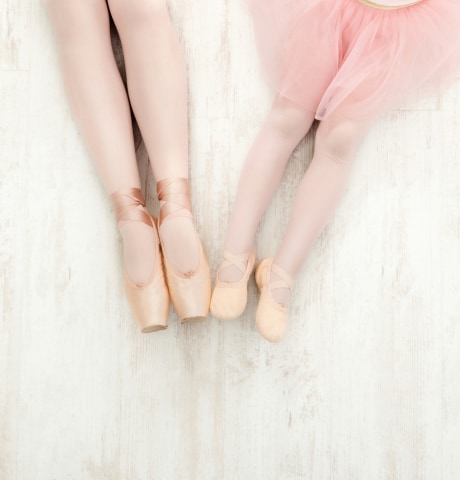 Dance performances for kids: Choosing the right outfitThe first dance performance is an exciting adventure for children. Learn how to ensure a safe and comfortable show with the right clothing and shoes.
 Dance performance schedule: The guide for the big dayThe big dance performance is coming up and the excitement is building. With our practical guide, parents can support their child through the entire show day stress-free.
 Gently easing stage fright before a child's performanceStage fright before a first big performance is completely normal for children. Learn how to empathetically guide your child with mental tips and playful exercises to boost their self-confidence.
 Packing your dance bag: The perfect checklist for your child's performanceTo ensure your child's first stage performance is a complete success, their bag must be packed perfectly. Find out what essentials belong in your emergency kit here.
 Ready for the dance show? A self-test for parentsIs your child emotionally and playfully ready for their first big dance show? Take our self-test for parents and learn how to best support your child.
 Avoiding common mistakes in planning children's dance showsPlanning a children's dance show is a logistical masterpiece. Learn about the most common mistakes here and how to ensure a stress-free performance.