


Find the right kids dance class
Whether it is creative dance for kids or Hip-Hop, on udansa you can easily find the right dance classes for children and teenagers in your area. Discover the ideal offer for the next big performance now!

By Bernhard De LucaUpdated
Whether it is creative dance for kids or Hip-Hop, on udansa you can easily find the right dance classes for children and teenagers in your area. Discover the ideal offer for the next big performance now!
When the applause fades and the spotlight goes out, the most important part for your child begins. With the right rituals, you make the day unforgettable and sustainably strengthen their self-confidence.
Simple implementation
The ideas must be implementable directly after the show without requiring much preparation effort.
No performance pressure
The rituals focus on the shared experience and the joy, not on performance.
Age-appropriateness
The suggestions are easy to understand and emotionally relatable for children between 3 and 12 years old.
Independent selection
No payments or placements from third parties were accepted for the creation of this list.
Right after the show, in the car or at home, for all ages
Already on the way home, you can start singing a set song in the car or while walking, which from now on will be your official performance song. This immediately creates a lively atmosphere and can be repeated at every future event.
At home, the very next day, for ages 4 and up
Surprise your child after the show with a lovingly designed certificate or a symbolic wooden medal. Hanging it up in their room becomes a little ceremony of its own, preserving their pride for weeks to come.
In the park or living room, 1 to 2 hours after the show
Instead of a big gift, spending time together is good. A picnic with the child's favorite snacks on a blanket in the park or in the living room creates a cozy oasis to let the excitement of the day fade away in peace.
The day after the performance, approx. 30 minutes, from 6 years old
Collect small mementos like the ticket, the program booklet, or a dried flower from the congratulatory bouquet. Together, you can glue these items into a small book that offers space for the most beautiful thoughts of the day.
At home on the couch, in the evening after the show, from 5 years old
Let your child step into the role of the director. While watching the performance video together (if available), let your child decide which scene should be shown again and proudly explain what was especially fun in that moment.
Find the perfect class where your child can dance with joy and celebrate their next achievements.
A successful performance on the big stage is an emotional milestone for children. However, the real magic often happens afterwards, when the pressure fades and pride sets in. Instead of letting the day simply drift away in the hustle and bustle of everyday life, established rituals help to anchor the experience positively in their memory. It is not about material gifts, but about consciously sharing this special moment. Parents should actively support this transition to sustainably strengthen self-confidence.
Shared experiences bring people together and show the youngsters that their effort is valued. A nice way to do this is to establish a fixed tradition right after the show, such as a picnic on the way home or a cozy round where every child in the group can talk about their personal favorite moment on stage. If things did not go perfectly for once, a loving approach helps. You can find out how to deal with small mishaps in the guide Dance performance: Learning to process children's failure.
After the thunderous applause, there is often a sudden silence that unsettles some children. A fixed ritual catches these emotions. It signals to the child: Regardless of mistakes or perfection, we as a family support you and celebrate your courage. This strengthens resilience and ensures that the anticipation for the next event in the joint dance project remains. Focus on age-appropriate gestures that do not involve performance pressure and that put the joy of movement in the foreground.
The best rewards are those that are sentimental and create a personal memory. A small, self-designed photo album, a certificate, or a symbolic medal will show the child long-term how proud you are of their courage.
A ritual provides the child with structure and emotional security after the excitement. It helps to gently lower adrenaline levels and store the experience positively in their long-term memory, completely free from performance pressure.
Celebrate the courage it took to stand on stage in the first place. When praising, focus on the joy of movement and the group's collective effort instead of highlighting only a flawless choreography.
 Dance performance for kids: How to make the show stress-free
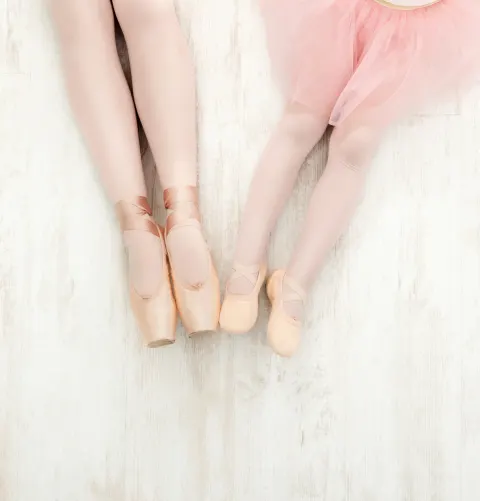 Dance performances for kids: Choosing the right outfit
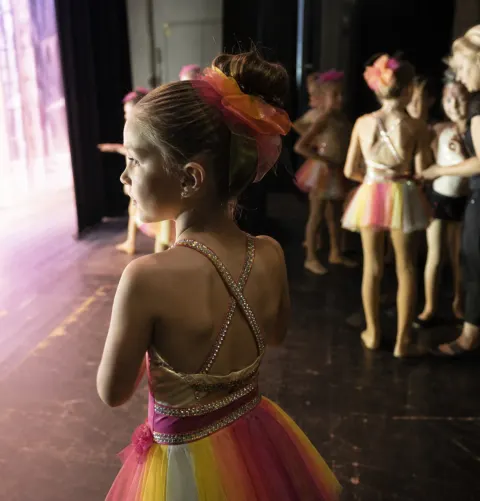 Dance performance schedule: The guide for the big day
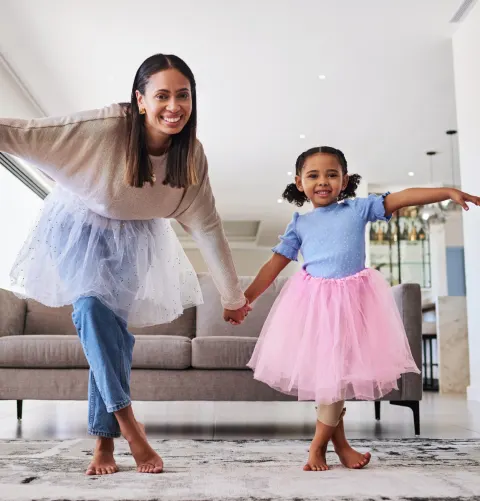 Gently easing stage fright before a child's performance
 Packing your dance bag: The perfect checklist for your child's performance
 Ready for the dance show? A self-test for parents
 Avoiding common mistakes in planning children's dance shows