
Find your dance connection on udansa
Here you can find like-minded people who also want to start without a partner, as well as the right courses in your area. Make new contacts and add some rhythm to your everyday life.


By Mary De LucaUpdated
Here you can find like-minded people who also want to start without a partner, as well as the right courses in your area. Make new contacts and add some rhythm to your everyday life.
If you want to learn to dance, you often don't fail because of your own will, but because of the search for a partner. However, the dance floor is also open to you alone if you use the right ways to get started.
Rotation principle refers to the method in dance schools where dance partners are changed systematically and at short intervals during class. This ensures that all participants get to dance and that leading and following are learned flexibly.
The thought of signing up for a partner dance without a companion initially causes hesitation for many people. However, the worry of being left standing on the sidelines is unfounded. Modern dance schools have long since adapted to singles and those interested in dancing solo. If you want to take a dance course without a partner, you are in good company, as a large portion of participants sign up alone these days. The courses are organized by the providers in such a way that mathematical differences between the roles are balanced out.
Many providers use so-called guest leads or guest follows for this purpose. These are experienced dancers from higher course levels who help out on a voluntary basis so that no one is left without a partner. In addition, many establishments offer special singles courses. Such a dance school for singles focuses specifically on ensuring that all participants arrive without a fixed partner and can make connections from the very first minute.

In almost all modern beginner courses, regular rotation is firmly integrated into the concept. This means that couples change positions after almost every song or even during an exercise. So, if you are worried about spending the entire evening with someone you do not click with, you can breathe a sigh of relief. When participants change dance partners in class, it brings enormous advantages for your dancing.
Through constant rotation, you learn to adjust to different leading styles and movement dynamics. This trains your adaptability far faster than if you only focus on the quirks of a single person. In addition, the rotation principle takes all the pressure off your shoulders, as there is no chance for long, awkward silences before the pairing dissolves again anyway.
Correct
Wrong
The best dancers are often those who started without a fixed partner, because they learned from the beginning to adapt flexibly to every partner.
If you feel uncomfortable with classic partner dance despite all rotation models, there are excellent alternatives available to you. Many beginners consciously decide that they want to learn to dance without a partner first by choosing solo dance styles. Disciplines such as Jazz, Modern Dance, Hip Hop, or Zumba do not require a second person by nature and still offer an intensive body and rhythm workout.
These styles are perfect for building a healthy body awareness, a sense of rhythm, and self-confidence. With these foundations, switching to a partner dance course later is often much easier, as the basic coordination has already been internalized. No matter which path you choose, the first step only requires the courage to step onto the dance floor alone.
Together in the flow of the group
You sign up specifically for partner dances like Salsa or Standard. The dance school assigns you, and you rotate partners during the course, which maximizes your flexibility.
Focus on your own movement
You choose styles like Jazz, Hip Hop or Zumba. You focus entirely on your own movement, strengthen your fitness and are completely independent of others.
Yes, that is the absolute standard. Most dance schools balance the ratio between leaders and followers by using volunteer guest dancers from more advanced courses.
Partner rotation in class is purely about learning together and moving. A quick, friendly hello, mutual consideration when mistakes happen, and a nice thank you after the dance are perfectly sufficient.
Styles like Salsa, Bachata, and Discofox are ideal, as these scenes place a huge emphasis on social interaction and constant partner rotation. Classic ballroom courses for beginners are also excellent choices.
Find the right course now and get started easily, even without a partner.
Couple danceLimbach-Oberfrohna · Germany
PaartanzkreisMonday · 19:30 · Oct 12
Limbach-Oberfrohna
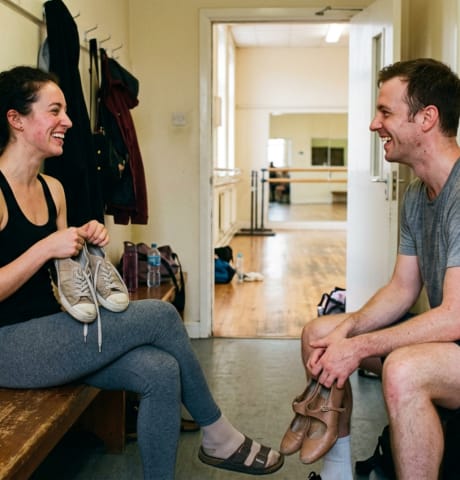 Dance school or online search: where do you connect faster?Where can you find the right dance partner for your next course faster? We compare the classic search at a dance school with the modern online platform.
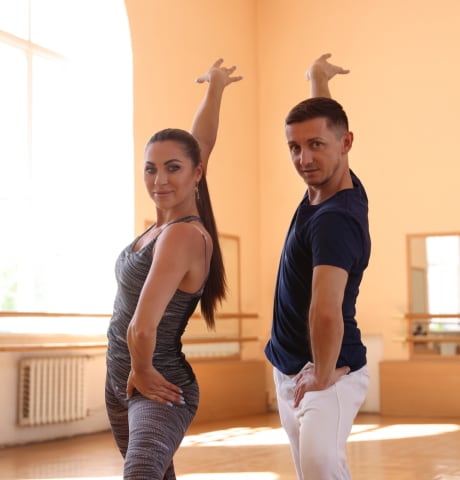 Finding a dance class for beginners: How to get started easilyGetting started is easy: With our guide, you will find the right dance class for beginners and prepare perfectly for your very first dance lesson.
 Learn to dance solo: The best dance styles for individualsWant to dance but don't have a partner? No problem! Discover the exciting world of solo dance styles and find the perfect fit for you.Finding a dance class for beginners: How to get started easilyGetting started is easy: With our guide, you will find the right dance class for beginners and prepare perfectly for your very first dance lesson.
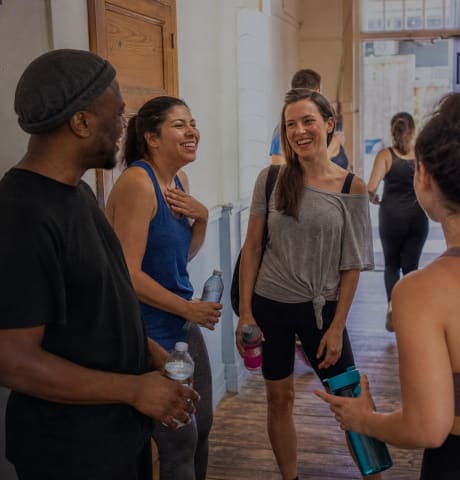 Nervous about your first dance class? 7 tips to overcome itIf you want to overcome your fear of the first dance class, you just need to know a few simple mental tricks. We will show you the seven most common hurdles and how to master them.
 How much does a dance class cost? Prices and expenses in the first yearWant to learn to dance but worried about unexpected expenses? Our guide breaks down all the costs for your first dance class transparently.
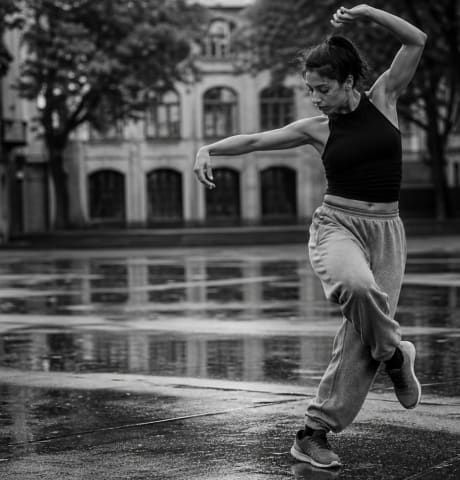 Online Dance Course vs. Dance School: Which is right for you?Do you prefer learning flexibly from home, or are you looking for direct interaction in the studio? We compare online dance courses and traditional dance schools to help you find your perfect start.
 How to spot a great dance school: Finding the best courseHow do you find the perfect dance school as a beginner? Our guide shows you step by step what to look for in instructors, contracts, and trial classes.
 From dance class to the dance floor: How to make the moveTaking the leap from dance class to the social dance floor takes courage. Use these proven tips to overcome your nerves and put what you have learned into practice.
 Dance course trends: How we learn to dance flexibly todayFind out how flexible flat rates and hybrid learning concepts make getting started in the world of dance easier and more individual than ever before.