

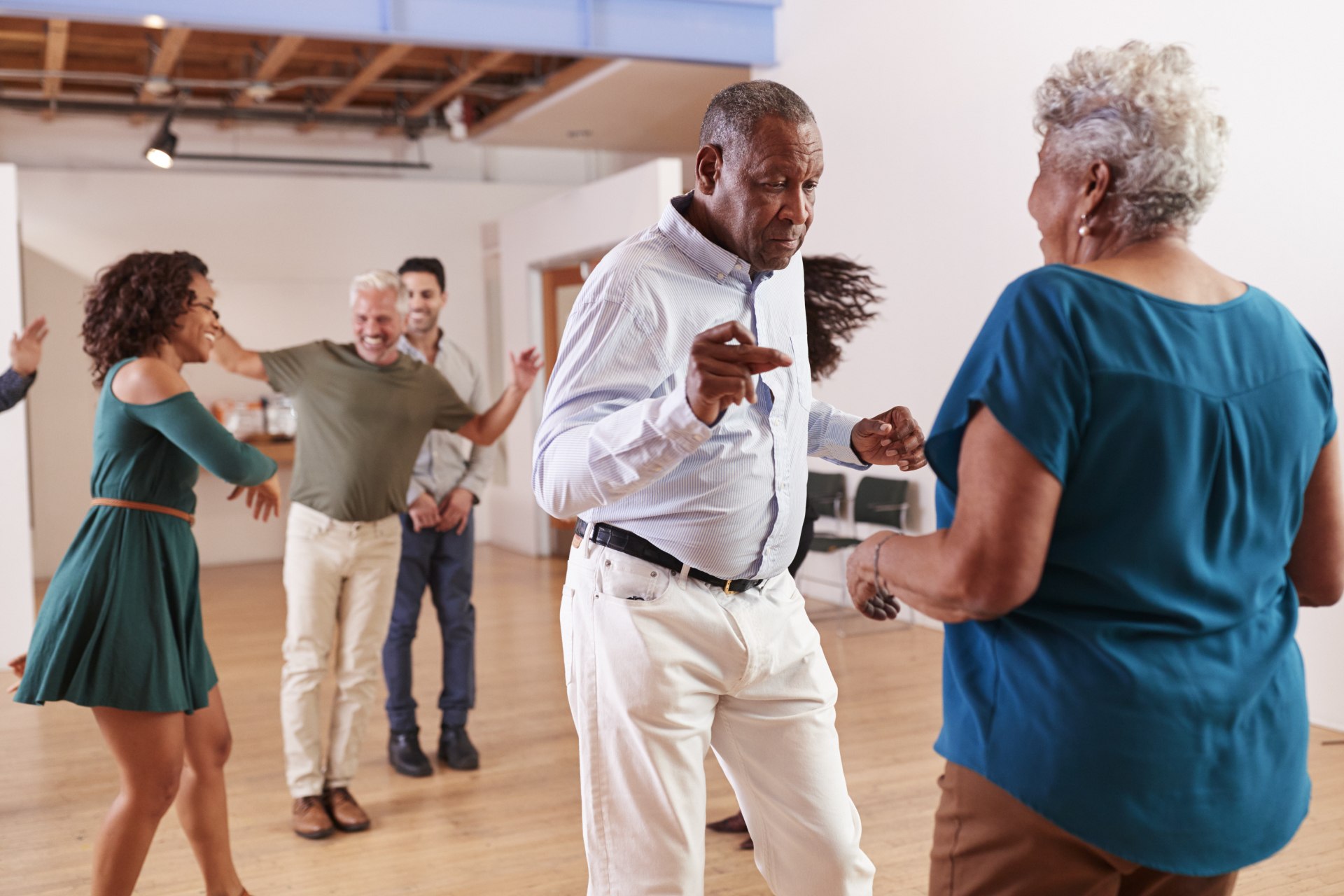

An overview of how Salsa dance styles differ
The global Salsa community is characterized by a fascinating diversity that has developed over decades in different regions. While all variants are based on the same Afro-Cuban rhythms, the differences in Salsa styles are primarily evident in the spatial arrangement, timing, and dynamics of the movements. For example, dancers in the Cuban style move around each other in circular patterns, while the US styles are danced strictly on a straight line. The timing also differs fundamentally: some styles emphasize the first beat of the measure, while others place the accents on the second beat. If you would like to delve deeper into the basics, our comprehensive guide Learning to dance Salsa: The complete guide for your start will help you.
From the club to the stage
These different approaches shape the entire appearance on the dance floor. While one style captivates with its earthy, playful touch, another shines with spectacular show elements, dramatic pauses, and lightning-fast turns. Anyone who understands the visual characteristics of the individual styles can not only interpret the music better, but also finds their way into the global social dancing community more quickly.
