Dance floor etiquette4 minutes

Dance direction & line of dance: flow on the dance floor

Kurz gesagt
  • Die Bewegung auf der Tanzfläche verläuft beim Tanzen grundsätzlich gegen den Uhrzeigersinn.
  • Schnelle und Raum greifende Paare nutzen die äußere Bahn der Tanzfläche als Überholspur.
  • Langsamere Paare oder Tänzer mit stationären Figuren weichen in die innere Zone und das Zentrum aus.
  • Ein rücksichtsvolles Einreihen am Rand verhindert gefährliche Kollisionen im laufenden Tanzfluss.

Wer die Tanzfläche betritt, wird Teil einer dynamischen Gemeinschaft. Mit dem Wissen um die richtige Laufrichtung und die Aufteilung der Tanzfläche bewegst du dich jederzeit sicher, elegant und rücksichtsvoll im Fluss der anderen Paare.

Definition
Line of Direction

Line of Direction bezeichnet die imaginäre Linie, die beim Paartanz die Bewegungsrichtung gegen den Uhrzeigersinn entlang des Außenrands der Tanzfläche vorgibt. Sie sorgt für einen geordneten und sicheren Tanzfluss bei allen reisenden Tänzen.

Why we move counter-clockwise

Anyone who has ever watched a full dance floor will quickly notice an invisible order: the couples move together in one direction as if on a circular path. In dancing, this movement generally runs counter-clockwise. This principle ensures that all couples can move forward at a similar basic speed without constant head-on collisions. Especially in ballroom dances like Waltz, Quickstep, or Tango, this rule is vital for a harmonious flow.

Adhering to this direction of travel not only protects against accidents, but also creates mental relief. If you know that all other couples are taking the same path, you do not have to constantly check 360 degrees around you. Instead, you can focus fully on your partner and the music. A smooth dance flow always emerges when everyone present sees themselves as part of a large, shared clockwork mechanism.

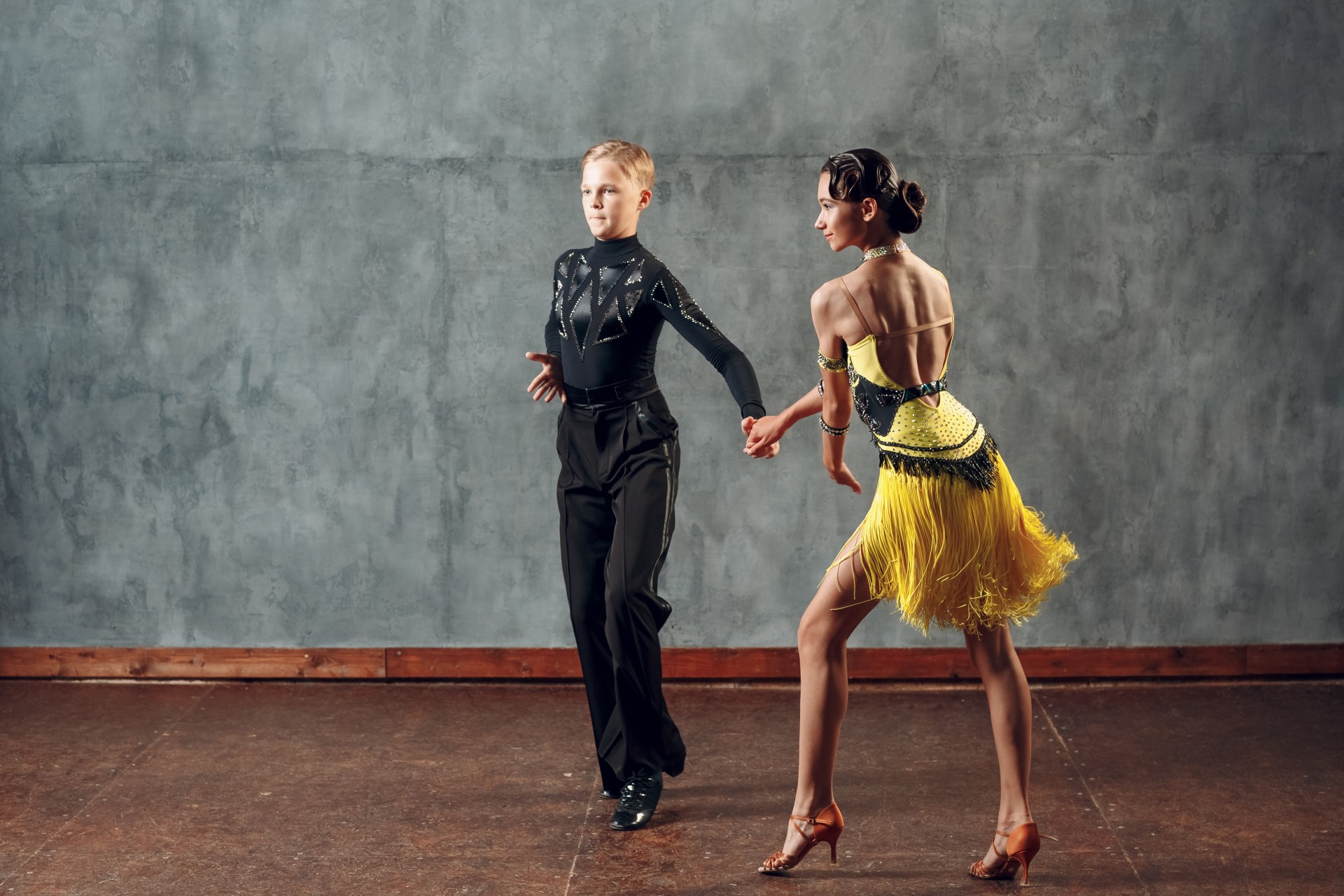
Tanzende Menschen auf einem Holzboden
The dance direction on the dance floor is always counter-clockwise to avoid collisions.

Dividing the dance floor into zones

A common misconception at socials is the assumption that the entire area should be used equally. In fact, there is a clear distribution of space on the dance floor, which is based on the dynamics of the dancers. The outer lane is the passing lane for fast, space-consuming couples who cover long distances. The further you move towards the center, the calmer the activity becomes.

In the inner zone or directly in the center of the floor, those who prefer stationary figures, are still refining their basic step, or simply choose a slower tempo dance. If you understand this zone model, you can position yourself much more confidently. It is perfectly fine to dance slowly as long as you choose the inner lane for it and keep the outer ring free for the dynamic runners. This structure is a central building block for the social dance etiquette.

Sicheres Navigieren im Tanzfluss

Richtig

  • Immer gegen den Uhrzeigersinn tanzen
  • Langsame Figuren in der Mitte ausführen
  • Beim Einsteigen auf den Verkehr achten
  • Vorausschauend und flexibel navigieren

Falsch

  • Rückwärts gegen den Tanzfluss tanzen
  • Auf der äußeren Spur stehenbleiben
  • Einfach blind auf die Fläche laufen
  • Rücksichtslos die eigene Bahn erzwingen
udansa tip

If you are unsure how crowded the dance floor is, observe the dynamics of the other couples from the edge for a moment before taking your first step. This makes joining in smoothly much easier.

The line of direction is like an invisible highway: those who understand and respect the lanes give themselves and all other dancers a stress-free evening.

Dance instructor, Hamburg

Staus und Hindernisse elegant bewältigen

Selbst auf gut organisierten Tanzflächen kommt es vor, dass der Fluss stockt. Wenn ein Paar vor dir plötzlich anhält oder eine raumgreifende Pose einnimmt, ist vorausschauendes Handeln gefragt. Erfahrene Tänzer nutzen in solchen Momenten stationäre Ausweichschritte oder kleine Drehungen auf der Stelle, um zu warten, bis sich die Lücke vor ihnen wieder öffnet, anstatt rücksichtslos drängeln zu wollen.

Besonders wichtig ist das richtige Verhalten beim Neueinstieg. Warte am Rand einen passenden Moment ab und reihe dich vorsichtig in den fließenden Verkehr ein, anstatt abrupt die Bahn eines herannahenden Paares zu kreuzen. Wenn du dich an diese einfachen Regeln hältst, trägst du aktiv zu einer entspannten Atmosphäre bei. Das macht das gemeinsame Tanzen für alle Beteiligten sicherer und angenehmer, ganz gleich, wie voll die Tanzfläche an diesem Abend auch sein mag.

Two lanes for the perfect dance flow

Außenbahn

Die Überholspur nutzen

Für dynamische und schnelle Paare

Nutze die äußere Bahn der Tanzfläche, wenn du dich mit raumgreifenden Schritten dynamisch vorwärtsbewegst. Achte darauf, den Fluss der nachfolgenden Paare nicht durch plötzliche Stopps zu blockieren.

Zentrum

Die Ruhezone wählen

Für stationäre Figuren und Anfänger

Bewege dich in die Mitte der Tanzfläche, wenn du komplexe, stationäre Figuren tanzen oder im eigenen Tempo üben möchtest. Hier stört dein ruhigeres Tempo den Fluss der anderen nicht.

Frequently Asked Questions

  1. The direction of dance is always counter-clockwise. This global convention ensures that all couples move in the same direction and head-on collisions are avoided.

Ballroom and Latin courses near you

Find the right course to refine your steps on the dance floor.

View all matching courses
udansa community

Gemeinsam im Tanzfluss bleiben

Entdecke auf udansa Gleichgesinnte, die den Tanzfluss genauso lieben wie du, und finde passende Tanzkurse oder Events in deiner Nähe.

Sources

Based on the established guidelines for ballroom dances and the general rules of conduct in social dance, as of August 2026.