

Experience the freedom of Neotango
On udansa you find like-minded people who share your passion for modern tango, and discover courses as well as events in your area.

By Mary De LucaUpdated

On udansa you find like-minded people who share your passion for modern tango, and discover courses as well as events in your area.
Neotango breaks with the strict conventions of traditional Argentine Tango and breathes new life into the dance. Find out how modern music and an open community are revolutionizing partner dancing.
Neotango is a modern dance style and genre of music that opens up traditional Argentine Tango to contemporary music styles like electro tango, pop, or trip-hop. The dance is characterized by a flexible posture, fluid role changes, and an informal, open community culture.
The term Neotango describes a modern evolution of traditional Argentine Tango, which is characterized primarily by musical and cultural openness. While classic Tango is firmly rooted in the "Época de Oro" era of the 1930s and 1940s, Neotango opens itself up to contemporary influences. The foundation for this movement was significantly laid by the Tango Nuevo of Astor Piazzolla, who began breaking down traditional structures as early as the 1960s. With Neotango, however, this development goes a step further: the music detaches itself completely from classic orchestras and integrates modern rhythms.
This musical liberation has a direct influence on movement. Since the music no longer follows strict, familiar patterns, the dance also becomes freer. The traditional, often very asymmetrical posture gives way to a flexible embrace that adapts to the dynamics of the moment. The roles of lead and follow are interpreted fluidly in Neotango and are often playfully swapped during the dance. It is less about flawlessly executing historical figures and more about creative expression to the music.
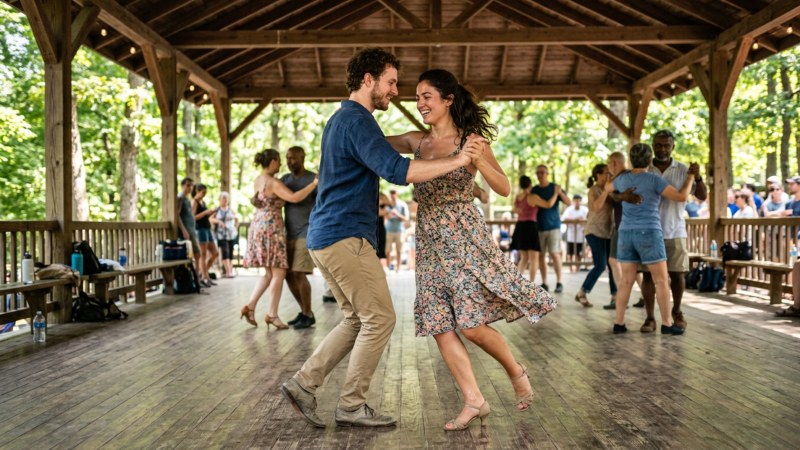
A central feature of neotango is the variety of music used. At neotango events, so-called neo-milongas, a wide range of sounds is played. This includes, on the one hand, electronically produced tango, often referred to as electro tango, which blends beats with the melancholic tones of the bandoneon. On the other hand, people dance to so-called nontango music. This can be melancholic pop ballads, atmospheric trip-hop, blues, film music, or gentle electronic tracks. The decisive factor is not the genre, but that the music possesses the typical emotional depth and rhythm that enables an intense connection between the couple.
This sonic diversity attracts a noticeably younger and more diverse community. If you find the traditional world of tango too strict or formal, you will find an uncomplicated entry point here. If you are a beginner taking your first steps at a neo-milonga, the open atmosphere helps you to overcome your fear of making mistakes. The music is often familiar to dancers from everyday life, which facilitates emotional access and lowers the threshold to simply let yourself go with the flow of movement.
Correct
Wrong
Neotango breaks down the old walls in your mind. When the music frees itself, your body follows quite automatically with a new lightness and creativity.
The neotango culture is characterized by a high degree of tolerance and equality. This is already evident in the clothing: instead of elegant evening wear or strict dress codes, a comfortable, individual look dominates. Many dancers wear casual everyday clothes or comfortable trousers that allow for maximum freedom of movement. The scene is also extremely pragmatic when it comes to footwear. While high heels often dominate in classical Tango, neotango dancers prefer flat, flexible shoes such as dance sneakers, which make turns easier and guarantee a secure footing.
Furthermore, the community breaks with dusty conventions. Asking someone to dance is done directly, in a friendly manner, and on equal terms, without the complex, non-verbal rules of the traditional milonga. Anyone who wants to dance simply asks nicely. This informality makes the events a perfect place for everyone looking for their dance community in social dance. A protected space for experimentation is created, in which mutual respect and the joy of creating together are at the forefront.
The classic Argentine Tango
Focuses on preserving the historical dance form, uses exclusively traditional orchestras from the golden era, and places great importance on ritual codes of conduct and classic etiquette.
The world of Neotango
Opens up to modern music genres, encourages creative role swapping while dancing, and creates an informal, experimental atmosphere without rigid dress codes or rules of conduct.
Neotango is a further development of Argentine Tango, which is characterized by the use of modern, often electronic music or pop music. In addition, the dance culture is freer, the distribution of roles is more flexible, and the etiquette is much more relaxed than in traditional Tango.
At Neotango events, people dance to electro-tango groups like Gotan Project or Bajofondo, as well as to non-tango music. This includes genres such as trip-hop, ambient, melancholic pop, blues, and modern film scores that possess a suitable emotional depth.
No, there are no strict dress codes in Neotango. Whatever you feel comfortable in and can move well in is allowed. Many dancers wear casual leisure clothing and flat, flexible dance shoes or dance sneakers instead of classic high heels.
Yes, Neotango is ideal for beginners. The open and tolerant atmosphere at the events removes the fear of making mistakes, and the familiar, modern music makes it easier to emotionally connect with the movements of Tango.
Find the right course and start your dance adventure with udansa.
 Salsa, Bachata & Kizomba: Comparing the stylesSalsa, Bachata or Kizomba? Our comprehensive comparison shows you the differences in music, dynamics and atmosphere so you can find the perfect style for you.
 Lead & Follow: Partner dance as teamworkLeading and following is more than just telling and trailing. Learn how to harmonize perfectly as a leader and follower on the dance floor with udansa!
 Social Dance Preparation: Your Mindset for the Dance FloorMentally and physically ready for your dance night: This guide shows you how to prepare, ease your nerves, and start with the right mindset.
 Social dance styles: Find your dance communityDive into the fascinating world of social dance styles. Learn what sets the Salsa, Bachata, and Swing scenes apart and how to find your place in the community.
 Kizomba vs. Urban Kiz: Comparing origins, music, and the sceneKizomba and Urban Kiz are captivating dancers worldwide. Our guide compares traditional African roots with the modern European club scene.
 The history of social dance: From its roots to todayEmbark on a fascinating journey through time and discover how the history of social dance transformed traditional folk dances into a worldwide movement.Salsa, Bachata & Kizomba: Comparing the stylesSalsa, Bachata or Kizomba? Our comprehensive comparison shows you the differences in music, dynamics and atmosphere so you can find the perfect style for you.
 West Coast Swing vs. Discofox: The ultimate comparisonThe ultimate comparison between West Coast Swing and Discofox shows you which modern partner dance best matches your rhythm and preferences.
 The 5 most important swing dance styles at a glanceFrom Lindy Hop to Balboa: This guide gives you a quick overview of the five most important swing dance styles and shows what defines the global vintage subculture.
 Sensual dance styles: Bachata Sensual, Kizomba & ZoukDive into the world of sensual dance styles. Our guide shows you the unique features of Bachata Sensual, Kizomba and Zouk, as well as the fascinating dynamics of their global communities.