Mental health5 minutes

The psychological impact of Zumba: How the group strengthens us mentally

In short
  • Joint Zumba training strengthens mental health through the release of endorphins and the reduction of stress hormones in a collective experience.
  • Synchronized movement in a group fosters a sense of belonging and effectively reduces social anxiety and isolation.
  • udansa creates a judgment-free space where the shared experience and the joy of music sustainably boost self-esteem.
udansa community

Dance together instead of being alone

On udansa you will find like-minded people in your region who share your passion for rhythm and movement. Discover suitable courses and make connections that will also strengthen you mentally off the dance floor.

Dance together instead of being alone

Spinning together to Latin beats does more than just change your mood in the moment. The group dynamics in Zumba strengthen your mental resilience and give you a deep sense of belonging.

Definition
Zumba psychological effect

The psychological effect of Zumba describes the positive changes in mental state, self-esteem, and the sense of belonging through moving together in sync to music in a group.

How the group dances away the stress of everyday life

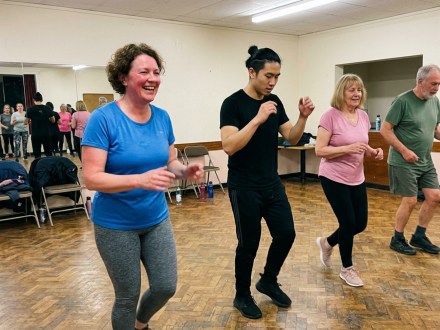
Anyone who enters the Zumba room after a stressful day at work often feels a noticeable sense of relief after just a few minutes. The psychological effect of Zumba is largely based on the phenomenon of collective synchronization. When a group of people moves to Latin American rhythms in the same beat, a feeling of connection arises that goes far beyond mere exercising together. This synchronous movement is proven to break down social barriers and promote trust within the group.

In a time when many contacts only take place digitally, the shared workout offers a real analog refuge. The shared effort and the common joy of the music bring people together. It is not about performance or the perfect step here, but about the shared experience. If you are interested in getting started, you can find out how uncomplicated the start into this liberating group experience is in the guide Zumba for beginners.

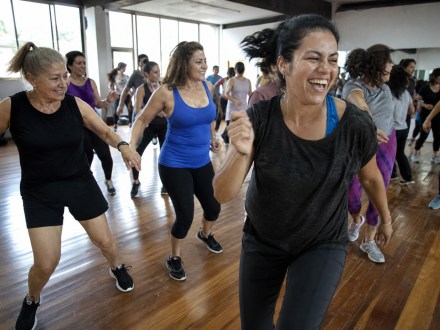
A smile in passing and a shared rhythm: in a group, everyday worries fade away almost by themselves.

Shared dynamics protect against self-doubt

A key factor for mental health in Zumba is the reduction of anxiety and self-doubt through the dynamics of the community. In contrast to solitary training on fitness equipment, Zumba is an interactive experience. The group supports the individual. If you fall out of step, you are not judged, but simply carried along by the collective energy of the other participants. This mistake-friendly environment is a balm for the psyche.

The Zumba group dynamics ensure that we feel safe and accepted in the room. Laughing together about a missed turn or cheering each other on during fast songs releases happiness hormones that sustainably strengthen self-esteem. You are part of something bigger, which enormously increases the feeling of self-efficacy. Once you have experienced these dynamics, you will not want to miss them in everyday life and will actively look for like-minded people in the Zumba community.

The path to mental balance and community

That's how it works

  • Let yourself be carried by the energy of the group
  • Take mistakes with a shared smile
  • Schedule regular social contacts firmly

Not like this

  • Struggling through the workout in isolation
  • Critically obsessing over every wrong step
  • Training only irregularly and alone
udansa tip

Don't worry about perfect steps. Just let yourself be carried away by the music and the movement of the group, because the mental effect comes from the shared experience, not from perfection.

In the Zumba group, it is not about who knows the steps best, but about us all going home with a liberated smile at the end.

Zumba instructor, Hamburg

An effective remedy for social isolation

Loneliness is one of the greatest mental challenges of our modern society. Using regular dancing to combat loneliness is one of the most effective methods to experience genuine social closeness again. In a Zumba class, people of different age groups and backgrounds meet on equal terms. The music builds a bridge that makes long conversations unnecessary: you understand each other even without words.

This sense of belonging extends far beyond the actual class. Training partners often become friends who motivate and support each other. The knowledge that a group of familiar faces is waiting for you every week gives your everyday life structure and emotional support. It is the perfect combination of physical activity and a social anchor that stabilizes your mental well-being in the long term.

Two paths to mental strength and well-being

Community

Flowing together in rhythm

The power of collective energy

Training in a community harnesses the energy of the group. Moving synchronously to the same rhythm strengthens the sense of belonging, breaks down social barriers, and motivates you to keep going through the collective experience.

Individual training

Time for a personal retreat

Focus on your own movement

Solo training allows for maximum flexibility and full concentration on your own body. It offers space for individual retreat, but it requires more self-discipline and forgoes social interaction.

Frequently Asked Questions

  1. Yes, dancing together in a group distracts the brain from circling worries. Focusing on the music and the steps as a collective acts like active meditation and noticeably lowers stress levels.

Discover Zumba courses near you

Find your group and experience the liberating effect of dancing together.

See all matching courses