Practice Together6 minutes

Starting a Dance Group in Karlsruhe: Your Plan

By Mary De LucaUpdated

In a nutshell
  • Your own dance group in Karlsruhe needs a shared dance goal and a regular schedule for its meetups.
  • Use udansa and your personal dance connections to find people to join your self-organized group.
  • Share responsibility for scheduling, music and welcoming people, and agree on who can fill in and how to handle cancellations.
  • Start with a trial meetup, then decide together on the format, costs and regular attendance.

The first person to say yes already makes it feel like a group. Whether it becomes a community becomes clear later: when someone is missing, different wishes come up, and no one has to carry the whole organization alone.

What you need to get started

  • An idea for a dance style and a shared practice goal
  • Time set aside for the first round of organizing
  • A way for interested participants to get in touch
  • Music and familiar steps for the first practice session
  • A framework agreed on together for the first meeting

A shared format keeps the group together

When you start a dance group in Karlsruhe, first describe what you want to do together: repeat familiar steps, dance freely to music, or practice a short sequence together. These formats call for different routines. For repetition, manageable tasks and breaks for feedback are helpful. For free dancing, you need music that flows continuously and clear agreements about changing partners. Choose one focus to start with, so no one expects a lesson while others just want to dance.

A self-organized dance meetup is no substitute for professional instruction. You can prepare music and count through a familiar sequence without taking on the role of teaching technique. New lifts, risky movements, or painful corrections have no place in experimenting with each other. For guidance on how much to practice, see the guide to practicing between two classes.

For partner dancing, the number of people dancing at the same time also matters. Leading and following roles are chosen voluntarily, not assigned based on gender. Taking a break, practicing solo, or agreeing to switch roles can help reduce waiting times. More solutions for uneven participant numbers can help without requiring anyone to change partners. With solo dances, there is no need to divide into pairs, but you still need a shared tempo and a clear start.
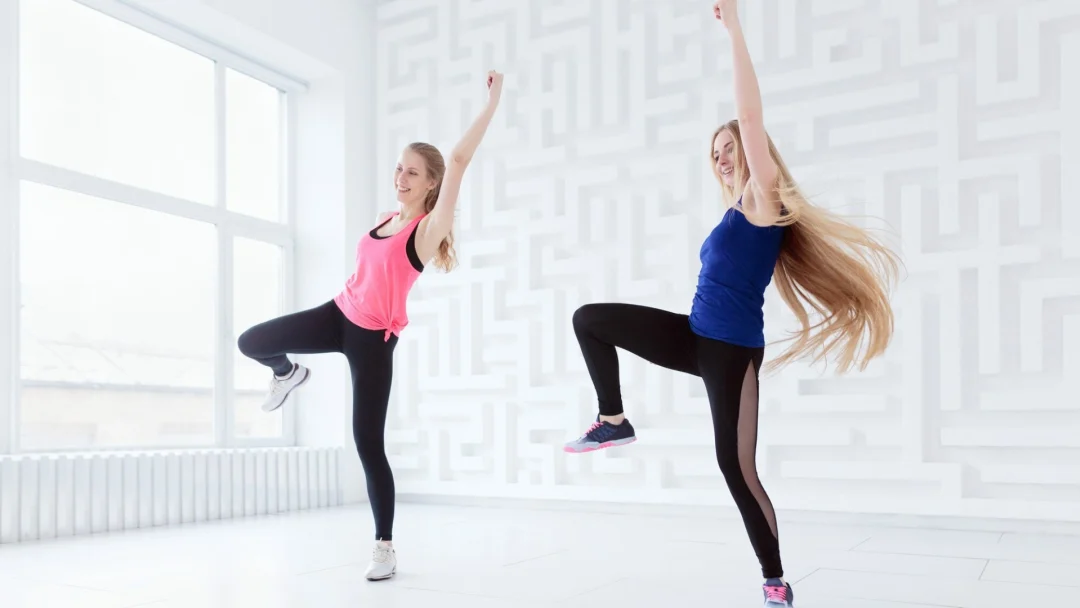
Two fit young women take part in a fitness dance class
Written agreements ensure that people who join later have the same information as those who were there from the start.

Seven steps to your own community

  1. Define the scope of the shared plan

    Choose a dance style, the assumed experience level, and a specific goal, such as reviewing familiar basic steps to music. Also describe the boundary: practicing together without a performance or promise of instruction. The plan works if others can restate it in one sentence.

  2. Invite contributors to help shape things

    Use udansa and personal connections in your dance community to bring people into the new community in Karlsruhe. Explicitly invite them to help organize. First, gather interest, available time slots, and willingness to contribute, without treating these as a long-term commitment.

  3. Plan a trial session together

    Choose a time from the suggested options and decide who will commit to taking part. Agree on a short agenda with time to arrive, move together, practise and wrap up. Everyone gets the same information about the start time, duration and planned dance content.

  4. Do a practice run together

    Start with small movements and a task you already know before dancing to full songs. Agree to give feedback only when asked. End the practice with a quick check-in: What could you practice together, where did you have to wait, and what was too challenging?

  5. Share out tasks and designate backups

    Share announcements about dates, music selection, and welcoming new people among several people. Designate a backup for each task. Make a note of who communicates changes and who people can talk to about boundary violations, so neither the organization nor conflicts automatically fall to you.

  6. Set a firm schedule

    Agree on a limited series of follow-up meetups to start with, for example, three dates two weeks apart. Agree on a response deadline, how to cancel, and how to handle shared expenses. Clearly recorded commitments prevent casual interest from being counted as confirmed attendance.

  7. Decide together after the initial phase

    After the scheduled meetings, discuss whether the pace, division of tasks, and dance goal were workable. Change only a few things at a time and confirm the next dates. A continuation is only agreed upon once enough participants also take on the necessary tasks.

Agreements that work in everyday life

Do this

  • Share contact details only with consent
  • Share photos only after everyone pictured has given their consent
  • Collect music requests for the next meetup
  • Respect an agreed-upon stop immediately

Don't do this

  • Add new contacts to the mailing list without asking
  • Publish group photos without consent
  • Discuss the playlist during every song
  • Keep going or try to persuade someone after they say stop

You can check this off after each phase

Before the trial meetup

Start

After the trial meeting

Review

After the Initial Phase

Continuation

Frequently Asked Questions

  1. You don't automatically need to register an association for a small, informal dance group. However, once you manage money on an ongoing basis, sign contracts or offer activities to the public, additional legal and organizational questions arise. An informal group is not a free pass: when making commitments, explicitly name the person responsible and put the agreement in writing.

Dance classes in Karlsruhe as a shared foundation

To learn new techniques, you'll find courses in Karlsruhe here where you can then practice what you've learned with your community.

Start together, share responsibility

On udansa, you can find dance connections in Karlsruhe who might be a good fit for a self-organized community. Bring a specific practice plan and invite others to share the organizing, too.

Start together, share responsibility