Compatibility shows in how you handle uncertainty
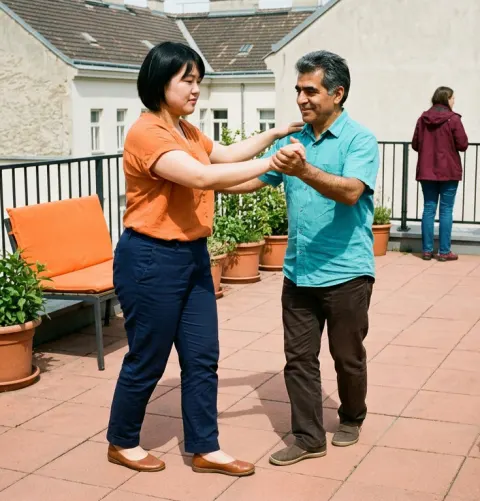
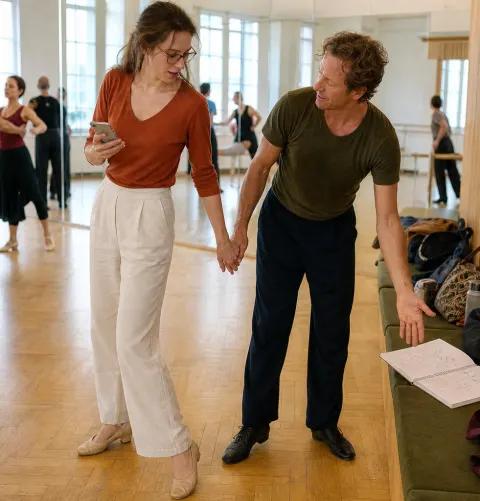
When trying out dancing in Vienna, it helps to distinguish between unfamiliar coordination and mismatched expectations. Missing a cue initially says little: you don't yet know each other's range of movement or signals. How you respond is more telling. Can you stop, briefly say what happened, and start again without blaming each other? Or does one person immediately take on the teacher role without being asked?
Also notice whether your partner takes your boundaries seriously. Asking for less closeness or for a break needs no justification. Even a technically confident dance isn't a good starting point if you feel pressured. Differences in skill, on the other hand, aren't automatically a dealbreaker. For later lessons, it helps to understand different levels in a shared dance course.
Shared goals can be just as important as how you feel dancing together. In 2017, the Viennese Waltz was added to Austria's national inventory of intangible cultural heritage. But sharing an interest in it doesn't necessarily mean you have the same occasion in mind. If you're specifically thinking about an evening at a ball, making plans with a ball partner in Vienna is a separate next step.