Dance styles differ in movement and connection
When comparing dance styles, you might first notice the music, costumes or tempo. A more meaningful distinction is how a style organizes the body. In ballet, clear lines, controlled positions and technically precise transitions shape the picture. Contemporary dance may involve the floor, weight and individual movement paths more strongly. The boundaries are not fixed, as choreography and teaching combine different approaches.
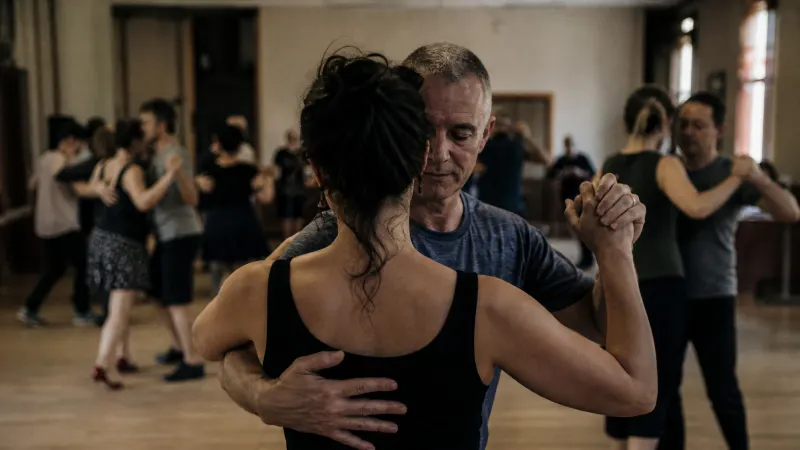
With Ballroom, Salsa and Discofox, dancing with a partner comes into play. Leading and following, spatial orientation and shared rhythm all matter, even though each style has its own movement patterns. Hip Hop, in turn, encompasses a range of forms of expression and rhythms, and no single sequence of steps represents the whole genre. That is why labels are useful as a first guide, but they do not replace looking at the specific class.
In Hamburg, you can discover this variety through performance and classes. The local dance scene includes ballet, contemporary dance and Ballroom. You can find other styles, when they are currently offered, using the course filter. This keeps the distinction between a general description of a style and a class that is actually available clear.