The occasion determines which fundamentals you need
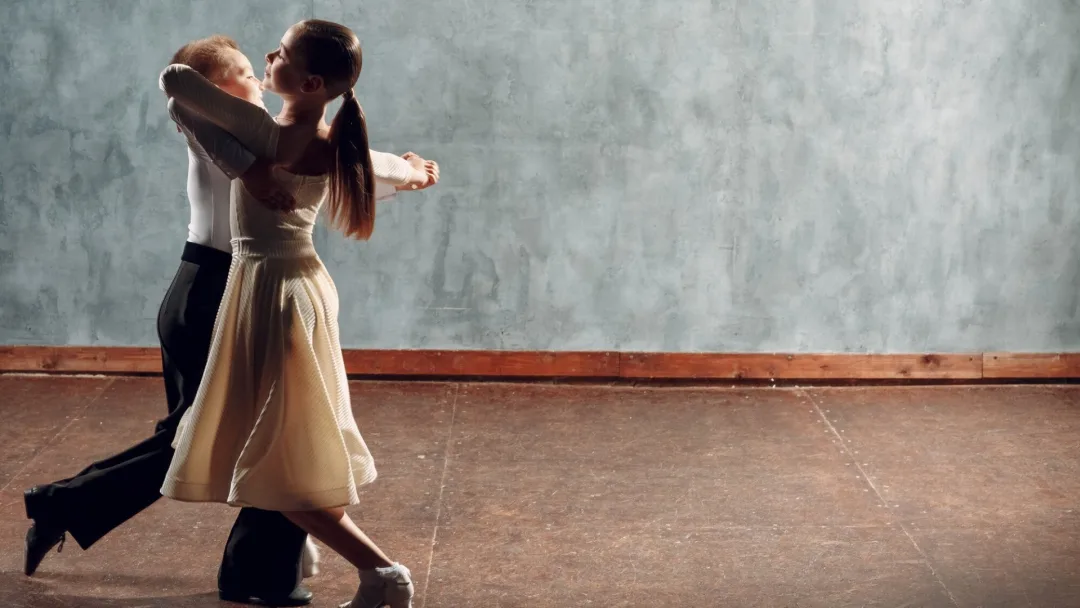
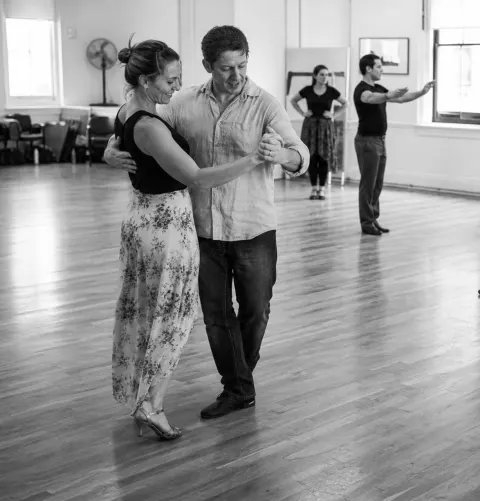
When choosing your graduation ball dance course in Nuremberg, the key question is what you actually need to be able to do in the dance you have in mind. A set sequence requires you to recall steps and transitions in the correct order. For free partner dancing, on the other hand, you need a few reliable movements that you can start, connect and repeat together. Both require you to clearly shift your weight onto one leg before taking the next step.
The music also changes what you need to learn. Slow Waltz and Viennese Waltz both have three beats per bar, but they require different movement speeds and turning patterns. So the word “Waltz” alone does not define your goal precisely enough. If you already know which piece of music will be played, bring it along with your other materials. For the Slow Waltz, practising the side step without bringing your feet together helps you identify a specific technique you need to work on.
Choose your learning goal based on the movement you need, not the length of a list of figures. A turn that only works when someone calls out the steps is not yet something you can recall on your own. So plan to practise between classes as well. A practice plan for between two classes helps you set aside short sessions for counting, shifting your weight and starting on the music. This lets you describe what you need from the lessons more precisely than saying “I want to dance better”.