Milonga culture5 minutes

Tango Tanda and Cortina: The rhythm of a milonga night

In a nutshell
  • A tanda is a series of usually four Tango pieces by the same orchestra, which form an emotional unit.
  • The cortina is a short, non-danceable piece of music that ends the tanda and clears the dance floor.
  • A dance couple traditionally stays together for the duration of an entire tanda and only separates at the cortina.
  • The structured change allows for a dynamic partner change and gives the evening a clear orientation.

The rhythm of a milonga is not only determined by the steps, but by a clever structure in the background. If you understand the subtle rules of Tanda and Cortina, you will move across the dance floor in a relaxed and stylish way.

DefinitionTango Tanda Cortina

Tango Tanda Cortina describes the traditional organizational principle of a milonga, where music sets of the same style are separated by short, dance-free breaks. This system regulates the flow of dancers and the change of partners on the dance floor.

The invisible structure of a Tango evening

Anyone entering a traditional milonga for the first time is often surprised by the invisible structure of the evening. The music does not just drift along, but follows a strict, proven order that structures the entire evening. This order is based on the interplay of tanda and cortina. A tanda is a cohesive group of usually four musical tracks by the same orchestra, from the same era, and of the same style. It forms the temporal unit of measurement in which the action on the dance floor takes place. Between these blocks, the cortina, a short piece of music not suitable for dancing, provides a conscious breather and clears the dance floor.

This structure is not a rigid corset, but a proven framework that gives dancers security. It ensures that the energy in the room builds up in waves and then subsides. Without this structure, a milonga would quickly sink into chaos or freeze into monotony. If you want to avoid the mistake at the milonga of going onto the floor unprepared, understanding this system will help you move through the evening elegantly and confidently.

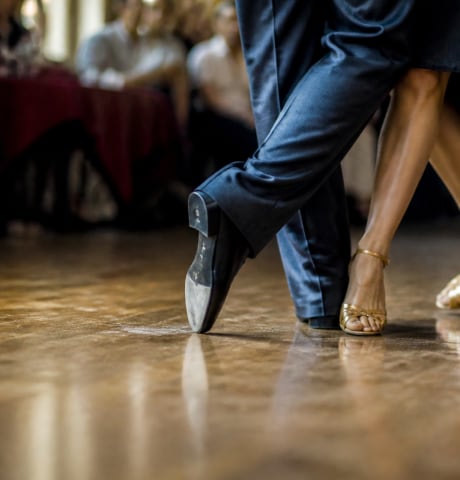
At the edge of the dance floor, the dancers wait eagerly for the first bars of the new tanda to decipher the character of the music.

How a tanda deepens the connection between partners

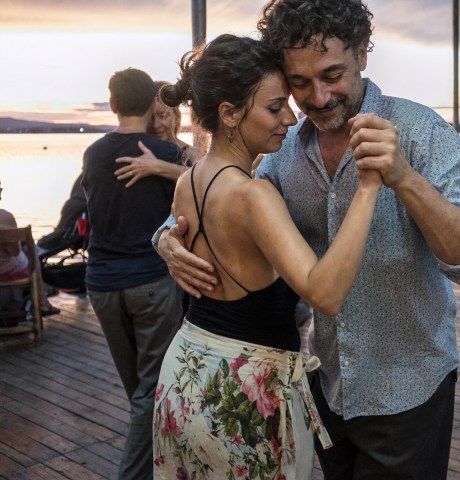
The magic of a tanda lies in its musical unity. An experienced DJ selects the tracks in such a way that they tell an emotional story. Usually, a tanda consists of four tracks where the tempo and intensity vary slightly, but the basic character of the orchestra remains consistent. For you as a guest, this means: when you start a tanda, you commit yourself emotionally and temporally to this shared journey with your partner. It is considered impolite to break off a tanda in the middle without a valid reason, as this is equivalent to a public rejection.

Classically, the genres alternate throughout the evening. Two tandas of classic Tango are usually followed by a tanda of Vals and later a tanda of Milonga. Those who train their ear and learn how to hear the tango beat quickly recognize which orchestra is playing and whether the style is more rhythmic, dramatic, or lyrical. This knowledge helps you enormously in deciding with which partner you would like to share this specific musical mood.

The etiquette for tanda and cortina

Proper etiquette

  • Dance the entire tanda with the same partner
  • Politely say thank you during the cortina
  • Leave the dance floor promptly during the cortina
  • Only ask someone to dance when the first bars of the new tanda begin

Avoiding mistakes

  • Walking away without a word after just one song
  • Ignoring the cortina and just keep dancing
  • Stopping and talking in the middle of the dance floor
  • Rushing out blindly while the cortina is still playing

The structure of tandas and cortinas gives the milonga its breath. It protects the intimacy of the dance and simultaneously opens the space for new encounters.

Experienced Tango DJ, Berlin

The liberating effect of the musical pause

The cortina, Spanish for curtain, is the acoustic signal for a fresh start. It usually lasts only thirty to sixty seconds and consists intentionally of pop, jazz, rock, or electronic music to which you cannot dance Tango. The cortina has a purely functional and social task: it dissolves the existing connection on the dance floor. All couples thank each other, let go, and leave the floor. This creates space for new encounters and the dance floor is completely reshuffled for the next round.

Use the cortina actively as a transition. It is the perfect moment to end a short conversation, return to your own table, drink a sip of water, or reorient yourself in the room. Only when the new tanda starts and the first bars reveal which orchestra and which style it is, does the non-verbal invitation for the next round begin anew. This is how the dynamics of the evening remain lively and varied.

Two elements in perfect harmony

Tanda

Immerse yourself in the connection

The shared journey in the flow of the music

You use the entire tanda of three to four songs to engage intensively with the movement and breath of your partner. The connection becomes deeper and more harmonious with every song.

Cortina

Space for a fresh start

The conscious break for fresh dynamics

You use the short, dance-free interlude to politely say thank you, leave the dance floor, and mentally prepare yourself for the next orchestra and new encounters.

Frequently Asked Questions

  1. A classic Tango tanda almost always consists of four songs. For faster styles like Vals or Milonga, a tanda often consists of only three pieces of music, as these dances are more physically demanding.

Tango courses near you

Prepare yourself perfectly for your first milonga and learn the basics of Tango.

View all matching courses

Find your dance partner for the next Milonga

On udansa you will find like-minded people who share the rhythm of the Milonga, as well as first-class courses in your area to refine your sense of rhythm.

Find your dance partner for the next Milonga

Read more