Ballet posture4 minutes

The 5 best visualization techniques for a proud ballet posture

By Bernhard De LucaUpdated

In a nutshell
  • Mental visualizations activate the deep supporting muscles in ballet much more effectively than purely anatomical muscle commands.
  • The image of a puppet string on the back of the head straightens the cervical spine and simultaneously relaxes the shoulders.
  • Images like flowing water or growing roots anchor the pelvis stably to the floor and create space in the upper body.
  • Consciously using inner images anchors the proud ballet posture permanently in muscle memory for free dancing.

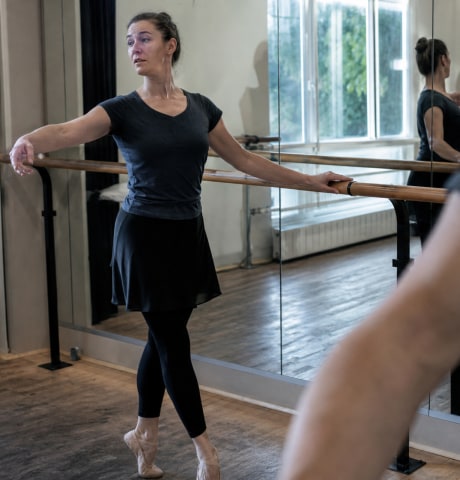
Classic posture instructions in ballet often sound technical and dry. With the power of your imagination, you awaken a completely new, elegant body sensation that straightens you up from within.

How we selected the posture images

  • Anatomical sense

    All presented images are based on proven dance pedagogical methods and Spiraldynamik.

  • Immediate implementation

    The visualizations must be immediately reproducible by adult beginners with no prior knowledge.

  • Independent selection

    No financial contributions or sponsored placements were accepted for the creation of this list.

Mental images guide the body more gently and precisely than any strained attempt to tense individual muscles in isolation.

The 5 most effective visualizations for your ballet posture

  1. 01

    The golden thread at the back of the head

    Focus on the cervical spine and shoulders

    • Alignment
    • neck length
    • relief

    Imagine a fine, golden thread attached to the back of your head, gently and continuously pulling you upwards towards the ceiling. Your chin drops slightly, making your neck wonderfully long. This image immediately takes the pressure off your shoulders and lets them flow downwards quite naturally.

  2. 02

    The radiant spotlight collarbones

    Focus on the ribcage and collarbones

    • Chest opening
    • presence
    • width

    Visualize your collarbones as two spotlights that shine a warm, wide light forward into the room. They do not shine up toward the ceiling (which would tense the back) and not downward. This image gently opens the ribcage, without you pushing your ribs unnaturally forward.

  3. 03

    The supporting cloud under your arms

    Focus on elbows and arm arches

    • Arm positioning
    • lightness
    • holding strength

    Imagine your arms are resting on a large, soft exercise ball or a floating cloud. Your elbows point slightly outward and upward, while your forearms are supported. This prevents the typical sagging of the arms and ensures the classic, rounded shape in port de bras, which you can also find in the ballet glossary for beginners.

  4. 04

    The horizontal water bowl in the pelvis

    Focus on pelvis and lower spine

    • Pelvic stability
    • center
    • balance

    Imagine your pelvis is a heavy bowl filled with water. If you arch your back, the water spills out the front, and if you tilt your pelvis too far back, it spills out the back. The goal is to keep the water perfectly still and horizontal in the bowl. This gives you a stable, neutral pelvic alignment, which is what udansa encourages.

  5. 05

    The deep roots and the growing bamboo

    Focus on feet and overall posture

    • Grounding
    • balance
    • posture

    Imagine deep, strong roots growing from the soles of your feet into the ground, while your spine reaches upward elastically like a young bamboo. The deeper the roots reach, the more lightness is created in your upper body. This image perfectly combines the necessary grounding with the feeling of weightlessness.

Why your brain thinks in images instead of muscles

Our brain prefers to control movements through holistic images instead of isolated muscle commands. If you constantly tell yourself during class that you need to tighten your gluteus maximus, activate your scapular retractors, and contract your transverse abdominal muscle, you block your natural flow of movement. The brain cramps up in pause mode when faced with purely anatomical commands.

If you use the ballet posture visualization aids instead, your nervous system immediately translates the image into the correct muscle tension. The upright posture happens effortlessly and organically. Through mental training, your body finds ballet posture and balance without you feeling wooden or stiff. These visualizations help you to anchor the proud presence of a dancer deep within your body awareness.

The power of mental imagery in numbers

seconds until the neural effect
1
focused images for getting started
5
percent more ease when dancing
100

Frequently Asked Questions

  1. Because the brain stores movements in holistic patterns, not as individual muscle contractions. A strong image automatically activates the entire muscle chain required for the desired movement, without you having to think about it.

Ballet classes for adults near you

Find the right entry point and experience how mental imagery changes your movement in a real class.

View all matching classes

Find your dance community on udansa

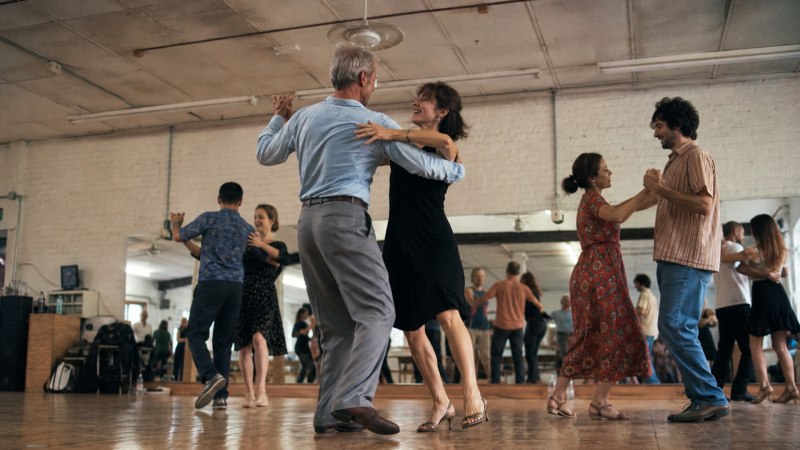
On udansa, you will find like-minded people who share your passion for dance, as well as the right courses in your area to try out your new body awareness directly on the dance floor.

Find your dance community on udansa