Ballet posture training4 minutes

Ballet posture training: trends for adults 2026

In a nutshell
  • Modern ballet posture trends for adults prioritize individual anatomy and joint protection.
  • Concepts like barre fusion and anatomical alignment combine classic exercises with sports science insights.
  • The training focuses on the deep core muscles to noticeably relieve the spine in everyday life.
  • Individual adjustments replace rigid form requirements, minimizing the risk of injury for adult beginners.

The new trends in ballet posture training prove that healthy alignment and graceful movements go together perfectly. Learn how modern methods strengthen your deep muscles and change your posture for the long term.

How modern biomechanics is revolutionizing training

The days when training at the ballet barre was defined by rigid, unhealthy requirements are over. In 2026, a profound shift has taken place that primarily benefits adult newcomers. In modern ballet posture training, individual anatomy is the focus. Instead of forcing the body into unnatural positions, contemporary concepts use biomechanical insights to align the spine, relieve joints, and specifically strengthen the deep muscles.

This trend toward so-called ballet alignment 2026 combines the aesthetic body awareness of classical dance with the principles of modern sports science. Those who start training as adults are usually not looking for a stage career, but rather a balance to a sedentary everyday life. Modern studios have responded to this and offer programs that specifically correct the most common posture mistakes in ballet beginners and simultaneously counteract chronic tension.

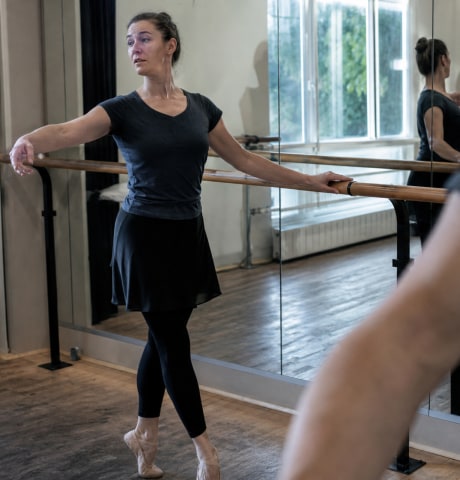
A creative ballet teacher correcting the posture of an elegant and flexible dancer in a modern dance studio
Precise alignment instead of a rigid pose: modern alignment training adapts to the individual anatomy of the body.

The most important trends in modern posture training

  • Barre fusion concepts

    This method combines the fluid elegance of ballet with the precise power of Pilates and yoga. The focus is on fluid transitions that gently increase endurance while simultaneously strengthening the deep core and pelvic muscles, without straining the joints.

    • Strength
    • flexibility
    • flow
  • Anatomical Alignment Training

    Here, the focus is on functional anatomy. Every movement is performed in such a way that the spine experiences maximum relief. Trainers use targeted tactile and verbal cues to work out the neutral pelvic alignment individually for every body.

    • Anatomy
    • precision
    • health
  • Proprioceptive training with small equipment

    This method uses elastic bands and Pilates balls at the barre to provide feedback to the muscles. As a result, dancers immediately feel whether they are standing stably or compensating. It promotes proprioception and ensures a lightning-fast improvement in balance.

    • Feedback
    • balance
    • deep muscles

From rigid form to fluid posture

The emergence of these new training forms is closely linked to the growing awareness of physical self-care. Where drill once prevailed, instructors now guide with precise anatomical imagery. Movement impulses no longer come from pure willpower, but from a deep, conscious core tension. This approach not only protects the intervertebral discs, but also ensures a noticeable lightness in everyday life.

A central aspect of the modern concept is flexibility in structure. Many exercises are now modified to adapt to the mobility of adult bones and tendons. For example, those training their balance in class use aids or adapted standing positions to protect the joints. If you want to know what your own starting point is, the ballet flexibility test for adults helps you to safely assess your joints and muscles in advance.

Modern ballet training for adults does not correct the body to force it into a shape, but uses the shape to restore the body's natural alignment.

Ballet teacher and physiotherapist, Hamburg

Healthy alignment in comparison

Correct

  • Adapt the exercises to your own joint mobility
  • Engage your core muscles specifically for strength
  • Rely on gentle corrections and aids

Wrong

  • Assuming forced positions against joint resistance
  • Forcing the movement with momentum and breath-holding
  • Ignoring pain to maintain a rigid form

Frequently Asked Questions

  1. Ballet alignment refers to the anatomically correct positioning of bones and joints during exercises. In modern training, it ensures that joints are subjected to minimal strain and muscle chains are engaged optimally.

Ballet courses for adults near you

Find the right studio for your anatomically healthy posture training.

View all suitable courses

Find your healthy body awareness

On udansa you will find modern ballet offers in your area that focus on your health, as well as like-minded people for your weekly alignment training.

Find your healthy body awareness