How free movement shapes the nervous system
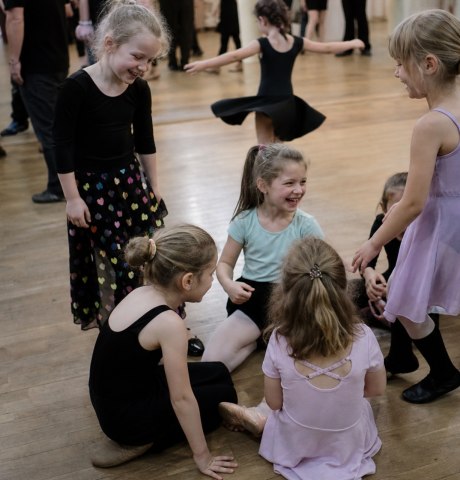
Early childhood movement development occurs in phases where the brain requires different stimuli. In the first years of life, the focus is on exploring one's own body. This is where free improvisation for children comes in: without the pressure to fulfill a specific aesthetic ideal, the little ones translate what they hear into movement. From a developmental physiological perspective, this approach is invaluable. During this phase, the brain links sensory stimuli with motor responses. When children are allowed to interpret the dynamics of music themselves, they train their self-perception, known as proprioception. They learn how much force they need for a jump or how to maintain their balance when they suddenly spin.
Rigidly imitating steps would likely hinder this urge to discover at a young age. Only when the basic motor patterns are consolidated does the transition to more structured forms make sense. Anyone who imposes rigid requirements too early risks frustration, as the fine motor skills for complex sequences are often not yet fully developed. A playful introduction that focuses on development lays the foundation for a healthy body awareness.