
Don't dance under the open sky alone
On udansa connect, you meet like-minded people who share your passion for balmy summer nights under the open sky. Find the perfect dance partner for the next open-air event in your region now.



By Mary De LucaUpdated
On udansa connect, you meet like-minded people who share your passion for balmy summer nights under the open sky. Find the perfect dance partner for the next open-air event in your region now.
Anyone providing musical support for a summery open air dance event needs to rethink things radically. Unlike in closed halls, there is no sound-reflecting wall outdoors. The bass dissipates into nothingness, while high frequencies are literally carried away by gusts of wind. An experienced DJ therefore uses tracks suitable for outdoor dance sound systems that have an extremely present, clean mid-range structure. Arrangements that are too delicate or extremely deep sub-basses are simply lost in a meadow or on a promenade. The music must remain physically tangible so that couples can easily keep the beat even at a distance of twenty meters.
Organic styles like Salsa or Bachata are particularly suitable for a successful summer dance party playlist. The percussive elements of these genres cut sharply through the ambient air and defy the acoustic pitfalls of outdoor areas. Anyone DJing here should also keep their hands off overly experimental transitions. Dancers need clear, rhythmic signals to orient themselves on the often uneven outdoor floor. A stable, clearly audible basic beat is the most important foundation for carefree dancing in the open air.
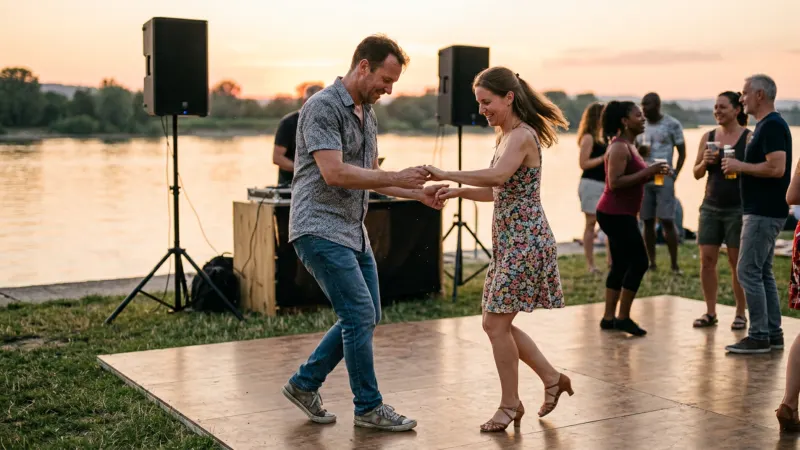
Choose songs with dominant percussion and strong mid-range frequencies. This ensures that the beat reaches the dance floor even during gusts of wind.
Place the speakers as close to the action as possible and aim them directly at the dancers. This minimizes sound loss to the surroundings.
Avoid long, atmospheric intros or extremely quiet passages. Outside, ambient noise is distracting, which is why the music needs to be present right from the start.
Mix well-known summer classics with driving rhythms to keep the energy high on the often unfamiliar floor and get people moving.
Outdoors, there are no walls to reflect the sound, which causes deep bass to dissipate and highs to be carried away by the wind. DJs must therefore choose tracks with a strong mid-range and aim the speakers specifically at the dance floor.
Salsa, Bachata, and Kizomba are excellent choices, as their percussive rhythms remain clearly audible even in the open air. Furthermore, these styles perfectly convey that typical, relaxed summer feeling.
The volume at an outdoor dance event should be punchy in the core area of the dance floor, but moderate at the edges. This leaves room for conversation and ensures the music is not perceived as disturbing noise.
Experience the unique atmosphere of open-air parties and dance under the open sky.
 festivaludansa tipBachata
 festivalSalsa
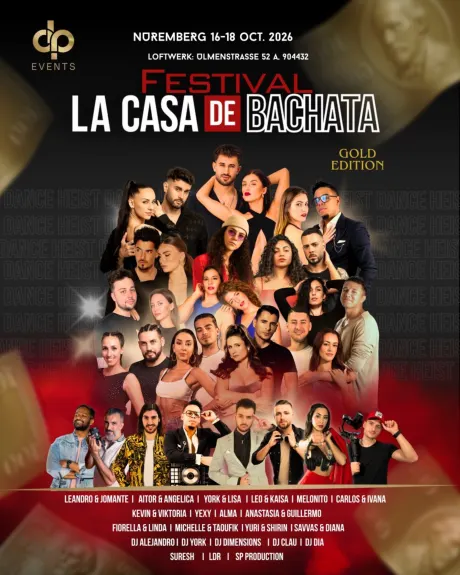 festivalBachata
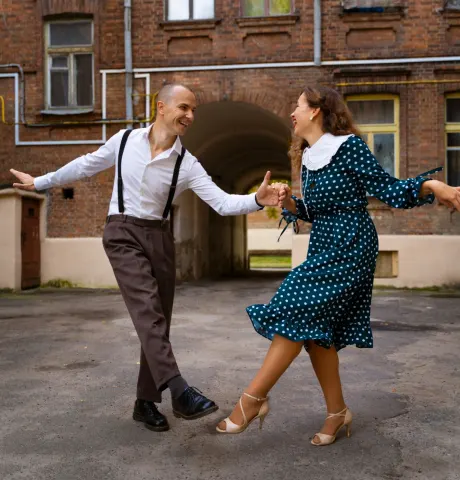 Creating a West Coast Swing playlist: The DJ guideLearn how to create the perfect playlist for your next West Coast Swing social and find the right balance between blues and pop.
 The 7 biggest Salsa DJ mistakes at dance partiesAnyone playing Salsa and Bachata needs to understand dance floor dynamics. Here are the seven most common mistakes Latin DJs make and how to avoid them.
 Managing volume at dance eventsLearn in this practical guide how to optimally manage the volume at your dance event. From speaker setup to leveling in a full room for perfect sound without ear pain.
 Dance music for events: The DJ and event guideThe right music selection determines the success of every dance event. Our guide shows DJs and organizers how to keep the dance floor full.Creating a West Coast Swing playlist: The DJ guideLearn how to create the perfect playlist for your next West Coast Swing social and find the right balance between blues and pop.Managing volume at dance eventsLearn in this practical guide how to optimally manage the volume at your dance event. From speaker setup to leveling in a full room for perfect sound without ear pain.The 7 biggest Salsa DJ mistakes at dance partiesAnyone playing Salsa and Bachata needs to understand dance floor dynamics. Here are the seven most common mistakes Latin DJs make and how to avoid them.
 Tango Milonga Music Selection: Tandas and Cortinas ComparedThe music selection at a milonga follows fascinating rules. Learn how DJs use tandas and cortinas to create the perfect flow on the dance floor.
 Wedding dance music: The DJ balancing act across generationsHow DJs master the balancing act between classic ballroom dances and modern party music at weddings. A practical guide for the perfect wedding playlist.
 The 5 best software tools for dance school DJsThe perfect music selection determines the success of a dance event. Discover the five best software tools to effortlessly manage and play your dance music with precision.