
Find your dance community on udansa
Whether you are looking for the perfect dance music for events or searching for an inspiring dance party: on udansa, DJs, organizers, instructors, and dancers connect with ease.


By Bernhard De LucaUpdated
Whether you are looking for the perfect dance music for events or searching for an inspiring dance party: on udansa, DJs, organizers, instructors, and dancers connect with ease.
The success of a dance party rises and falls with the sound. Learn how you as a DJ or organizer can make the dance floor heat up and what really matters when it comes to music selection.
Mixing social dance music refers to the seamless transition between dance tracks while maintaining the rhythmic tempo, so as not to interrupt the flow of the couples dancing.
Choosing the right dance music for events differs fundamentally from creating a private streaming playlist. While we often follow emotional moods or personal preferences when listening to music privately, the music at a dance event must function as a reliable engine for movement. A successful mix takes into account the rhythmic structure, the tempo, and the danceability of the tracks. Each genre has specific requirements regarding the beat and phrasing, which make it easier for dancers to orient themselves on the floor.
Successful DJs and organizers know that they control the dynamic of the entire evening with their music selection. It is not about presenting your own musical taste, but about creating an inviting atmosphere that appeals to both beginners and experienced dancers. If you want to dive deeper into the rhythmic foundations, it is worth taking a look at our guide on dance music: rhythms, genres & music selection in focus.
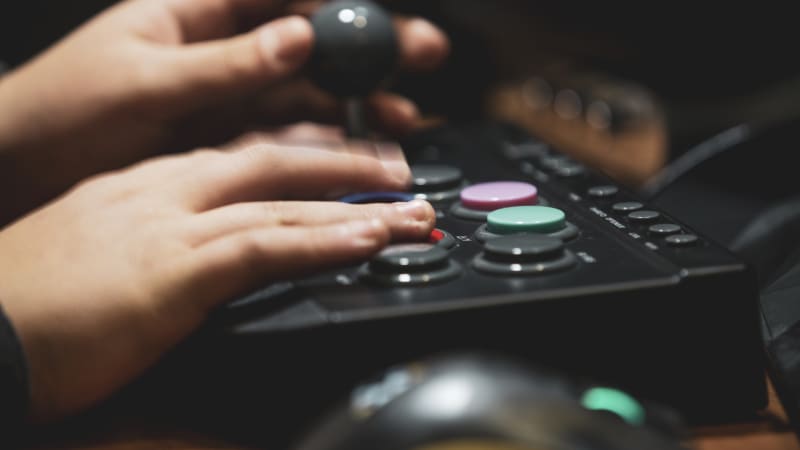
Especially at private celebrations, the DJ faces a demanding task: a well-thought-out sequence of wedding dance music must manage the balancing act between different generations and dance styles. The evening classically begins with a festive opening dance, followed by traditional ballroom dances to engage the older generation. As the evening progresses, the focus usually shifts towards more modern rhythms like Discofox, Salsa, or current club hits.
To keep the dance floor consistently full, it is recommended to play songs in cohesive groups of three or four of the same style. This gives couples the opportunity to adjust to a rhythm and not leave the floor immediately after one song. Anyone organizing such a dance party should make the transitions fluid, yet rhythmically clear, so as not to interrupt the flow of movement.
Correct
Wrong
Music is the invitation to the dance floor. Only when the beat is clearly understandable do dancers feel secure and inspired.
Beyond the artistic design, playing dance music also requires technical and legal know-how. Anyone playing music professionally or in a dance school must necessarily deal with the topic of a GEMA music license for dance schools. Every public performance of copyrighted music is subject to registration in Germany. Organizers must calculate the corresponding tariffs in advance to avoid legal pitfalls and additional payments.
The technical setup also plays a decisive role. High-quality equipment for playing dance music guarantees a clear, punchy sound that makes the beat physically perceptible even in the back rows of the dance floor. A clean frequency response without distorting highs ensures that dancers do not tire even after several hours and can enjoy the dance night in a relaxed manner.
Focus on movement and danceability
Focuses entirely on the precise rhythmic structure, the danceability of the tracks, and the perfect flow for couples on the dance floor.
Focus on atmosphere and hits
Rely on well-known party classics, emotional sing-along anthems, and a broad mix for all generations, often independent of fixed dance steps.
For a balanced dance party, sets of three to four songs of the same dance style are ideal. This gives dancers enough time to adjust to the rhythm without getting bored.
Beginner-friendly dance music is characterized by a very clearly emphasized basic beat and a moderate, not too fast tempo. Avoid complex syncopations or rhythm changes at the beginning.
Yes, every public performance of music at events must be registered with GEMA. The fees are usually based on the size of the room and the type of event.
Find the best events to live out your love for dance music live.
 festivaludansa-TippBachata
 festivalSalsa
 festivalSalsa
 Dance Music: Rhythms, Genres & Music SelectionDance music has moved us for thousands of years. Learn everything about rhythms, genres, and how to use music for your steps.
 Dance partners for dance nights & partiesFancy a dance night but no partner in sight? Find your perfect match quickly and safely with udansa connect.
 Creating a West Coast Swing playlist: The DJ guideLearn how to create the perfect playlist for your next West Coast Swing social and find the right balance between blues and pop.
 Managing volume at dance eventsLearn in this practical guide how to optimally manage the volume at your dance event. From speaker setup to leveling in a full room for perfect sound without ear pain.
 The 7 biggest Salsa DJ mistakes at dance partiesAnyone playing Salsa and Bachata needs to understand dance floor dynamics. Here are the seven most common mistakes Latin DJs make and how to avoid them.
 Tango Milonga Music Selection: Tandas and Cortinas ComparedThe music selection at a milonga follows fascinating rules. Learn how DJs use tandas and cortinas to create the perfect flow on the dance floor.
 Wedding dance music: The DJ balancing act across generationsHow DJs master the balancing act between classic ballroom dances and modern party music at weddings. A practical guide for the perfect wedding playlist.
 The 5 best software tools for dance school DJsThe perfect music selection determines the success of a dance event. Discover the five best software tools to effortlessly manage and play your dance music with precision.
 Mastering the energy arc at your dance partyLearn how to master the energy arc of a three-hour social dance party as a DJ. With this guide, you will perfectly control the mood on the dance floor.
 Dance Music DJ Type Test: Planner or Improviser?Are you a structured playlist planner or a spontaneous mood-maker behind the decks? Take our self-test and discover your personal DJ style for dance events.
 Mastering dance music transitions for DJsSeamless transitions are essential for a full dance floor. This guide shows you how to create the perfect musical flow.
 Social dance music trends: hits on the floorSocial dance music is becoming more modern than ever. Learn how pop covers and current hits are taking over ballroom and Latin dance floors in 2026.
 BPM Guide for Dance DJs: Mastering TempoThe success of a dance party depends on the right tempo. This guide explains how DJs use BPM values to perfectly organize dance styles.
 Handling song requests at dance parties: The DJ guideSong requests can enrich a dance party or completely ruin the flow. With these tips, you can harmoniously integrate guest tracks into your DJ set.
 Open-Air Dance Event Music: Sound & PlaylistsDancing under the open sky is the dream of every summer night. However, outdoor acoustics present DJs with major challenges, here is how to achieve the perfect sound.