Culture and history5 minutes

Bachata Urban vs. Traditional: The cultural comparison

By Bernhard De LucaUpdated

In a nutshell
  • Traditional Bachata originated in the rural regions of the Dominican Republic and reflects an earthy, familiar attitude to life.
  • Urban Bachata developed in Western cities through the fusion with modern musical styles and club cultures.
  • While the traditional style is deeply rooted in everyday life, the urban style functions as a global, structured dance school phenomenon.

Behind every dance style lies its own world. Discover how the journey from the rural pubs of the Caribbean to the modern clubs of global metropolises has changed Bachata forever.

DefinitionStreet Bachata

Street Bachata refers to an informal, urban style of dance that developed outside of traditional dance schools, directly on the streets and in the clubs of major cities. It combines traditional Caribbean movements with influences from modern street dance cultures.

From the rural bars of the Dominican Republic

To understand the difference between traditional Bachata and the urban variant, it helps to take a look at the map and the history books. The traditional style, often referred to as Bachata Dominicana, has its roots in the rural regions and working-class neighborhoods of the Dominican Republic. Emerging in the 1960s, this music was long frowned upon as music of the lower class. The songs reflected the harsh everyday life, heartbreak, and social grievances, which is why they were also known as música de amargue, music of bitterness. People danced in simple bars, on dusty streets, or in backyards.

This social context deeply shaped the dance style. People did not dance for a stage or an audience, but for themselves and the community. The movements were earthy, closely connected to the ground, and characterized by a playful spontaneity. If you want to dive deeper into these fascinating roots, you will find exciting insights into the journey from a banned dance to a global phenomenon in the article about the history of Bachata.

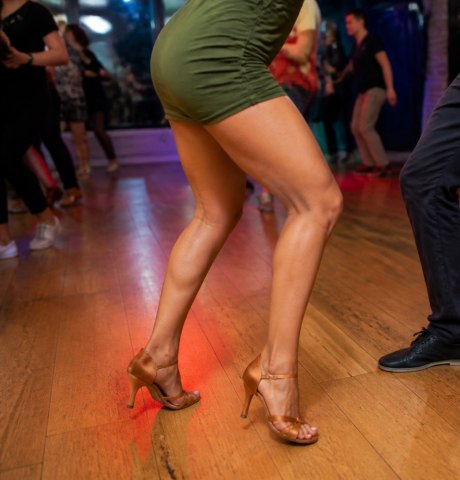
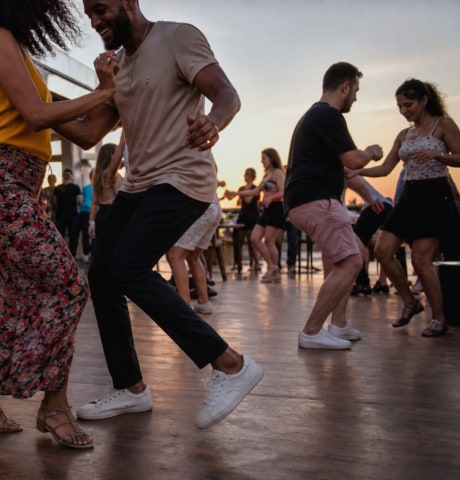
From the dusty dance floors of the Caribbean to the smooth parquet of big-city clubs: today, Bachata connects generations and cultures worldwide.

The leap into the world's metropolises

When Bachata gained a foothold in global metropolises in the late 1990s and early 2000s, it changed not only the music but also the attitude on the dance floor. In the clubs of New York, Madrid, and London, Dominican music met urban subcultures, modern pop, and other dance styles like Hip-Hop, Salsa, and even contemporary dance. From this melting pot, Street Bachata emerged, and eventually the urban Bachata style, which shifted the focus away from traditional footwork toward fluid movements, turns, and a changed posture.

The urban space demanded a different presentation. While the traditional style worked in tight spaces in pubs, the urban style sought the big stage of club dance floors. The modern Bachata influence brought smoother floors, spotlights, and internationalized music production. The songs became softer, often with English lyrics or elements of R-and-B, which made the dance accessible to a broad audience worldwide and firmly anchored it in global pop culture.

Respectful interaction with both worlds

Correct

  • Respect the cultural roots and the social context
  • Embrace spontaneity and the moment
  • See the diversity of global influences as an enrichment

Myth

  • Viewing the traditional style as outdated or incomplete
  • Prioritizing choreography over the feeling for the music
  • Believing there is only one right way to dance

Traditional Bachata is not a dance you learn in a studio, it is a feeling you soak up on the streets from childhood.

Dance historian, Santo Domingo

Two worlds of social connection

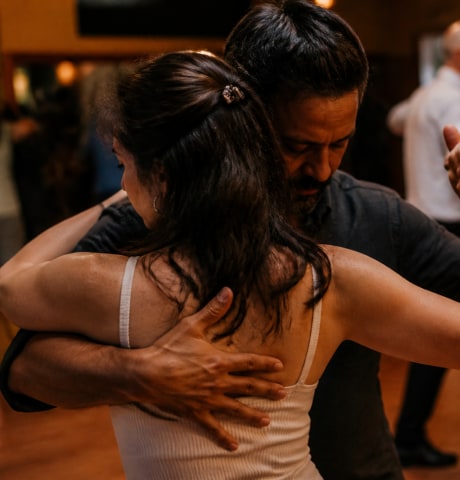
Arguably the biggest difference between the city and the countryside lies in the social function of dance. In Dominican culture, Bachata is an integral part of everyday life. People dance while cooking, when meeting neighbors on the street, or at family celebrations. It is about experiencing things together, sharing emotions, and pure joy of life. Here, dance is a natural channel of communication that functions without fixed rules or choreographies and is passed on organically from generation to generation.

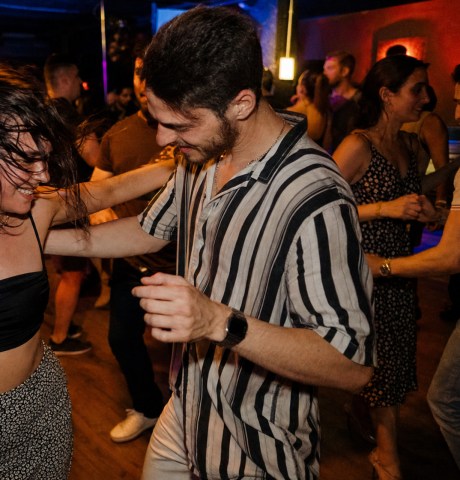
In the urban context of Western dance schools and clubs, Bachata has developed into a structured hobby and a global community. Here, people learn the dance in organized courses, dance at international festivals, and often use dance as a conscious balance to a stressful everyday life. The connection between the dancers is based on learned techniques and a shared passion for the music, regardless of their background. Both worlds have their own beauty: one captivates with its deep cultural roots, the other with its connecting, global energy.

Two facets of a worldwide phenomenon

Traditional

Down-to-earth and communal

The heart of the Dominican Republic

Deeply rooted in everyday Dominican life. People dance in the street, in the backyard, or at the local bar, driven by spontaneity, community, and a close connection to the ground.

Urban

Modern and stage-ready

The energy of global metropolises

Shaped by the dynamics of the big city. Danced at international congresses and in modern clubs, influenced by global music trends and a structured dance scene.

Frequently Asked Questions

  1. Traditional Bachata has its origins in the Dominican Republic, where it emerged in rural regions and working-class neighborhoods starting in the 1960s. It was closely linked to local everyday life and the folk music of that time.

Bachata courses near you

Find the right course and dive into the world of Bachata.

View all matching courses

Find your dance community

On udansa connect, you will find like-minded people who share your passion: It does not matter if you love the earthy energy of the traditional style or want to try out the urban club style.

Find your dance community