Injury prevention4 minutes

Avoiding breakdance injuries: 7 tips for healthy training

In short
  • A thorough, dance-specific warm-up increases muscle elasticity and prepares the joints for extreme strain.
  • Targeted protection of the wrists through bandages and correct support techniques prevents painful strain during freezes and handstands.
  • Regular strength training and mobility exercises stabilize the entire musculoskeletal system and drastically reduce the risk of acute injuries.
  • Sufficient recovery phases and immediately paying attention to the body's warning signals prevent the transition from minor irritation to chronic damage.

When you push your limits in breaking, you demand peak performance from your body. With the right preventive measures, you ensure that your joints can withstand the heavy strain of training in the long term.

How the injury prevention tips were selected

  • Sports science foundation

    All recommended measures are based on sports science findings regarding prevention in dance sports.

  • Practical feasibility

    You can implement these tips directly in every training session without expensive special equipment.

  • Independence

    The selection of methods is independent and free from paid product placements or sponsorship.

The 7 best tips for injury prevention in Breaking

  1. 01

    Thorough and specific warm-up

    Before every training session, 15 minutes, focus on major joints

    • Prevention
    • preparation

    A dynamic warm-up routine gets your circulation going, increases muscle elasticity, and prepares your synovial fluid for the upcoming strain. Anyone who starts power moves cold risks immediate strains.

  2. 02

    Building active hand tension

    For all support elements, immediately applicable, high priority

    • Technique
    • protecting wrists breaking

    When supporting in a handstand or during freezes, beginners tend to shift their weight only onto the palms. Spread your fingers wide and actively press your fingertips into the floor to relieve pressure on the wrist. The targeted training from our guide on <a href="/tanz-ratgeber/akrobatik-im-tanz/acro-dance-grundlagen-bodenelemente/handstand-lernen-erwachsene">learning handstands for adults</a> is also helpful here.

  3. 03

    Targeted strength training for supporting muscles

    Supplementary training, twice a week, moderate effort

    • Muscle building
    • stabilization

    Supplement your dance training with targeted strengthening exercises for the stabilizing deep muscles. The rotator cuff in the shoulder and the forearms in particular require extra attention to withstand the forces during turns. You can find tips for targeted muscle building in the guide Strength training for breakdance.

  4. 04

    Using protectors and bandages

    For learning new moves, flexibly applicable, preventative

    • Protective gear
    • joint protection

    Protect your joints from hard impacts on the dance floor with elastic bandages, knee pads, or elbow pads. Especially when learning new moves, they offer mechanical protection against bruising and absorb peak loads.

  5. 05

    Clean technique over difficulty level

    In every session, lasting control, high relevance

    • Movement quality
    • technique

    Injuries often occur due to the ambition to force difficult power moves before the basics are mastered. Focus on a clean execution of your toprocks and footworks to create a solid foundation for your movement. A clean <a href="/tanz-ratgeber/breaking-tanzen-lernen/basics-und-grundschritte/indian-step-lernen">Indian Step</a> trains coordination and protects the knees.

  6. 06

    Maintain sensible recovery times

    After training, 24 to 48 hours, essential

    • Recovery
    • rest

    Muscles and joints adapt only slowly to extreme strain. Give your body at least 48 hours of recovery time after intense sessions. During this phase, the body repairs micro-tears in the tissue and strengthens the structures for the next training session.

  7. 07

    Listen to your body's warning signals

    Permanent, immediate implementation, essential

    • Body awareness
    • mindfulness

    Pain is your body's warning signal, indicating that you are at risk of overexertion. Do not ignore pulling pains in your wrist or knee, but adjust your training immediately or take a break before a small irritation turns into chronic inflammation.

How smart training protects your joints in the long term

Breaking demands everything from your body. Powermoves, freezes, and fast footwork put stress on tendons, muscles, and bones in a way that hardly occurs in everyday life. If you want to dance pain-free in the long term, you have to approach your training strategically. The most important foundation is a structured warm-up program that stimulates blood circulation and activates synovial fluid. If you want to know what such a program looks like in detail, our guide on the Breakdance warm-up routine will help you.

In addition to warming up, targeted strength building plays a decisive role. Muscles function like shock absorbers for your joints. If the necessary support strength is missing, passive structures like ligaments and cartilage have to absorb the hard landings. A balanced mix of bodyweight exercises and stretching phases protects you from overuse. In addition, you should equip yourself with the right gear to further relieve your body. You can find out which items should not be missing from your bag in our guide on the optimal Breakdance equipment.

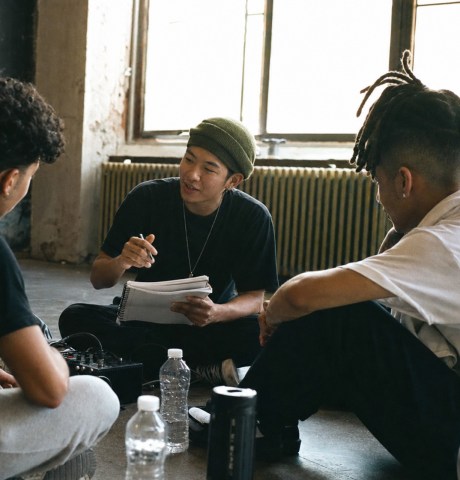
Facts and figures for healthy breaking training

recommended warm-up time before training
15 min
Recovery time after intense sessions
48 h
Focus points for joint protection
7

Frequently Asked Questions

  1. The best way to protect your wrists while breaking is through proper support technique, where the weight is distributed across the entire hand. Additionally, elastic wrist wraps and targeted forearm strength training help stabilize the joints during freezes.

Breaking classes near you

Find the right dance school on udansa and learn the correct technique from experienced instructors.

View all matching classes

It is safer to dance together

On udansa you will find like-minded people who share your passion and with whom you can exchange ideas in safe, joint sessions. Find your crew now and train together on equal terms.

It is safer to dance together