
Find your dance partner on udansa
At udansa, you will find dance enthusiasts who share the same values and are looking for a reliable partnership on equal terms. Sign up and start your search for the perfect match for the dance floor.


By Bernhard De LucaUpdated
At udansa, you will find dance enthusiasts who share the same values and are looking for a reliable partnership on equal terms. Sign up and start your search for the perfect match for the dance floor.
Anyone who trains together every week shares more than just steps. Respectful interaction determines whether the partnership on the dance floor brings you closer together or ends in frustration.
Field-tested etiquette
The rules are based on the experience of long-time partner dance specialists.
Independent criteria
No paid placements were made for this list.
Focus on sustainability
The code of conduct aims for long-term, harmonious cooperation.
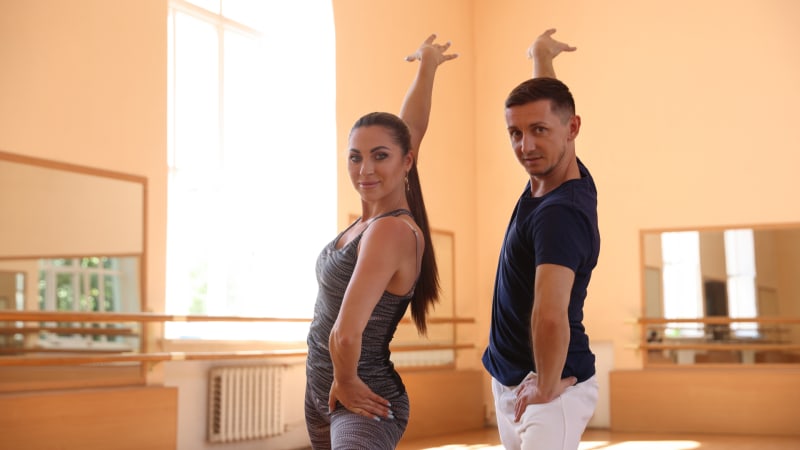
Rule number 1, everyday training
Reliability is the foundation of every dance partnership. If you make an appointment, you keep it and only cancel in an absolute emergency with plenty of notice.
Before training, time management
Punctuality in dance classes ensures a stress-free start. Warming up together prevents injuries and shows appreciation for each other's time.
During dancing, verbal interaction
Criticism should be formulated constructively and only using I-statements. Unsolicited advice on the dance floor violates the respect inherent in dancing.
Personal grooming, clothing
Physical closeness requires a high level of personal hygiene. Fresh breath, clean clothes, and subtle deodorant are an absolute must.
Troubleshooting, conflict resolution
Mistakes happen to both sides. Treating each other with respect means analyzing mistakes together instead of blaming your partner.
Future plans, training intensity
Discuss your goals clearly in advance. Only if both share the same ambitions will the partnership remain harmonious and free of frustration in the long run.
After training, feedback
An honest thank you after a strenuous training session strengthens the bond and shows that the time spent together is appreciated.
A fixed dance partnership differs fundamentally from fleeting encounters at a social dance party. When you decide to sweat week after week with the same person in a dance class or at club training, you are entering into a social commitment. This is no longer just about adhering to classic dance floor etiquette, but about building trust over the long term. Without mutual respect while dancing and reliable agreements, even the most beautiful hobby quickly loses its appeal.
The most common reason for fixed dance couples to split up is not a lack of talent, but the tone used during training. Anyone who looks for faults in their partner and offers unsolicited corrections destroys motivation. Successful couples agree on fixed feedback rules and address frustrations objectively instead of blaming their partner for failed figures. If you would like to know how to best organize your first meeting after making initial contact, our guide on arranging a trial dance will help you.
Punctuality in a dance class shows respect for your partner's and the instructor's time. Arriving late means you miss the warm-up and disrupt the flow of the entire class.
Never criticize your dance partner unasked or in front of other couples. Use 'I' statements like "I had trouble holding the turn just now" instead of "You led me incorrectly".
A fixed dance partnership requires reliability, regular training, and the willingness to adapt to one another. In social dance, on the other hand, you dance casually with changing partners.
Sign up for udansa and discover suitable courses for you and your dance partner.
Couple danceLimbach-Oberfrohna · Germany
PaartanzkreisFriday · 18:15 · Oct 23
Limbach-Oberfrohna
Couple danceLimbach-Oberfrohna · Germany
Silberkurs für PaareSunday · 16:15 · Oct 25 - Nov 15
Limbach-Oberfrohna
Couple danceLimbach-Oberfrohna · Germany
PaartanzkreisSunday · 16:30 · Oct 25
Limbach-Oberfrohna
 Messaging a dance partner: Templates and psychological tipsThe first step to a new dance partnership starts with the right message. Learn how to connect successfully using psychological insight and effective templates.
 Dance partners with an age gap: Does it work on the dance floor?Does dancing with a large age gap work? This guide explores the psychology behind it and shows you how to successfully bridge generational differences on the dance floor.
 Organizing dance practice: The tools couples use todayDigital tools are revolutionizing coordination and organization in dance. Learn how to make your training more efficient with modern helpers.
 Which dance partner is right for me? Our self-testFind out with our self-test what you expect from a dance partnership and which personality type best suits you on the dance floor.
 Looking for a dance partner: profile text templatesWith a great template, you can make your profile on udansa appealing in no time and quickly find the perfect partner for the dance floor.
 The 7 biggest mistakes when looking for a dance partnerThe search for the perfect dance partner often fails before you even step onto the dance floor. Avoid these seven common communication mistakes for a successful search.
 Overcoming fear of rejection when finding a dance partnerThe fear of rejection stops many from finding the perfect dance partner. This psychological guide shows you how to shed insecurities and approach others with newfound confidence.