

Find your rhythm with udansa
Discover great dance courses in your area and find like-minded people who share your passion for rhythm and movement.


Discover great dance courses in your area and find like-minded people who share your passion for rhythm and movement.
The music in the dance studio determines your energy. Find out how the Latin American beats of Zumba and the chart-oriented sounds of Jazzercise shape your training experience in completely different ways.
Polyrhythms refer to the simultaneous sounding of several different rhythms in a piece of music. In Zumba, this structure creates the typical dynamic that encourages the body to perform versatile isolation movements.
Anyone entering a fitness studio where dancing is taking place for the first time usually hears immediately which concept is being taught here. The music is the heartbeat of every dance workout and determines not only the mood, but also the entire movement dynamic. When comparing Zumba and Jazzercise music, it quickly becomes clear that both formats use completely different acoustic worlds to drive the participants. While one program relies on a solid foundation of Latin American and global sounds, the other shamelessly makes use of current pop charts and music history.
The Zumba music is characterized by an enormous rhythmic variety that goes straight to your legs. Syncopations, driving drums, and traditional instruments layered with modern beats dominate here. In contrast, the typical Jazzercise rhythms focus on the straightforward structure of the classic four-four time, as you know it from the radio. This difference in sound design shapes the entire atmosphere in the studio and determines whether the workout feels more like a lively beach party or an energetic stage show.
The musical DNA of Zumba is based on a clear concept: at least 70 percent of the songs in a class must consist of Latin or international rhythms. The typical sound is shaped by styles such as Salsa, Merengue, Cumbia and Reggaeton. This variety ensures constant changes in tempo throughout the class. Anyone who wants to learn Zumba steps will quickly notice that the movements emerge directly from the music. A fast Merengue step requires completely different footwork than an earthy, hip-focused Cumbia rhythm.
In direct contrast to this are the Jazzercise rhythms. Jazzercise was founded in the late 1960s and has its musical roots in jazz, but it has developed continuously. Today, a mix of current top 40 hits, Dance-Pop, Hip-Hop and rock classics dominates the training. The songs are usually extremely catchy and invite you to sing along. The rhythmic structure is usually more straightforward and even compared to Zumba, which allows for a very precise, aerobic choreography that is strongly based on classic dance and gymnastics movements.
Zumba sound
Jazzercise sound
Music is not just background noise, it dictates every single step and determines how intensely we move in the end.
A decisive difference lies in the way the music for the courses is prepared and licensed. Zumba instructors use their own global network to obtain exclusive tracks that have been specially produced or remixed for the workout. These songs are structured exactly to support the typical interval character of the training. Fast phases alternate organically with calmer passages, without the flow being lost.
Jazzercise, on the other hand, relies on well-known originals. The playlists consist of the exact versions of the songs that also play on the radio, or of club remixes specifically licensed for the fitness sector. Anyone looking for a varied Zumba will be fascinated by the complex polyrhythms, while fans of Jazzercise appreciate the familiarity of the well-known melodies. In the end, personal musical taste determines which beat releases the greatest motivation for the weekly workout.
Focus on Caribbean joie de vivre
The music consists of exotic drums, brass instruments, and off-beat rhythms. The movements flow freely and emphasize the hips and upper body, which creates a fiery party feeling.
Modern beats and well-known classics
Catchy synthesizers, driving basslines, and familiar vocal tracks from the radio dominate the workout. The movements are straightforward, athletic, and precisely matched to the beat.
Zumba mainly uses Latin American styles like Salsa, Merengue, Cumbia, and Reggaeton, complemented by international rhythms such as Afrobeat, Soca, or Bollywood sounds. The mix creates a varied interval feeling.
Jazzercise relies on a colorful mix of current pop charts, dance-pop, Hip-Hop, funk, and rock classics. The songs are usually very well-known and invite participants to sing along and move.
Zumba music is often rhythmically more complex with many syncopations and off-beats, which leads to fluid, dance-like movements. Jazzercise usually uses straightforward four-four time signatures, which are ideal for precise, athletic aerobic steps.
Sign up and experience the infectious rhythms live in the studio.
ZumbaLimbach-Oberfrohna
ZUMBA® Fitness Clubrunning since Aug 18
Limbach-Oberfrohna
 Which Zumba rhythm suits you? The music quizFind out which music style best fits your training goals with our Zumba rhythm quiz. Take the test and get moving!
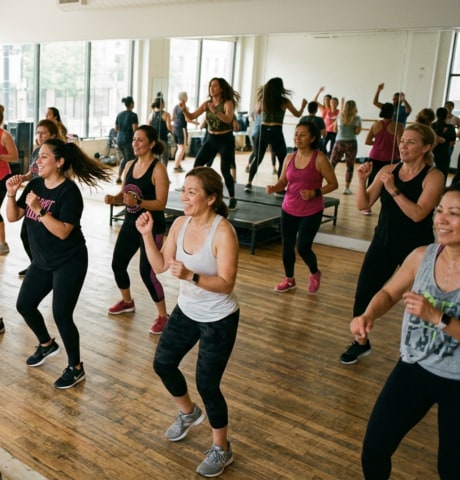 Zumba Music: The rhythms behind the workoutZumba music is much more than just a fast beat. Learn how different Latin American rhythms drive your workout and boost your fat burning.
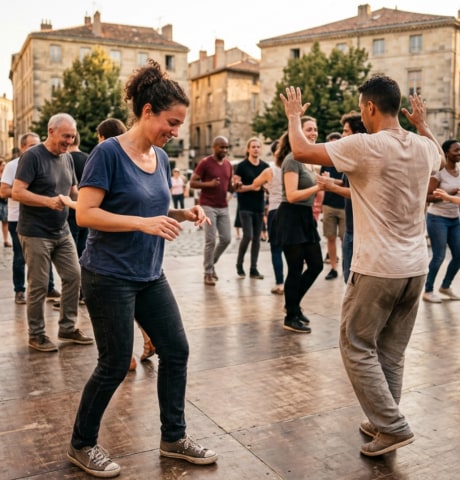 Learn Zumba steps: The 4 essential basics for beginnersGetting started is easy: With our simple guide, you will learn the four most important Zumba basic steps in no time and be perfectly prepared for your first workout.Zumba Music: The rhythms behind the workoutZumba music is much more than just a fast beat. Learn how different Latin American rhythms drive your workout and boost your fat burning.Which Zumba rhythm suits you? The music quizFind out which music style best fits your training goals with our Zumba rhythm quiz. Take the test and get moving!
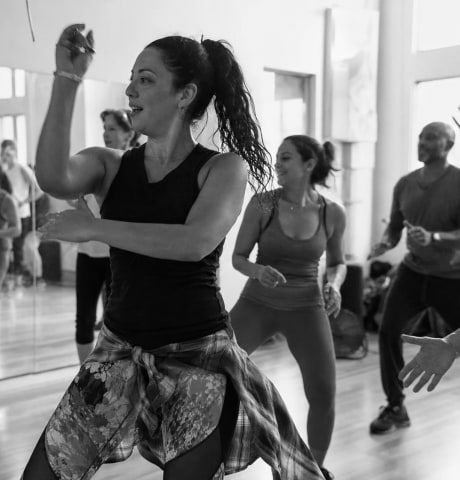 The 10 Best Zumba Songs: Classics for Your WorkoutAre you looking for the ultimate Zumba classics for your next workout? We present the ten most legendary songs that should not be missing from any class.
 Zumba Music Trends 2026: The Latest Beats for Your ClassMusic in Zumba classes is evolving rapidly. Discover the most exciting sound trends for 2026 and how they can enrich your workout.
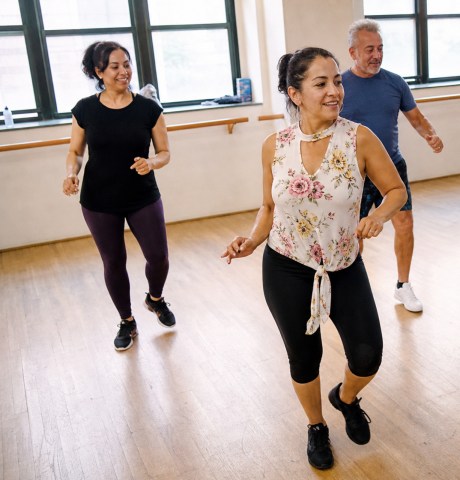 Zumba Cumbia: Understanding the Colombian rhythmDiscover the fascinating world of Cumbia in Zumba. This guide shows you how to understand the Colombian beat and master the signature steps with ease.
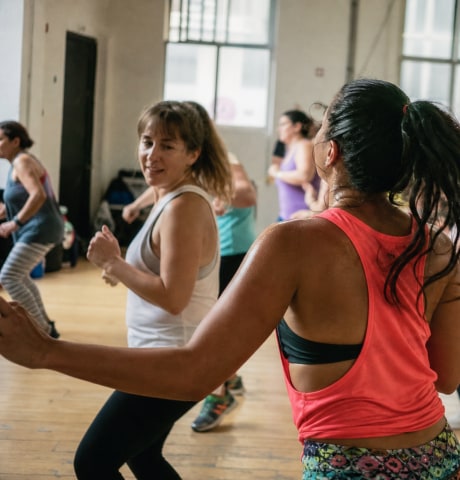 Zumba Reggaeton: Urban beats for maximum energyDiscover the untamed power of Reggaeton beats in Zumba. Learn how the distinctive dembow rhythm takes your fitness to a new level.
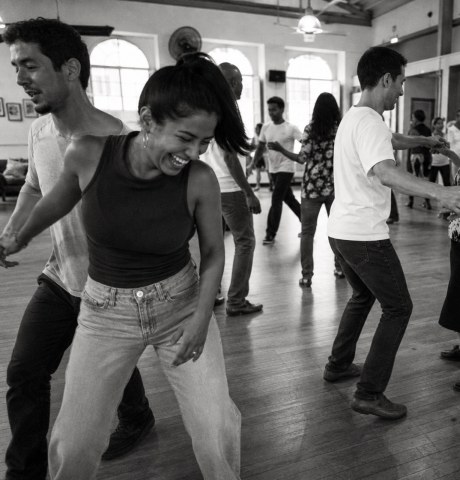 Zumba Merengue: Master the fast beat with easeLearn how to instantly identify the fast Merengue beat in your Zumba class and perfectly synchronize your steps with the music.