Find your place together in Rome
On udansa, you can find dance connections in Rome and arrange to meet in person for the first time. That can grow into a circle where you can find a sense of belonging even off the dance floor.

By Mary De LucaUpdated
On udansa, you can find dance connections in Rome and arrange to meet in person for the first time. That can grow into a circle where you can find a sense of belonging even off the dance floor.
After a move, you may miss having someone to share a little story from your day with. Dancing gives you a shared reason to meet, and familiar conversations can grow from there.
A good dance only means, at first, that you enjoyed spending that moment together. In partner dances, attentiveness, closeness and eye contact are part of the movement. You can't infer friendship or a private invitation from that. Familiarity tends to grow through small encounters that happen again and again. You remember a name, pick up a conversation where you left off and are recognized the next time.
For your everyday life in Rome, it therefore helps to have a regular setting you can actually get to. A class offers opportunities to talk through shared exercises; at an open dance night, contacts are more likely to form between dances. The page on dance classes in Rome explains the differences. Read about how social dancing differs from joining in together at going dancing in Rome.
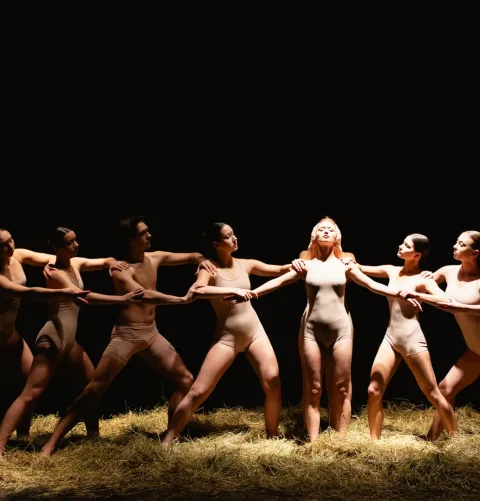
Your circle of acquaintances doesn't have to stay exclusively on the dance floor. In June and July 2026, Caracalla Danza combined guided dance tours of the grounds at the Baths of Caracalla with stage performances. These different ways of experiencing dance give people with varied interests something to talk about. The page about dance performances in Rome puts this perspective into context. A shared cultural outing might work later on, without everyone having to learn the same style. To start, though, a brief conversation after dancing is enough.
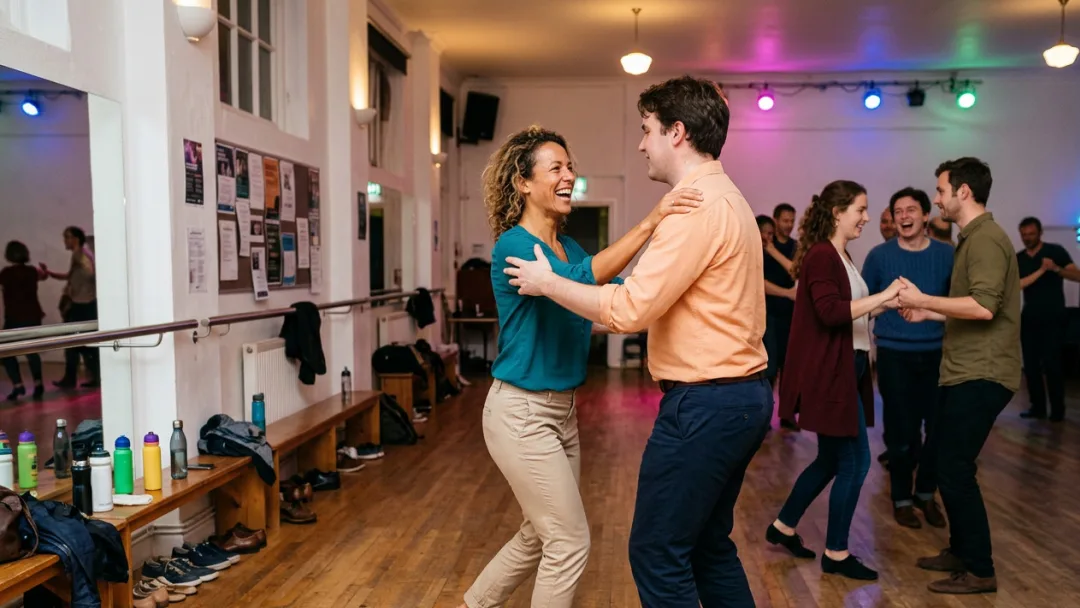
First, choose a course or dance format that suits your skill level and daily routine. Plan to attend regularly instead of trying something new each time: that way, the same people have a chance to recognize you.
Use udansa as a first way to connect with people who also want to dance in Rome, and turn that connection into an opportunity to dance together. See this meeting as an introduction to a community, not as a promise of a lasting partnership.
Greet other participants too and take part in the partner changes provided. At a social dance, you can invite someone to dance; accept a no without discussion. After the song, thank them and leave room for further connections.
Next time you see them, pick up on something specific, such as the turn you practiced together or a song they mentioned. Say your name again if they haven’t remembered it yet. Picking up the conversation shows interest without requiring either of you to share anything personal right away.
After dancing, invite two or three people you know to sit together for a little while. Keep the invitation low-key and voluntary. When several people get talking, a connection forms that doesn't depend solely on you carrying every conversation.
As you say goodbye, suggest a next dance event together once your own plans are set. Exchange contact details only if you're both interested. A specific event makes it easier to follow up than a noncommittal “We should do something sometime.”
Later on, also pick up on interests beyond dancing and occasionally invite several acquaintances to join you. Let others make suggestions and introduce people to one another. You'll recognize progress when greetings, messages, and invitations no longer come exclusively from you.
On udansa, you’ll find current classes and events in Rome, so you can bring personal connections into your everyday life.
Yes, like that
Not like this
Preparation
Contact
Connection
Yes, you can make your first dance connections on your own. In a solo group class, everyone moves independently; in partner dance formats with partner changes, you meet different people. At social dances, conversations tend to happen on the sidelines. So you don’t need to bring someone along to build a circle of acquaintances.
No, you don’t need advanced dance technique to make personal connections. However, choosing a setting that matches your skill level can help you avoid feeling constantly overwhelmed. Learning together offers small ways to start a conversation: a missed cue, a successful repeat, or a favorite song. Avoid giving corrections unless someone asks for them.
There’s no set amount of time. Some acquaintances remain people you dance with, while others grow closer through repeated conversations and shared experiences. Focus less on how many times you’ve visited and more on whether the connection is mutual: Does someone remember you, pick up the conversation again, and reach out on their own?
Start with one person during a relaxed moment instead of trying to join a group conversation already in progress. A brief introduction before an exercise or after a dance works well. Partner changes give you more chances to meet people without interrupting an existing group. The fact that other people know each other doesn’t mean they’re rejecting you.
Yes, group solo classes can also help you make personal connections. Everyone works on the same sequence of movements and shares similar learning moments, without partnering up. Breaks and the end of class are good times to chat. What matters is that you want to participate and come back, not whether the dance involves a partner hold.
Try taking a smaller step the next time you visit instead of trying to connect with a whole group at once. A brief conversation with someone you recognize is already progress. If you repeatedly can’t connect with anyone or your boundaries aren’t respected, you can choose a different setting. You don’t have to earn a sense of belonging by constantly adapting.